Billie Eilish and The Stolen Land – From the illusion of ‘Mine’ to the truth of Belonging

Image Credit: crommelincklars, CC-BY-2.0
On Belonging, Theft, and the Illusion of Possession
When Billie Eilish said at the Grammys 2026 that “no one is illegal on stolen land,” she touched a nerve. Applause followed. Then backlash. Trolls pointed at her wealth, her mansion, her privilege. A Native American spokesperson of the Tongva tribe replied that her property itself stands on ancestral land belonging to them.
The whole exchange reveals something deeper than alleged celebrity hypocrisy or political positioning.
It reveals how deeply the idea of ownership of land has colonized the human mind.
Because beneath all sides of the argument lies the same unquestioned assumption:
That land can belong to someone.
The concept that land can be taken from one set of hands and placed into another, that the earth is a commodity rather than a living system, feels so normal that questioning it almost sounds absurd.
The Inherited Myth of Possession
Across most of the modern world, ownership is the default lens through which we see reality.
You own a house. You own land. You own borders. You own resources.
Even when we speak of historical injustice, we usually do it within this same framework.
“This land was stolen from X and given to Y.”
As if land were an object that could be taken from one set of hands and placed into another.
As if the earth were a commodity rather than a living system.
This concept feels so normal that questioning it almost sounds absurd.
But historically, it is anything but universal.
Many indigenous cultures did not relate to land as property. They related to it as relationship.
The land was not something you owned. It was something you belonged to.
Like a river you cared for. Like a forest that fed you. Like a mountain that held stories.
The modern idea of land ownership emerged largely through agricultural expansion, state power, legal systems, and later capitalism.
It required fences. Deeds. Maps. Borders. Enforcement.
And eventually violence.
Not because humans suddenly became cruel.
But because turning earth into property requires force.
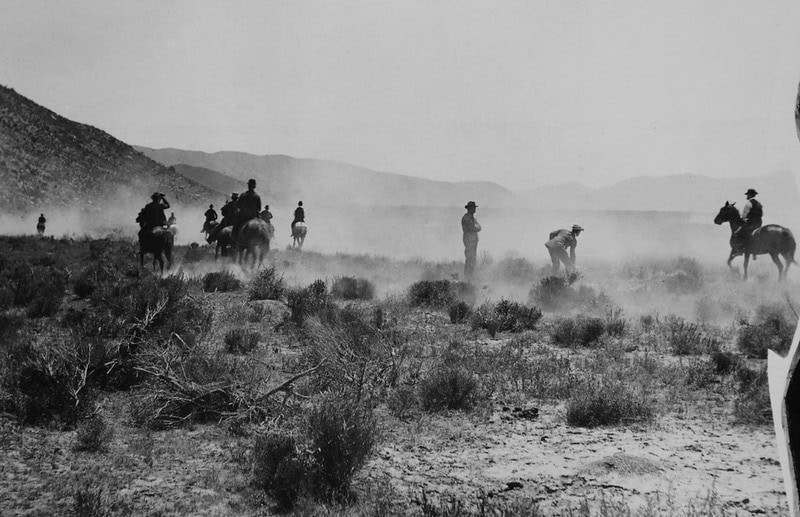
In that sense, the deepest theft wasn’t only territorial. It was conceptual. The earth was turned into a possession.
Was the Land Stolen?
Historically speaking, territories were violently taken. People were displaced, killed, erased, pushed aside. That suffering is real.
But philosophically, something subtler happened. Not only were people removed from land.
A whole worldview was imposed.
A worldview in which land itself could be owned.
In that sense, the deepest theft wasn’t only territorial. It was conceptual.
The earth was turned into a possession.
Once that happened, endless conflict became inevitable. Because if land can be owned, then it can be:
• claimed
• defended
• stolen
• bought
• sold
• inherited
• conquered
And every group will have its own historical receipt proving why they are the rightful owners.
This is why arguments about who land truly belongs to never end.
They can’t. They’re built on a false premise.
The Trap of Moral Accounting
When Billie Eilish said no one is illegal on stolen land, the statement carries compassion. It points toward the injustice of borders drawn through violence.
But it still plays inside the ownership framework.
It suggests: This land belongs to someone else, therefore others have no less right to be here.
And the response from the Native American voice also plays inside the same framework: No, this land belongs to us.
Both sides are arguing over the same illusion. Just from different historical angles.
It becomes a moral accounting system.
Who was here first?
Who suffered more?
Who has the stronger claim?
But the earth itself is not keeping score. The seas don’t recognize deeds. The pastures don’t honor treaties. The soil doesn’t care which flag flies above it.
The idea that land can belong to humans rather than humans belonging to the land is what created these endless cycles of displacement in the first place.
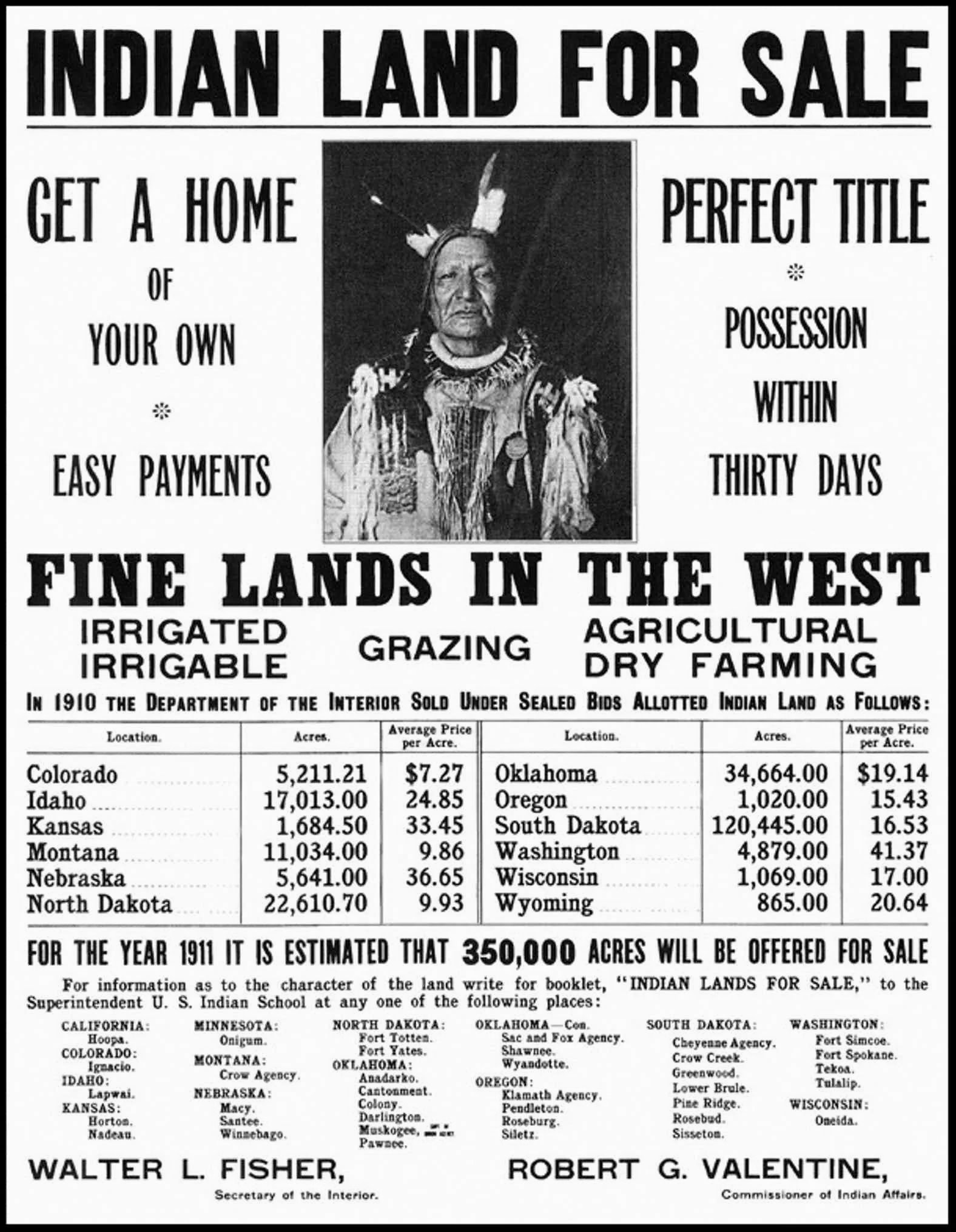
The tragedy is not only that land was taken. The tragedy is that the worldview of possession replaced the worldview of belonging.
Belonging Without Possession
To say that land doesn’t belong to anyone is not to erase historical suffering.
It’s to go deeper than blame.
It’s to recognize that violence arose from a mindset that separated humans from earth and turned life into property.
Indigenous cultures were not simply victims of stolen land. They were guardians of a different relationship with existence.
A relationship where the earth was sacred not because it was owned, but because it was alive.
The tragedy is not only that land was taken. The tragedy is that the worldview of possession replaced the worldview of belonging.
And now nearly the whole planet operates inside it.
Why This Matters Today
Modern debates about immigration, borders, reparations, and territory are often framed as if we can fix injustice by redistributing ownership more fairly.
But as long as the underlying concept remains unquestioned, conflict simply shifts hands.
New owners replace old ones. New grievances replace old grievances.
The cycle continues.
A deeper healing doesn’t come from deciding who the rightful owners are.
It comes from slowly remembering that the earth was never meant to be owned at all.
That we are temporary guests on a living planet. That every generation borrows the land from the next.
And as long as we keep arguing about who owns what, we remain trapped inside the same structure that created the injustice.
Beyond Stolen and Owned
In existential terms, the very idea of stealing land is already a misunderstanding. Because land was never a possession to begin with.
What was taken was access. What was broken was relationship. What was imposed was a system of ownership that now governs almost every aspect of life.
And as long as we keep arguing about who owns what, we remain trapped inside the same structure that created the injustice.
Coming Back to Earth
Perhaps the real invitation in moments like Billie Eilish’s comment is not to pick sides.
But to question the foundation beneath all sides.
Not: Who does the land belong to?
But: Why do we believe it belongs to anyone at all?
What would society look like if land were cared for rather than owned?
If belonging replaced possession?
If stewardship replaced domination?
These aren’t romantic fantasies.
They are how humans lived for most of our existence.
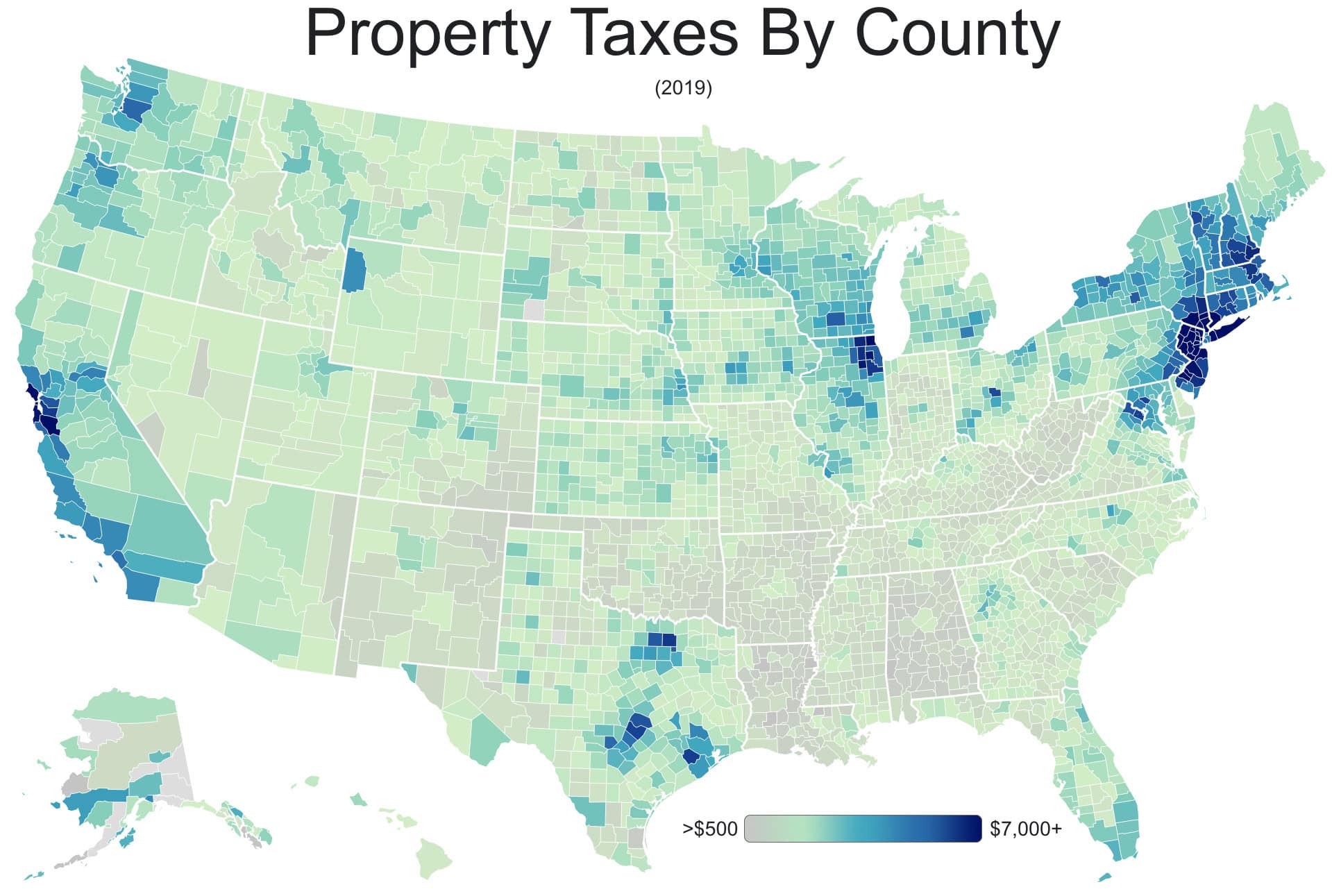
The modern world is the result of turning earth into property.
And judging by environmental collapse, mass displacement, and endless territorial conflict, it’s not going very well.
A Deeper Truth
Billie Eilish wasn’t wrong in pointing toward injustice.
But the truth may be deeper than slogans.
The land wasn’t stolen because it belonged to someone else. The land was violated when humans decided it could be owned at all.
And healing may begin not with better claims, but with remembering our place as part of the earth rather than its masters.
Not owners. But caretakers. Participants. Temporary travelers on ancient soil.
If we can loosen our grip on the illusion of possession, perhaps we can finally step out of the endless wars over what was never ours to begin with.
You may also like

Katy Perry rebrands God as a “goddess” – but what if feminism runs on unconscious patterns?
Feminism often fights patriarchy out there. It often becomes reactive, opposing "man" - without…

The Naked Red Carpet – From Gwyneth Paltrow to Jennifer Lawrence
On today’s red carpets, the fabric is mostly an afterthought. The “naked dress” - sheer panels,…

Why celebrities are a perfect mirror to make the unconscious conscious
You may not care about them. You may think they are shallow, completely irrelevant to your life, or…