
VIEW
WEas a collective
Vision - From Separation to Centeredness
WE HAVE THE POWER TO REIMAGINE AND CHANGE THE WORLD
In a world shaken by climate change, endless wars, emotionally stunted leadership, and an economy rigged for the few, it’s only natural to ask:
How did we get here? With all our history and all we’ve seen – is this really the best we can do? Can we not imagine and build something better, something saner, more humane?
Everywhere we look, people are in crisis – physically, mentally, emotionally – clashing with one another and themselves. What’s tragic is how blind we are to the deeper thread tying it all together: our global dysfunction mirrors the emotional wounds we carry from childhood. We’ve dismissed pain that should never have been dismissed. And by ignoring these wounds, we keep recreating the same chaos – internally and collectively.
This isn’t about pointing fingers. It’s about becoming aware. The emotional wounds we never healed are passed down, unspoken and unexamined, shaping the next generation in the same mold. Hurt perpetuates hurt.
In highly industrialized, competitive societies, nearly all of us have experienced a core wound in childhood. We were objectified, molded to fit roles, rewarded for performance, and shamed for simply being. We were taught to hide, to shrink, to disconnect from our essence.
Undoing this conditioning – coming back to ourselves, to the awareness that we are consciousness itself – may sound abstract, but it changes everything. It liberates us from our conditioning, and reorients how we see the world, and more importantly, how we live in it.
Imagine what could unfold if we stopped running on autopilot – if we dropped our reactive patterns and recognized that beneath the layers of social conditioning, we are part of an interconnected field of consciousness. One that goes beyond bodies, thoughts, feelings, identities. In that awareness, the impulse to defend our gender, race, nationality, or worth would fade – not out of apathy, but because something deeper has been remembered: our shared being.
GRAINOFGOLD is a call to action. A call to heal, to return to ourselves, to reclaim and embody the truth of who we are – and to support others in doing the same.
Real change – whether it’s healing depression, breaking addiction, ending war, or addressing climate crisis – cannot be forced from the outside. It begins within. The shift in mindset, the inner alignment, creates a ripple. As more of us awaken to this deeper awareness, that ripple becomes a wave – unstoppable, inclusive, leaving no one behind.
This isn’t about conformity or merging into sameness. Unity, in this sense, means honoring our differences while contributing to something greater than the sum of its parts.
It means each of us living our truth fully – because only through that do we access our power to shape the world according to our highest vision.
The promise of a transformed world isn’t just about reaching Mars or colonizing space. While those feats may expand our horizons outward, what holds even more potential is the rise of a cosmic consciousness – a profound shift within humanity that reshapes life here, at its root.
The possibility is real. The responsibility is ours. Now is the time.




From Dominance and Greed to True Centeredness
We can approach life in two main ways: either by chasing fulfillment outside ourselves or by discovering it within.
The first path – shaped by societal norms – pushes us to seek worth through status, wealth, appearance, and achievement. We’re taught to measure ourselves by what others think, to pursue power and possessions as a way to feel safe, accepted, and valued. But this kind of striving never ends. Even when we “make it,” the satisfaction fades, and we’re left chasing the next fix. Like any addiction, the high is temporary – and the emptiness returns.
Tying our self-worth to external validation makes us vulnerable to rejection, failure, and constant pressure to prove ourselves. We become caught in a loop of striving, performing, and numbing – whether through consumption, distraction, or addiction. We try to fill an inner void with things that can never truly satisfy.
At the root of this cycle is a fundamental misunderstanding: that our core needs – like belonging, purpose, and love – must be met from the outside. This belief feeds a mindset of scarcity and separation, where dominance, competition, and control are seen as the path to survival.
Our culture reflects this inner lack. Systems built on greed, fear, and selfishness arise from individuals trying to secure what they feel is missing inside. We inherit structures that prize material accumulation over connection and status over wholeness.
But there’s another way.
True fulfillment doesn’t come from achievement or approval – it arises when we turn inward and reconnect with our essence. When we stop outsourcing our worth and start realizing our inherent wholeness, something shifts. We move from lack to sufficiency, from proving to simply being.
This is the path of true centeredness. It’s about coming home to our essence – the place within where we are already secure, already worthy, already loved. Ideally, this would be nurtured from childhood by parents or caregivers who mirror our intrinsic value. But even if that wasn’t our experience, we can still return to this inner source. It’s always there.
When we live from this center, external rejection or failure loses its sting. We no longer seek validation to feel real. Instead, we root ourselves in a deeper presence, one that connects us to a larger field of life, beyond status or success.
And when more of us make this shift, everything changes.
We begin to build different kinds of systems – ones rooted in compassion, cooperation, and enoughness. We move from insecurity to integrity, from taking to sharing, from domination to service.
The journey from external striving to inner centeredness is not just personal – it’s collective. As we reclaim our inner authority, we create space for a new kind of world. One that reflects wholeness instead of lack.
And it starts with this knowing: What we seek is already within us.





From Transactional Relationships to Interconnectedness
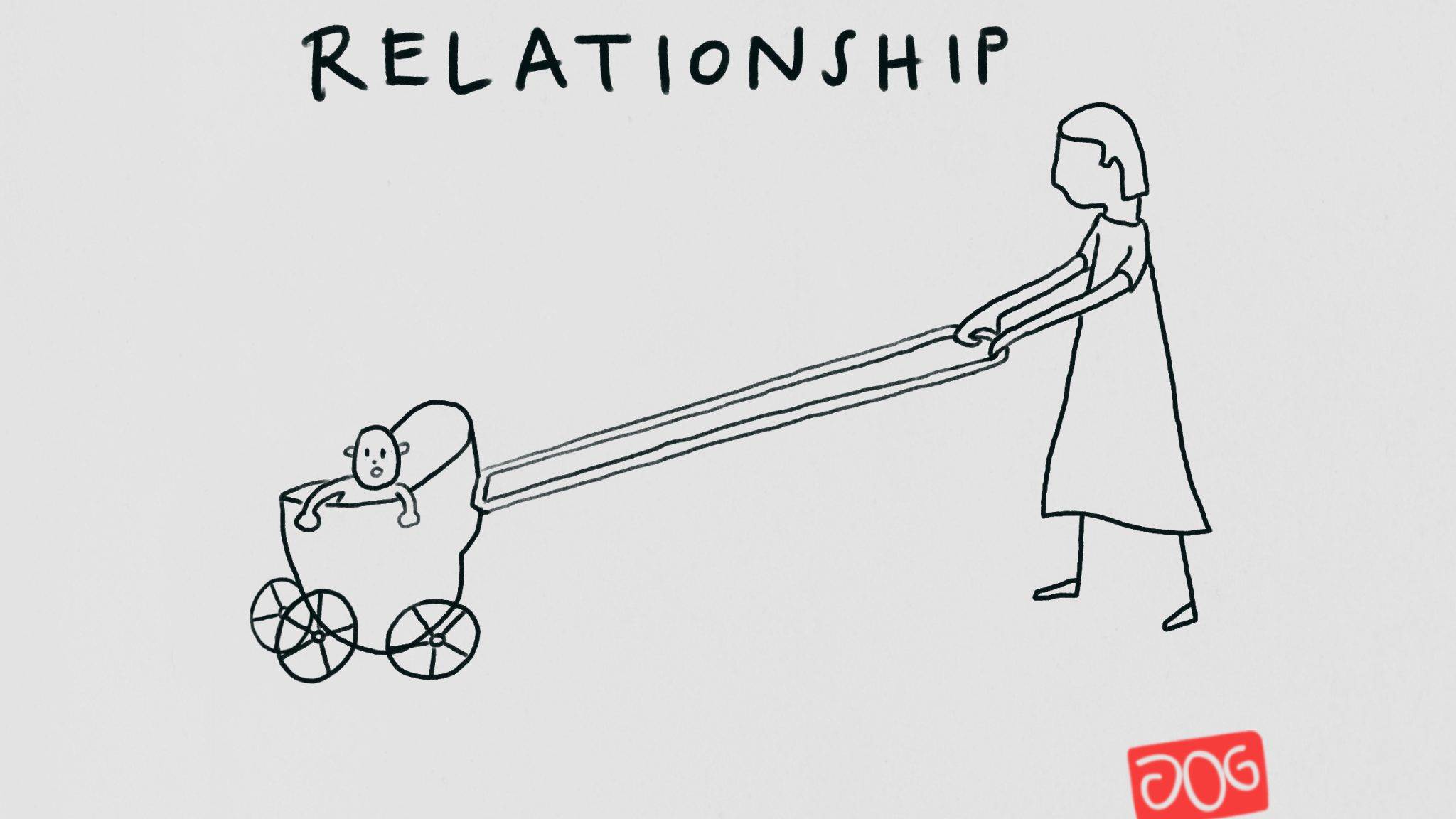
In many modern societies, relationships are transactional by default. We give to get. Attention, affection, energy, presence – all filtered through an unspoken exchange system: “I’ll do this, if you do that.” But this mindset isn’t something we pick up in adulthood. It starts in childhood, in the very first relationship we form – with our parents.
When a child receives love only when they behave, please, perform, or stay quiet, they learn a dangerous lesson: that love must be earned. That who they are isn’t enough – it’s what they do that makes them worthy. This sets the blueprint for transactional relating. It also quietly installs the foundation for hierarchy.
The parent, often unconsciously, takes the superior position – not just in authority, but in emotional worth. And if that parent is carrying their own unresolved wounds of powerlessness or rejection, they may overcompensate through control. The child, meanwhile, learns to adapt to survive, forming the habit of self-abandonment to maintain connection.
This early imbalance is where hierarchy is born. It’s not just a family issue – it shapes entire cultures. A child who learns that love must be earned becomes an adult who accepts systems of control, feels unsafe without external validation, and participates in relationships from a place of inner lack. They may become codependent, overly responsible for others, or emotionally avoidant – but always calibrated around what’s expected of them, not who they truly are.
To “undo” this pattern, we need to see the family unit as the seedbed of society. If we want egalitarian, visionary communities, we cannot raise children in emotional hierarchies. We must raise them with presence, not dominance. With trust, not control. With unconditional regard, not performance-based affection.
Those who have done deep inner work know: love isn’t a currency. Power isn’t control. Connection doesn’t require shrinking or performing.
True interconnection begins when we stop outsourcing our worth and anchor it within. When we relate not from emptiness, but from wholeness. We no longer give to get – we give because we are full. Because it’s in our nature to care, to connect, to co-create.
And this isn’t just personal healing – it’s a collective one. When enough of us stop replicating the parent-child power dynamic in all our relationships, we begin to model a new way of being. One where love is not a transaction, but a truth. Where we don’t raise the next generation to submit or perform – but to respond, to co-create, to trust their own essence.
This is how we build a liberated world.
And when more of us live this way, we start building a society that honors interdependence as sacred. A world where love is not a transaction, but a truth.



From Condtioning to NurturingFrom Educating to Guiding
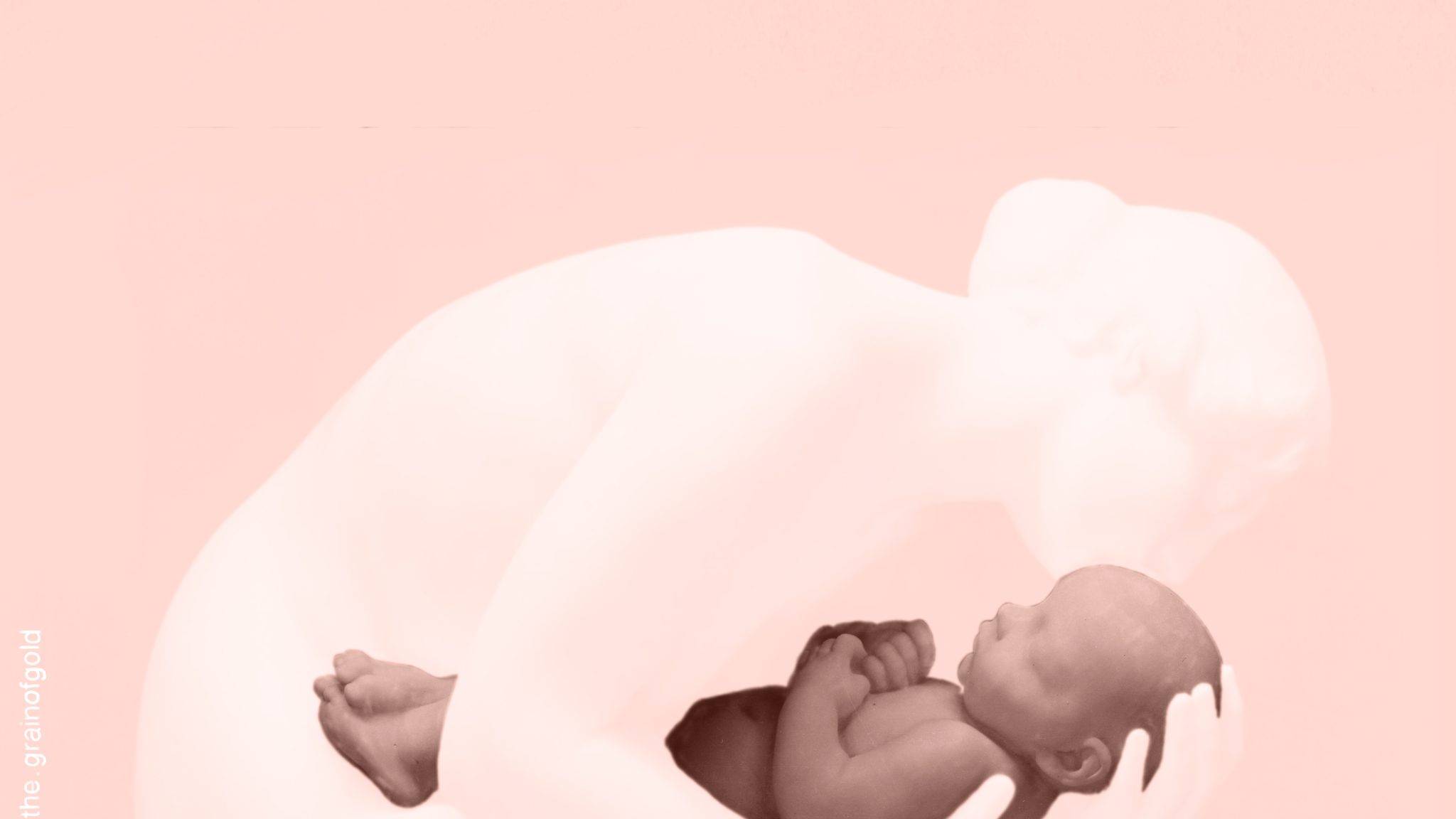
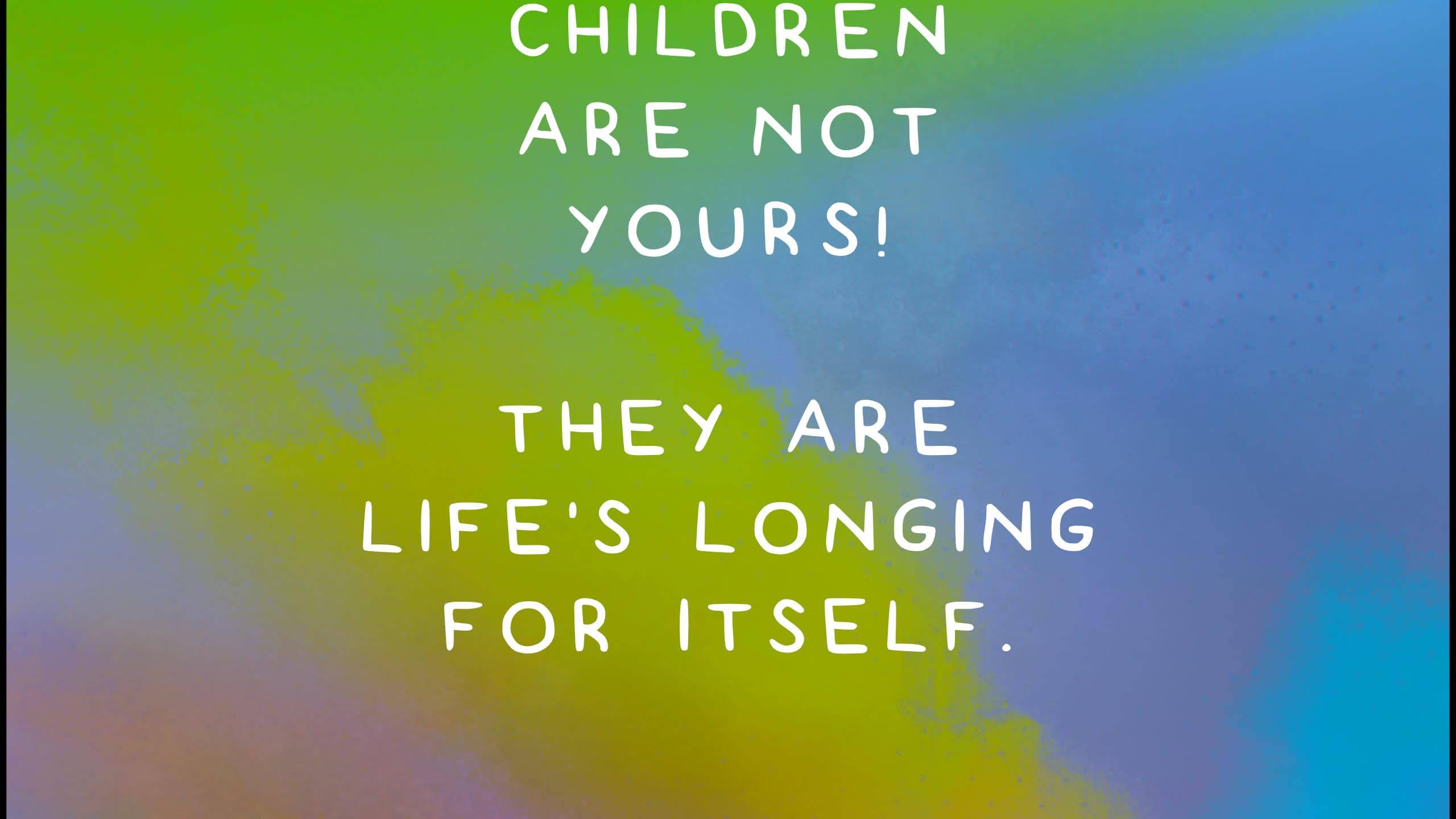
Imagine a world where we stop objectifying children and begin to see them as sovereign beings in their own right.
Not as extensions of ourselves, nor as property to manage or shape, but as beings we are here to serve – those arriving with a more evolved awareness, often grasping truths this generation still resists. They carry insights that call not for our control, but for our support.
We should be honored – not reluctant – to hand over the world when the next generation reaches maturity, when they are ready, not when we are forced to let go, allowing fresh vision to lead.
Imagine a world where we no longer treat children as projects to perfect or molds to fill, but as future stewards of our communities – those we will one day entrust with the well-being of all.
The future is not something we own. It is something we prepare to hand over – with humbleness, trust, and gratitude in those rising to meet it.
Instead of raising them with rigid rules and expectations, we offer them values, presence, and support.
Instead of conditioning them to conform, we nurture what is already alive in them – their intuition, their sense of purpose, their natural rhythm. We create space for them to unfold, not according to our fears or concepts, but in alignment with their own emerging truth.
We must also acknowledge the limits of our traditional education systems, which have long emphasized compliance and memorization over meaning and connection.
The word educate comes from the Latin educere – to lead out. Not to fill up.
To truly educate is to guide, not impose. It is to draw out what is inherently within each child – to recognize that each carries their own blueprint, their own purpose, waiting to be supported into bloom.
To guide is to be present without controlling.
It means cultivating environments where children feel safe to explore, question, and express. It means modeling the values we hope to pass on – integrity, compassion, wisdom – not preaching them. It means listening more than instructing, being with rather than doing to.
In short, moving from conditioning to nurturing, and from educating to guiding, is not just a shift in method. It is a radical shift in our relationship.
It is how we create a world where every child, and thus every person, is given the conditions to thrive – not just survive.
Because how we treat our children is how we shape the future.


From Disconnection to Connection
We are living in a time of profound disconnection. Not because we lack people or resources – but because, early on, many of us were forced to disconnect from ourselves.
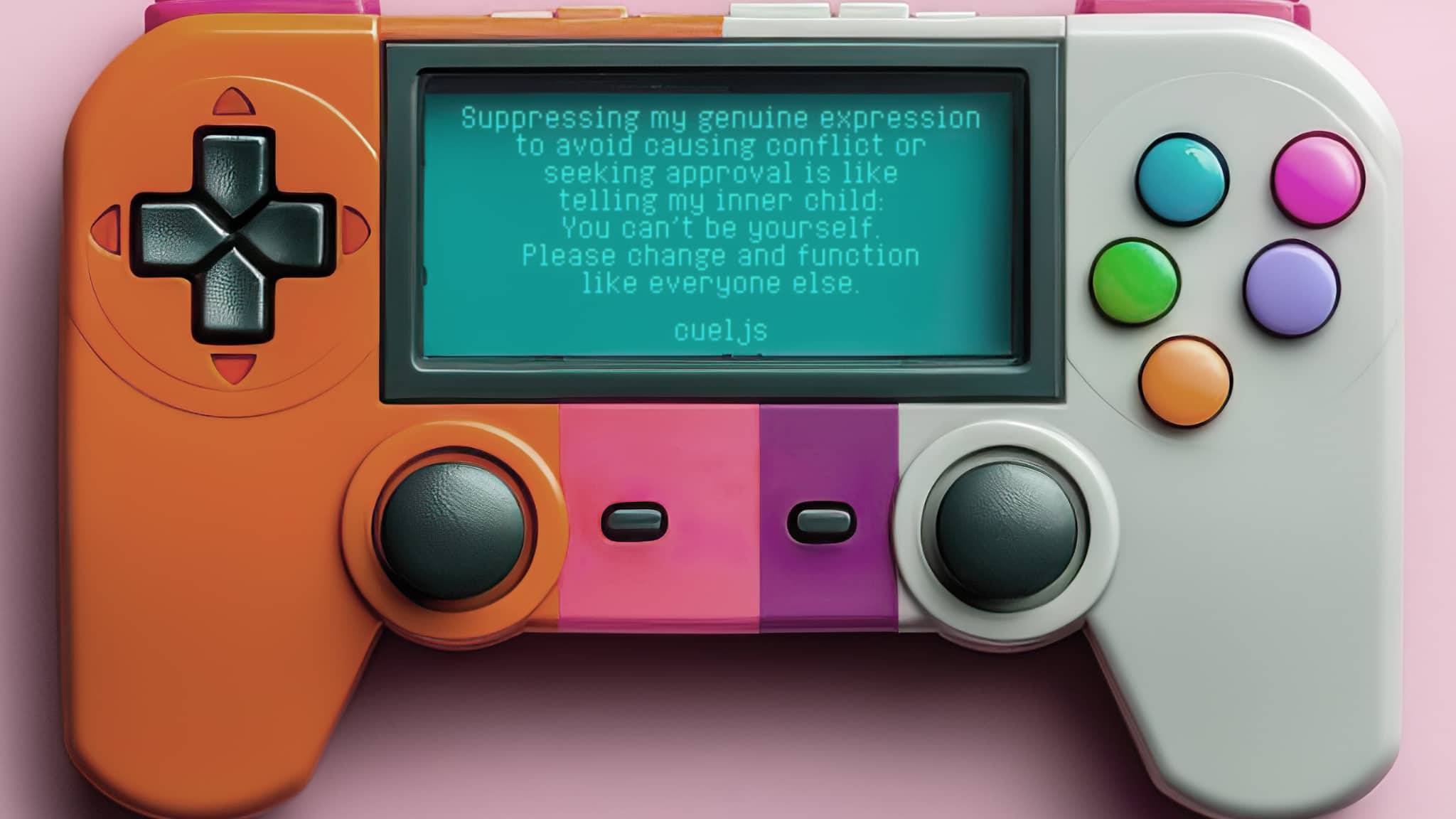
As children, we adapt to survive. If love is conditional – based on being good, obedient, pleasing – we learn quickly what parts of us are welcome and what parts are not. To preserve connection with our caregivers, we abandon connection with our essence. We suppress what’s deemed unacceptable, mute our true feelings, and conform to what gains approval.
This is the origin of disconnection. Not as a vague spiritual crisis – but as a survival adaptation. Self-abandonment becomes our baseline. We lose trust in our own inner compass, because the cost of authenticity was love.
From this early fracture, a much wider fragmentation begins.
We grow into adults who perform instead of live. Who seek validation instead of presence. Who relate from fear of rejection instead of grounded self-knowing. Who confuse control for safety and transaction for love.
This individual disconnection scales outward – into families, communities, institutions, and nations. We build systems that mirror this inner exile: rigid, hierarchical, competitive, and blind to the sacred. Disconnection breeds isolation, even in the midst of abundance. It dulls compassion. It polarizes. It makes exploitation possible – because we’ve stopped recognizing each other as kin.
From this root disconnection, we see stunted leadership, exploitative economies, senseless violence, and rising authoritarianism. We see a severed relationship with the Earth, treated not as a living being but a commodity. This isn’t just an ecological collapse – it’s a spiritual one.
And through it all, we remain lonely. Numb. Distrustful. Desperate for connection, but afraid to be fully seen.
But healing begins when we trace the disconnection back to its root – not to shame or blame parents, but to understand the inherited patterns that shaped us. When we recognize the cost of early self-abandonment, we begin the work of reconnecting.
Returning to what was always here – our essence. Our capacity for presence, compassion, truth, and care.
From this inner restoration, a different kind of world becomes possible. One where we no longer perform for belonging. Where we no longer dominate to feel secure. Where power is shared, not imposed.
This is how disconnection begins to dissolve – not through external fixes alone, but through an inner reunion. When enough people return to themselves, the collective begins to shift.
We create communities rooted in mutual respect, not hierarchy. We raise children without demanding they sever parts of themselves for approval. We lead without control. We serve without ego.
From this place, we don’t need to be convinced to care – for the Earth, for each other, for what’s real and alive. Care becomes natural. Connection becomes obvious. And the sacred is no longer something we seek, but something that lives through us.
This is not just a personal journey. It’s a societal revolution.
One that restores trust.
Reclaims the heart.
And reminds us: we don’t need more control – we need to come home to ourselves.



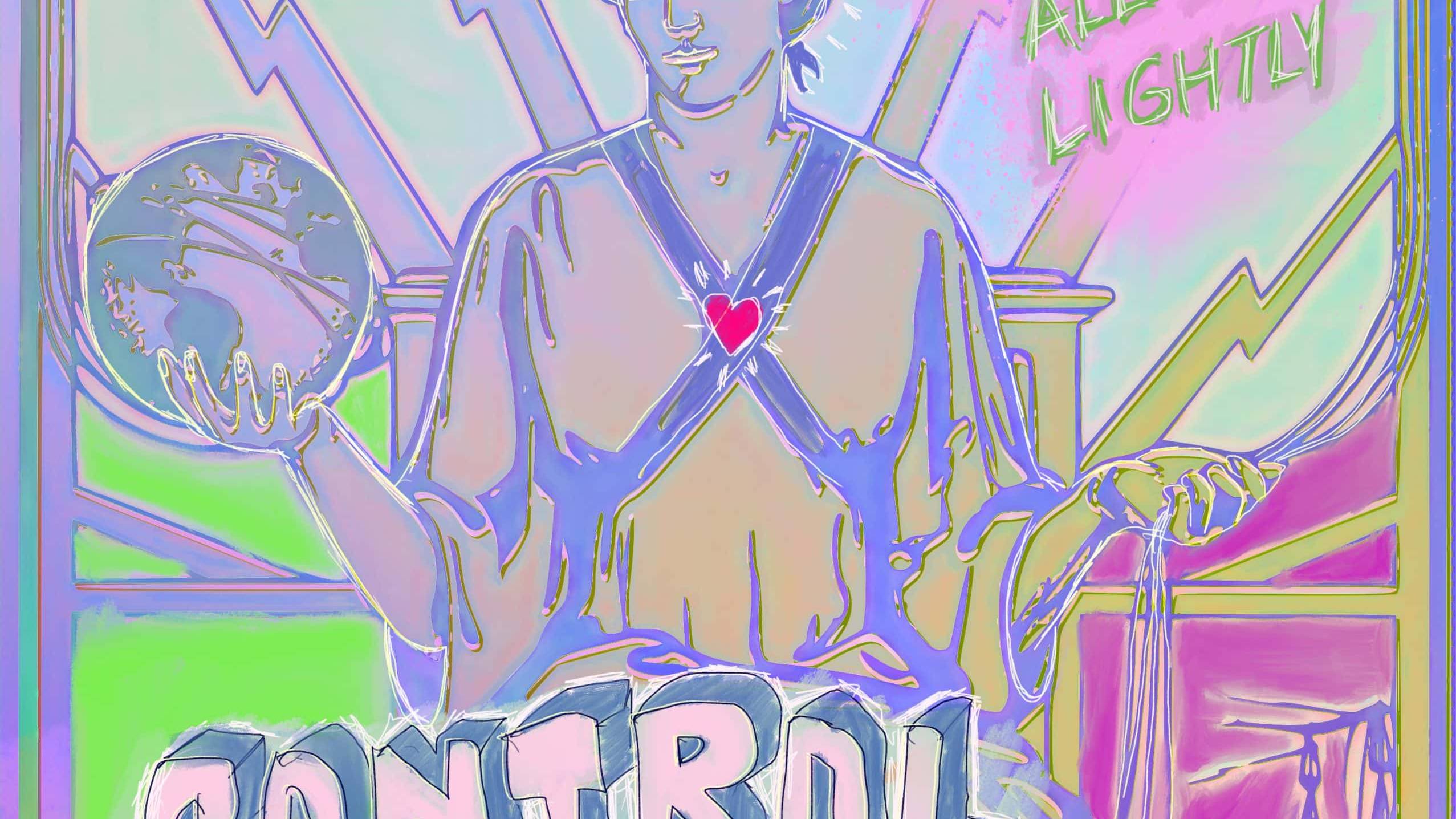
From Control to Trust
We live in a world obsessed with control. Control over nature. Over people. Over outcomes, emotions, even time. It gives the illusion of safety and order – but at what cost?
This collective compulsion to control, born from fear, has shaped the architecture of our entire civilization: rigid institutions, surveillance states, standardized education, corporate micromanagement, and even spiritual dogma. It seems like it offers stability, but instead, it often brings feelings of alienation, disconnection, and a deep sense of mistrust.
At its root, the need to control reflects a rupture in trust – in the inherent wisdom of life, in the natural flow of things, in one another, and in our inner knowing.
Most of us didn’t lose trust as adults. We were trained out of it early.
As children, most of us were taught to obey. To suppress certain feelings. To override our instincts. To doubt our perceptions. To conform to what others deemed appropriate. We learned that in order to belong, we had to abandon ourselves. In that environment, self-trust erodes.
And when you don’t know how to hold your own fear, grief, anger, or longing – you’re more likely to try to control the world around you. You think others are the cause of your discomfort, so you manage, blame, or fix them. You outsource responsibility. You grasp for power in places where it doesn’t belong – because you’ve lost contact with where it does. This is why we try to control each other: not because we’re bad, but because we’ve forgotten how to trust ourselves.
Control also hides in our collective ideals.
Our entire legal and moral framework is built on the belief that people need to be managed – through laws, punishments, and systems of reward. We speak of justice and fairness as if they are absolute, but they are built on the same architecture of control: someone must decide what’s right, who is wrong, and how they should pay or be praised.
Yet when we touch into compassion – into real love – we begin to see that there is no such thing as fairness. Life is not fair, and never has been.
Justice, as we define it, is often not just. It is retribution dressed up as righteousness.
Rules exist where love is absent.
We punish to correct, reward to motivate, legislate to enforce.
But if we were rooted in compassion we wouldn’t need these systems.
We would understand that people hurt others because they themselves are hurting.
That punishment doesn’t heal pain.
That moral codes are clung to when we’ve forgotten how to be human together.
In love, we forgive – not for the other, but for ourselves. Not because someone deserves it, but because we deserve to be free. Forgiveness is not an act of consent – it is an act of release. A letting go of control. A turning toward trust.
It’s not that we abandon discernment or boundaries. It’s that we no longer believe punishment creates peace. We know now: only presence does. Only compassion. Only the willingness to look deeper.
This shift – from moral control to embodied compassion – is one of the most radical transformations we can make as a culture. And it can only begin when we start to trust ourselves again.
Control is an illusion. Life is not programmable. It is wild, uncertain, cyclical, and deeply relational. The more we try to dominate it, the more we distance ourselves from its sacred rhythms. And the more we attempt to manage each other, the more we undermine community, autonomy, and mutual respect.
Moving from control to trust is not about passivity – it’s a radical reclamation.
It’s learning to co-create rather than dictate.
It’s loosening the grip, not losing our power.
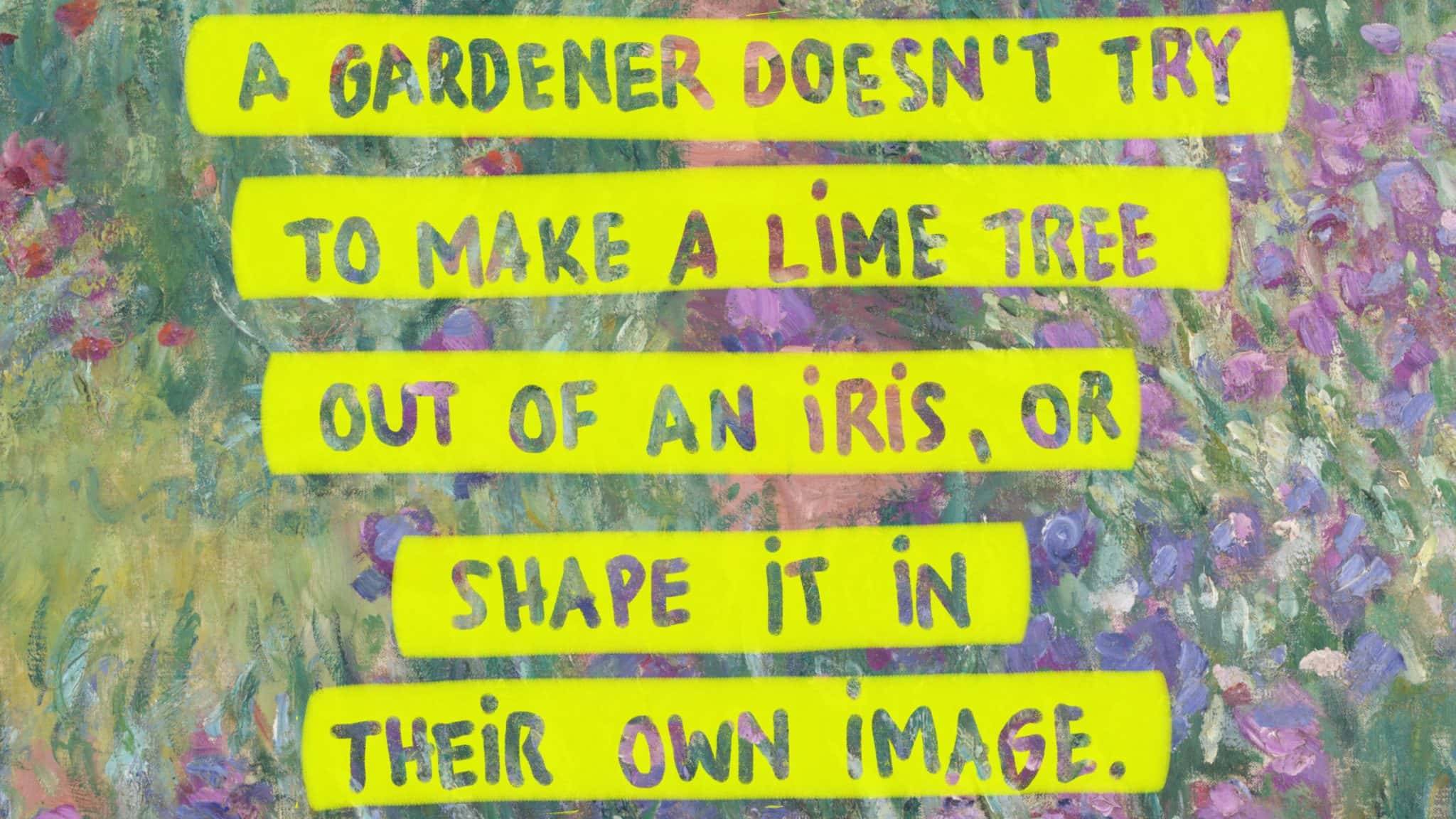
Trust is not blind. It’s active. It’s the daily choice to stay open to life’s complexity – to allow space for uncertainty, for emergence, for mistakes and repair. It’s honoring our own inner guidance system and extending that same trust to others. It’s creating cultures and systems where people are trusted to self-govern, to express, to bloom.
This kind of trust must be rooted in self-trust – the very thing we were conditioned to lose. When we reclaim it, we stop projecting our fear onto others. We stop seeking power in domination. We begin to embody it, wisely, from within.
And as we do, our systems shift.
Education becomes curiosity-driven.
Leadership becomes service.
Medicine becomes holistic.
Community becomes a space of shared power, not surveillance.
This is the societal revolution we need – not more control, more rules, more fear. But more trust.
Trust in the wisdom of life.
Trust in the intelligence of nature.
Trust in the innate dignity of every human being – including ourselves.


From Dualism to Integration
Our world has been shaped by dualism – not just as a philosophical idea, but as the underlying logic of our systems, structures, and ways of thinking.
We split everything: self vs. other, human vs. nature, mind vs. body, good vs. evil, right vs. wrong.
This binary lens is so deeply embedded in our language and institutions that we barely notice it, even as it fuels division, conflict, and alienation.
But dualism doesn’t begin in philosophy books or political discourse.
It begins in childhood.
As children, we absorb the message that certain parts of us are acceptable – while others are not.
We learn to separate our anger from our vulnerability. Our curiosity from our obedience. Our sadness from our strength.
We learn that love often comes with conditions: “Be good.” “Be quiet.” “Don’t feel that.” To maintain connection or safety, we split off parts of ourselves.
This inner fragmentation becomes our foundation. We start seeing the world through the same lens we were taught to see ourselves: in parts, in opposites, in conflict.We begin to believe that if something is not like us, it’s against us. That if we’re struggling, we must be failing. That complexity must be resolved, not held.
Dualistic thinking fragments reality. It pits people and ideas against each other, frames difference as threat, and reduces complexity to simple opposites. It disconnects us from the fluid nature of life.
This fragmentation shows up everywhere: Politics become battles. Education rewards only certain forms of intelligence. Medicine separates the body from the spirit. Spirituality often escapes the world instead of embracing it.
The crises we face today are symptoms of a worldview that cannot hold wholeness.
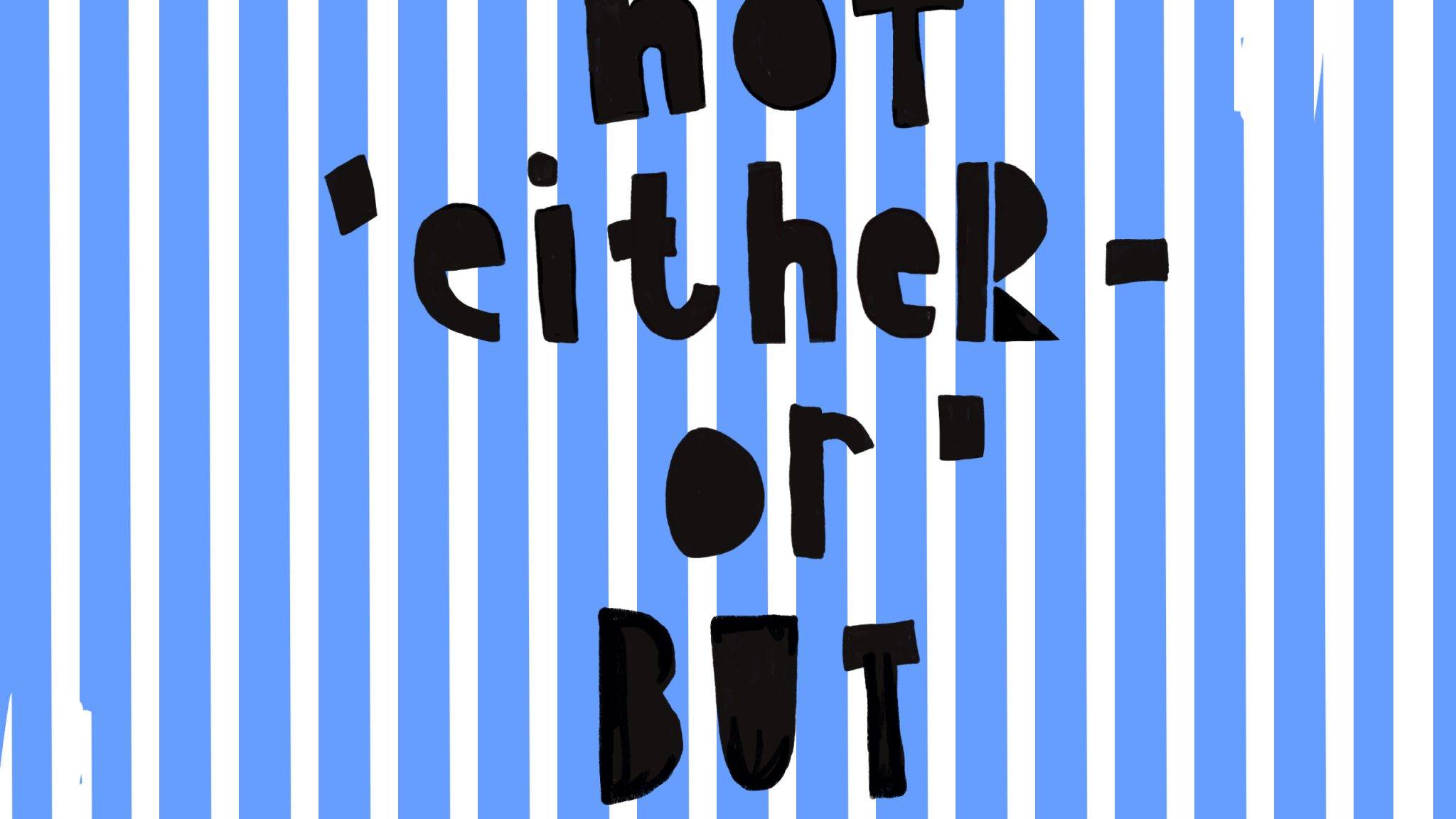
Integration is the shift we need. Not a collapse of difference, but a deeper way of relating to it. It’s the move from either/or to and. From fixed sides to living tension. From mental division to embodied presence.
Integration invites us to soften the rigid boundaries we’ve inherited. It asks us to recognize that all polarities arise within a larger unity – that what we label as opposites often coexist in experience: joy and sadness, strength and vulnerability, clarity and confusion. None of these cancel each other out.
This doesn’t mean all experiences feel the same. But the labels we attach – good, bad, success, failure – start to lose their grip. Instead of rejecting or grasping, we begin to meet each moment as it is, without needing to split it.
Integration doesn’t ignore struggle or pain. It includes it. It means being fully present with our emotions – not suppressing them, but also not letting them rule us. We don’t need to eliminate one side to make room for the other. Awareness is infinite and can hold it all.
Integration means presence. It means being able to sit with tension and discomfort – without needing to reduce it to a side. It is not about control or perfection, but about capacity – our ability to stay present with the fullness of life.
This shift – from dualism to integration – is how we move from polarization to inclusion. From domination to service. From fragmentation to unity.
To integrate is to see the world not as a battlefield of opposites – but as an intricate, pulsing whole.
And it starts by remembering: We were never meant to be split. Nothing is separate.







From Hierarchical Society to Egalitarian Network
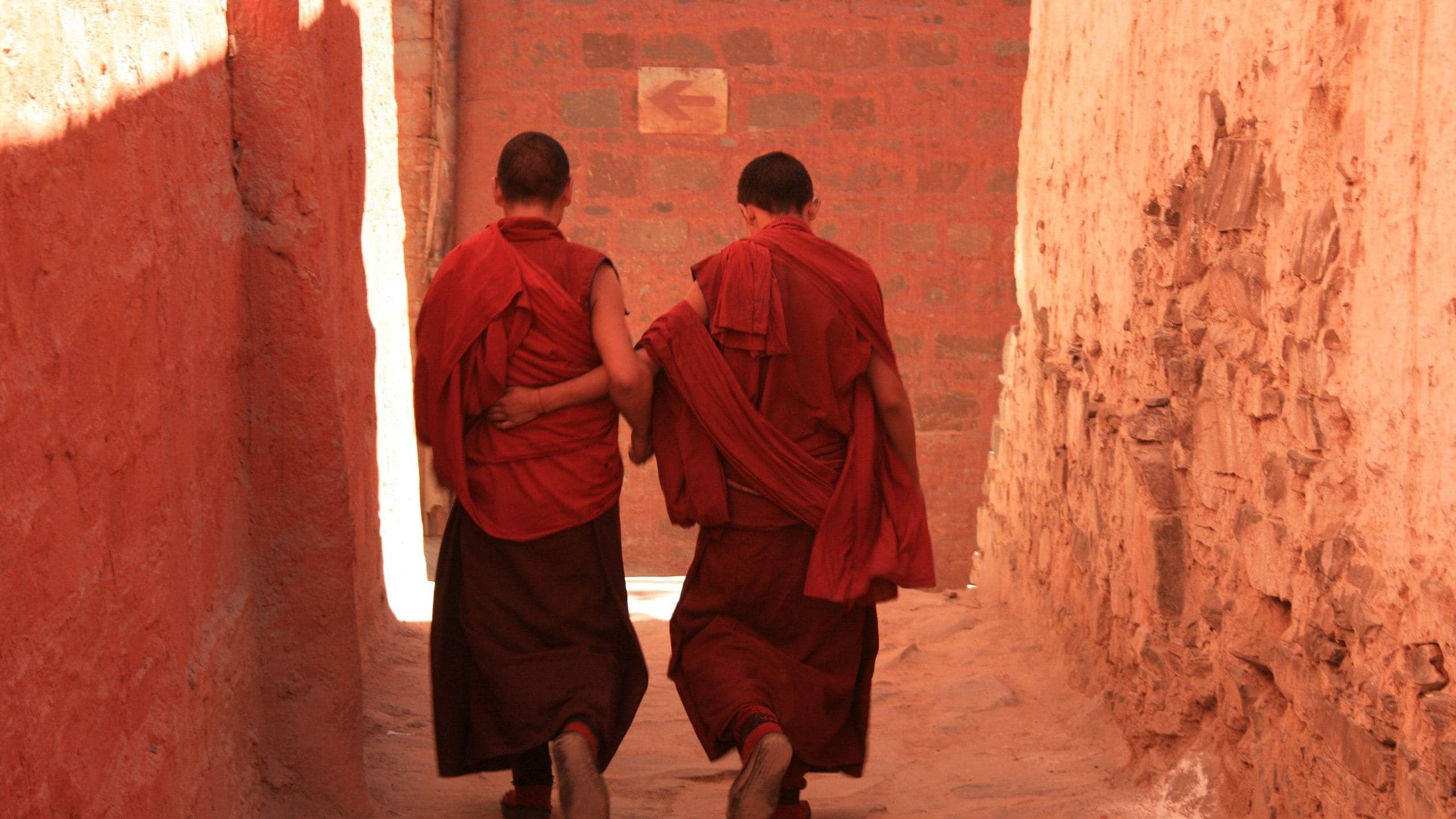
Hierarchy doesn’t begin in boardrooms, governments, or religious institutions – it begins in the nursery. The roots of a hierarchical society are planted early in childhood, in the fundamental dynamics between parent and child. When adults carry unhealed wounds from their own upbringing—feelings of powerlessness, rejection, or inadequacy – they often unconsciously overcompensate once they become the ones “in charge.” Parenting, then, becomes the first arena where domination, control, and emotional imbalance are modeled, not because parents are inherently oppressive, but because unresolved pain seeks security in power.
Children on the receiving end of this dynamic learn their place in the hierarchy early: they are trained to obey, suppress their inner truth, and view authority as something to fear rather than trust. This early imprint becomes the breeding ground for larger societal structures built on compliance and fear. It normalizes inequality before a child even learns to speak, teaching them that power resides in those who are older, louder, or more controlling. By the time they grow into adulthood, these patterns are internalized, and replicated – at work, in relationships, and in political systems.
This is how hierarchies perpetuate themselves: not merely through institutions, but through generations. If we want a world that reflects balance, mutual respect, and empowerment, we must become aware of this dynamic at its root. Raising children in a way that honors their voice, autonomy, and innate dignity is not just good parenting—it’s radical societal transformation. These children are the future architects of either more pyramids of control or more networks of connection. The question is: which are we preparing them for?
Those who benefit from hierarchical systems – autocrats, oligarchs, authoritarian leaders – have a clear interest in keeping the masses disconnected, obedient, and easy to manipulate. They rely on the inner disempowerment of individuals to maintain outer dominance. But those of us who have done the inner work – who have confronted our conditioning, questioned our learned roles, and reclaimed our inner authority – can no longer perpetuate this paradigm. We don’t want to raise a mass of followers. We want to raise visionaries.
Visionaries are not built on obedience. They are cultivated through trust, curiosity, and the space to be whole. A liberated adult who has reclaimed their power will naturally seek to empower others, not dominate them. And this is the heart of an egalitarian network: the commitment to raise others up rather than hold them down.


From Governing Apparatus to Self-Regulating Organism
We’ve inherited systems that centralize power – governments, hierarchies, bureaucracies – designed to manage people, not empower them. These structures were built on the premise that a few must decide for the many. But in a diverse, interdependent, and rapidly changing world, this model is not only outdated – it’s dehumanizing.
And at the heart of this model is the nuclear family: isolated, overburdened, and expected to meet every emotional, financial, and caregiving need alone. It was never meant to hold the full weight of human life. It fragments us, privatizes struggle, and separates us from the wider web of support we actually need to thrive.
What we need is a return to something more natural – more relational. Not isolated units behind doors, but interconnected circles of care. Where the old are not discarded. Where children are raised by many hands. Where no one is left to carry too much, too long, alone.
When authority is externalized, people forget they have it. They learn to wait for instructions, permissions, and approvals. They lose touch with their inner knowing – their capacity to discern, decide, and act. What emerges is learned helplessness: a belief that we can’t govern our lives, that we must be governed.
We see this mirrored in how we raise children. When every choice is made for a child – what to wear, how to behave, when to speak – they don’t learn how to listen to themselves. They learn compliance, not autonomy. And often, they carry that conditioning into adulthood, waiting for someone else to lead.
But people are not problems to be managed. Communities are not machines to be controlled. We are living systems – capable of adaptation, responsiveness, and self-organization.
This is not about rejecting structure. It’s about reimagining it – from the ground up. Not a top-down system of enforcement, but a horizontal field of co-creation. Not leadership as control, but leadership as service and facilitation.
We can look to the way human beings have lived for most of our history: in small, interwoven groups where everyone is seen, known, and needed. In a tribe-sized village, you can’t disappear into anonymity – or into authority. Elders are not discarded; they tend to the young. Mothers are not isolated; they are held by the community. Children are not shaped into obedience; they are witnessed into becoming.
These aren’t utopian fantasies. They’re reminders. We’ve done this before. Our nervous systems remember.
In a self-regulating organism:
Power and wealth are not hoarded – but shared.
People are not exploited – but have a place and a purpose.
The rhythm and wisdom of life is not halted – but lived.
This is how we become not just governed – but alive.
From governing apparatus to self-regulating organism.
From dependency to participation.
From external rule to inner commitment.
This isn’t the collapse of order – it’s the return to true order and harmony.


From Fragmentation to Unity
We live in a world shaped by fragmentation – within and without.
We see it in polarized politics, broken communities, divided families, and disconnected individuals.
But this fragmentation didn’t start with culture wars or global crises.
It started in childhood.
It begins the moment a child must sever parts of themselves to belong.
When love becomes conditional.
When survival depends on being good, quiet, pleasing, strong.
The psyche splits – into acceptable and unacceptable, worthy and unworthy.
This inner divide becomes the template through which we see the world:
Us vs. them. Right vs. wrong. This or that.
These fault lines, seeded early, are reinforced by the systems we grow up in.
Systems that reward conformity, punish difference, and keep us in competition rather than connection.
Systems that mistake control for care, domination for leadership, obedience for safety.
And yet – none of this fragmentation is final.
Separation is not our origin story. It’s a wound.
Unity is what we are made from.
Beneath the fractures, there is an unbroken field of being.
A shared essence that pulses through all of us, no matter our differences.
To move from fragmentation to unity is not to erase difference, but to remember what holds it all.
This remembering is not sentimental – it’s radical.
It asks us to shift from managing symptoms to addressing the root.
From blaming each other to healing the original split.
From treating disconnection as normal to seeing it as the wound it is.
Unity is not a finish line. It’s a practice.
It’s the inner work of becoming aware of inherited boundaries.
Of listening across differences without collapsing into sameness.
Of holding complexity without choosing sides.
Unity doesn’t mean we all agree.
It means we stay open, we integrate even when we don’t.
This is not just spiritual work – it’s structural work.
It means reshaping systems to reflect the living intelligence of community.
It means shifting from rule to relationship. From imposed order to emergent coherence.
From being governed to becoming a self-organizing, self-aware collective.
When we commit to unity, we commit to holding tension without needing to collapse it.
We stop asking, “Which side is right?” and begin asking, “What wants to be integrated here?”
We learn to feel the full range: grief and joy, anger and love, rupture and repair.
All of it belongs. All of it is life trying to find its way back into wholeness.
The path to unity begins with seeing through the illusion of separation.
Not as an idea, but as a living truth.
Nothing is separate.
Not the one from the other.
Not the body from the spirit.
Not the wound from the whole.
To live this truth is to become a bridge.
Between worlds. Between ways. Between broken parts of a whole that never truly stopped belonging to each other.
This is how it all comes together:
From dualism to integration.
From external leader to inner sovereign.
From control to trust.
From fragmentation to unity.
Not by force. Not by ideology.
But by remembering what we’ve always known deep down.
We are not pieces to be managed.
We are a living whole – waiting to be lived.


You may also like

Abuser and Abused
Beyond the roles we assign - victim and perpetrator, or abuser and abused - lie invisible legacies…