Billy Crystal, You No Longer Trust God?

Image Credit: Gage Skidmore – CC-BY-SA-2.0
Billy Crystal, the comedian and actor best known for his role in “When Harry met Sally” says he no longer trusts God.
After losing his home of 46 years in the Palisades wildfire in 2025, then his longtime friend Rob Reiner, he seems to have reached a point where “too many bad things have happened.” The Earth is in bad shape. “This is a weird, scary time.”
I won’t judge him for thinking this way. I cannot imagine what it means to lose a home you have lived in for 46 years, let alone to lose a dear friend on top of it. But I also don’t know who or what he is referring to when he says God. And that matters.
A friend’s young daughter once asked me if I believed in God. I said yes. She was relieved because her parents clearly didn’t believe in God, while she did. But let’s be clear here. I don’t believe in a man with a white beard sitting somewhere above the clouds.
The word God to me points towards a principle of the Un-nameable. Something that cannot ultimately be captured in a name, an image, or a concept. What Buddhists call Buddha nature. What Hindus and Advaitin call Atman – Brahman.
I was raised Catholic. But I stopped believing in the version of God my mother believes in. And I suspect this is where we need to start.
The word God to me points towards a principle of the Un-nameable. Something that cannot ultimately be captured in a name, an image, or a concept.
The God We Have Made in Our Own Image
What if whatever we call God is not someone? Not a human person with a personality, preferences, intentions, and feelings about us?
We have a tendency to humanize what we cannot understand. To give the abstract a face, the infinite a personality, the unknowable a set of familiar characteristics. It makes sense. How do you relate to something you cannot see, touch, or comprehend? How do you approach something that has no boundaries, no face, no name?
You give it one.
It’s easier to relate when they’re not different from you, the guru of the Tibetan Buddhist community I once belonged to told us. If they eat pizza, poop, and can get impatient, too. In Tibetan Buddhism, the guru is viewed not merely as a human teacher, but as living manifestation, the direct embodiment, the emanation of the primordial.
Perhaps personifying God was a way of making the incomprehensible accessible. A bridge between the human and the Un-nameable. Something we could talk to, pray to, ask for help, and feel close to.
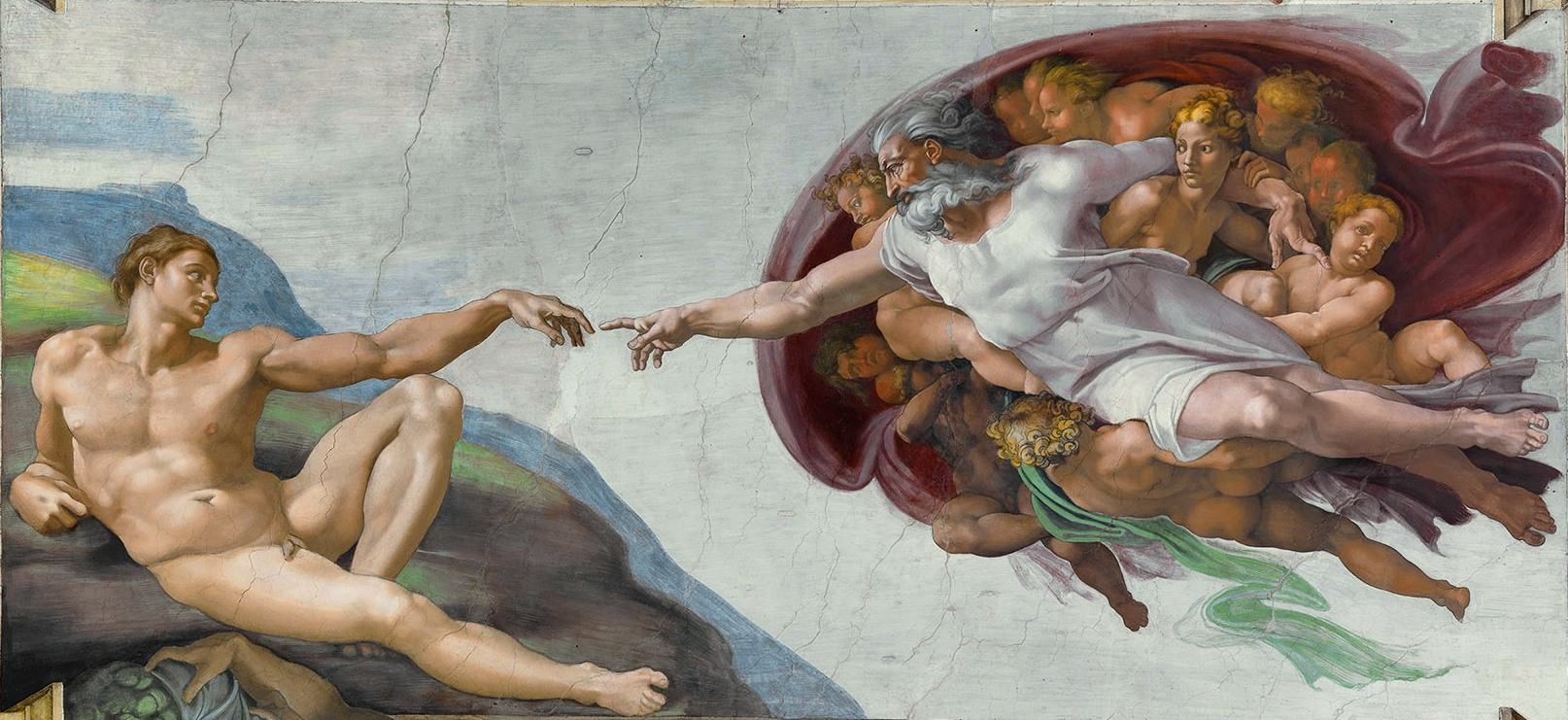
Michelangelo’s Creation of Adam
But somewhere along the way, the bridge became the destination. The image became the thing itself. The metaphor became a belief about what God actually is. And then we start projecting a father figure onto our God.
Someone who rewards us when we do good and perhaps punishes us when we do wrong. Someone who answers our prayers. Or perhaps the father figure we never had. Someone who listens. Intervenes. Protects us. The one who will finally give us what we have been longing for.
And when life doesn’t correspond to our expectations and wishes, we begin to question whether God is there at all.
If we look around, many of us share the sentiment that life has become insecure, volatile. Wars, crime, inflation, climate change, isolation.
Why would God do that to us? Even if, in your imagination, God were an old man in the sky, what we are experiencing is, to a large extent, of our own doing.
When the world came to a grinding halt because of COVID, many of us complained because we felt stuck at home. We wanted our freedom back, our routines back, our familiar lives back.
But how many of us also noticed the slowness, the quietness, the temporary relief for the climate, the time we suddenly had on our hands?
I’m not suggesting that lockdown was easy or that its costs weren’t real. But what if the disruption had something to show us about the way we were living?
Instead, for many of us, the goal was to get back to where we had been. Back to the familiar. Same old, same old.
If we had been in a different state of mind, perhaps we could have taken this as a cue to approach life differently. But we couldn’t wait to go back.
Perhaps that is part of the problem. We want life to change when it hurts us, but we want it to return to normal as soon as the change becomes uncomfortable. And then we wonder why life keeps unsettling us. What if the problem isn’t that God has abandoned us?
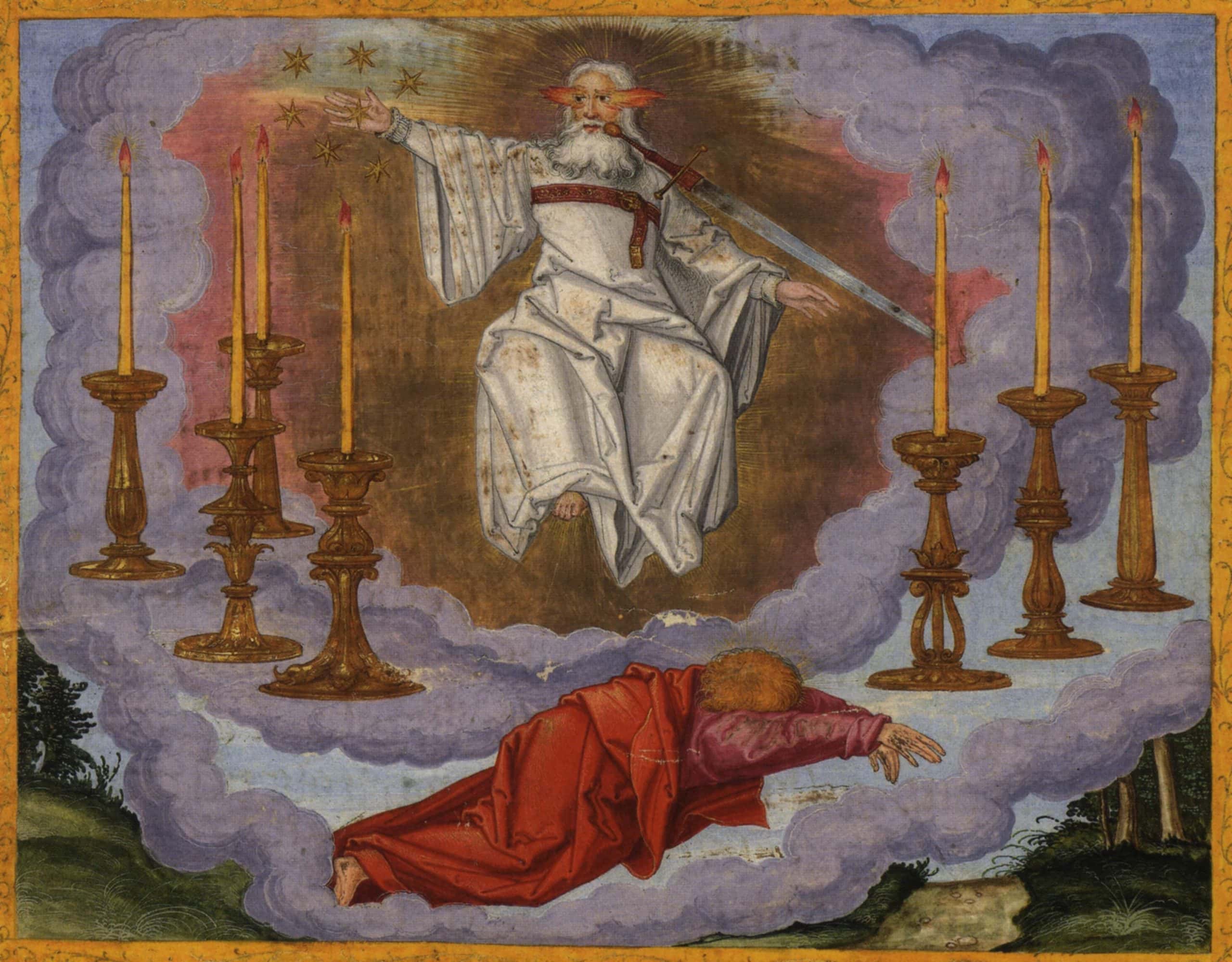
Ottheinrich_Folio284v_Rev1 2
God Is Not Santa Claus
What if we have misunderstood what we mean by God in the first place?
I don’t see my relationship with the Un-nameable as a transaction.
I don’t believe there should be someone available all year round to whom I can submit my wishes and requests, hoping that the right things will happen to me in return.
A kind of Santa Claus, except one who never goes on holiday.
Of course we don’t want shit and hardship. Nobody wants to lose their home, their loved ones, their health, or the life they have built. But does that mean these things shouldn’t happen to us?
If you have lived in a home for 46 years without losing it to a wildfire, perhaps there is also room to be grateful that you had those 46 years.
I’m not saying you deserved to lose it. I’m not saying you should be grateful for the loss. Nobody deserves to suffer. Any suffering you have to go through is real.
But neither does anyone have a guarantee against suffering.
And I wonder what happens when we start treating that guarantee as part of our relationship with God.
When life is good, we feel blessed. When things go our way, we may thank God for looking after us. But when life turns against us, we feel betrayed. We wonder how a God who supposedly loves us could allow such things to happen.
Isn’t this also the relationship we have with our own father? Where you think: “Isn’t he supposed to love me? Protect me? Be there for me?” And when he isn’t, we might feel deeply betrayed. We focus on what he failed to give us. We might say we want a deeper, truer relationship with him. But instead of telling him our truth, we complain about what we didn’t get.
This doesn’t make the deprivation any less real. It doesn’t absolve a parent of responsibility.
But perhaps it opens another question: are we looking for a relationship, or are we still waiting for someone to finally give us what we believe we should have received?
The transaction seems to go only one way: ours. We give thanks when we value what we receive. But when we don’t get what we want, we withdraw our gratitude. No thanks!
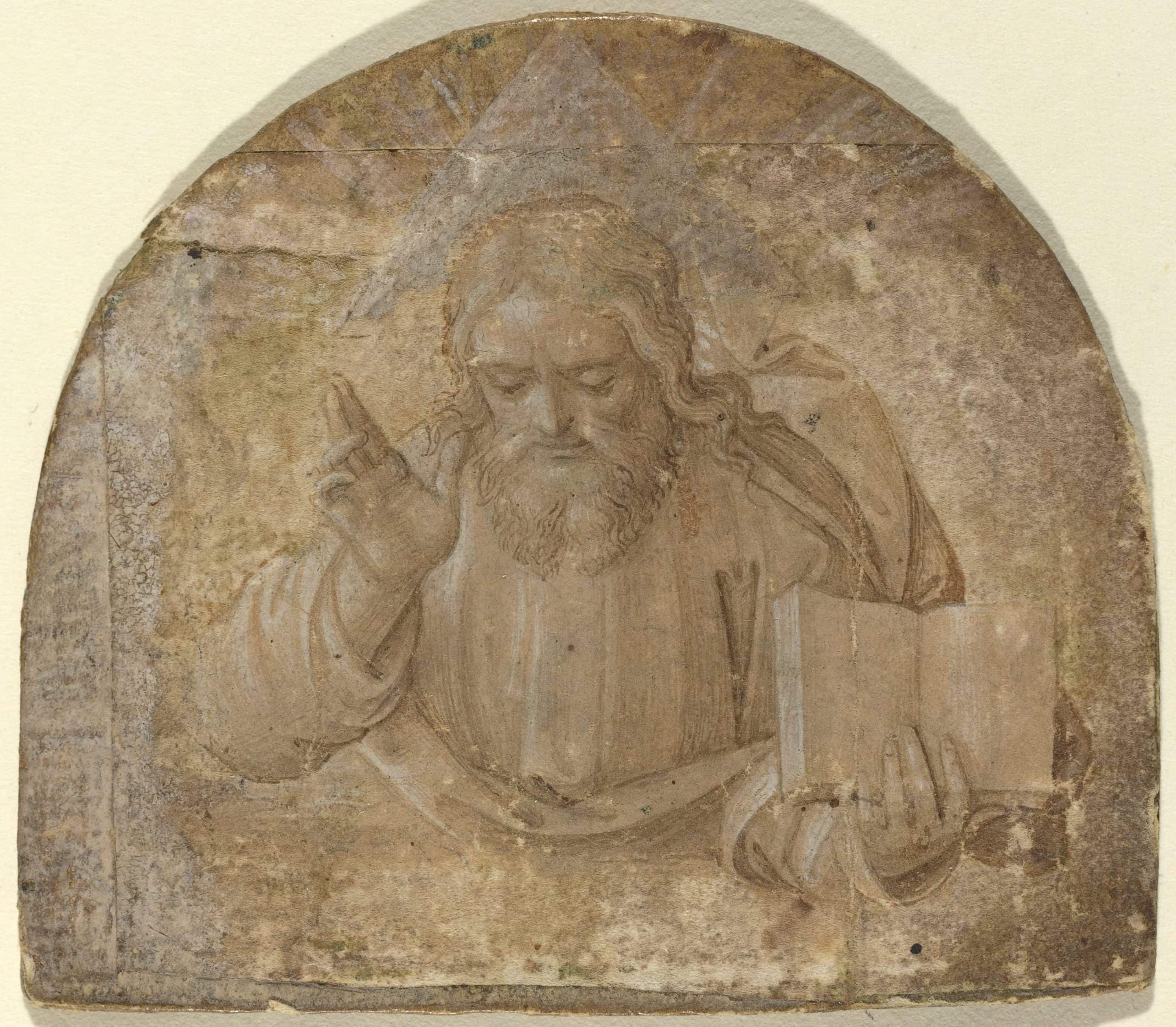
God the Father – Blessings
When life is good, we feel blessed. When things go our way, we may thank God for looking after us. But when life turns against us, we feel betrayed. We wonder how a God who supposedly loves us could allow such things to happen.
Are You God’s Favourite?
There is another side to this idea of God: the belief that we are somehow favoured.
That God has chosen us. That we are protected, special, deserving of the good things that happen to us.
Really, you believe that God let you win because He likes you better?
You believe that you have a life of wealth and comfort because you worked hard, made the right choices, and happen to be one of God’s favourites?
What does that make the people who lost to you? The people who worked just as hard, or harder, and still lost everything? The people who were born into circumstances from which they may never escape?
Does their suffering mean God likes them less? Or is it because they don’t believe in your God that they lost in the first place?
And if you believe you are chosen, what does that say about the millions of people who were not?
Look at the world. Some people have more money than they could ever spend, while children scrape on the streets to survive. Some people live in safety and abundance; others are born into war, hunger, and deprivation.
And if God is the one deciding who gets what, what kind of God are we talking about?
Aren’t we asking God to confirm our own significance and egos?
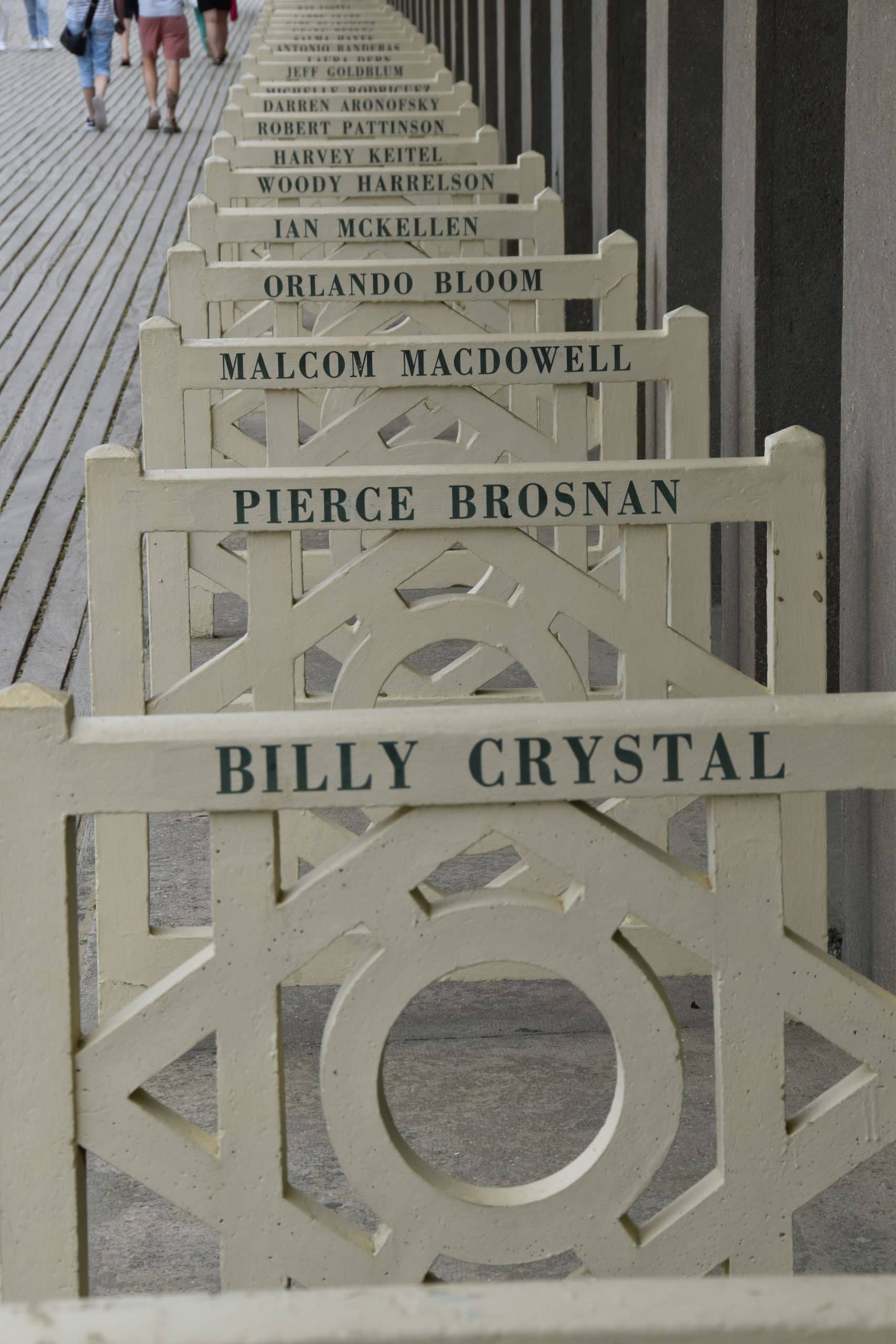
Image Credit: Christoph Sager – CC-BY-SA-4.0
Life Is Not a Reward System
Hardship, loss, grief, betrayal. These are among the experiences of being alive.
They are not necessarily punishments. And a life of comfort is not necessarily a reward.
We may want to believe that good things happen to good people and bad things happen to bad people. That there is some underlying moral order that ensures everyone eventually gets what they deserve.
It would make life easier to bear if we could believe that.
But look around.
“Good” people suffer. People who cause suffering prosper. Children are hurt by circumstances they had no part in creating. People take their own lives.
And we ask: is that fair?
I don’t believe there is fairness in the way we humans tend to think of it. We look at one person’s life, at what they have and what they lack, and judge it as though this one life were the whole story.
But what if it isn’t?
I believe we live many lives. That we are here to make experiences. And that we make them one at a time.
What does it mean to experience unity? It means that rich and poor, privilege and deprivation, are not ultimately separate. They belong together. You cannot have one without the other.
And perhaps we need to experience these different realities ourselves. To be rich in one life, poor in another. To experience what it means to have power, and what it means to be powerless.
Not as punishment. Not as a reward. But as experiences of life that we cannot fully understand by looking at them from only one side.
Wealth doesn’t accumulate in isolation. If we see only the person who has become rich, we see an individual achievement. If we see the collective from which that wealth accumulates, we see the connection between the apparent opposites.
Perhaps we need to experience both sides to see that rich and poor are not separate realities. That the wealth of one comes at the expense of another. That hierarchy needs us to overpower those with less power. And perhaps, when we truly see the connection, we no longer need to place ourselves above someone else. We no longer need to exploit, to dominate, to win at someone else’s expense. Not because someone told us it was wrong. But because we can see that the other is not separate from ourselves.
Perhaps we need to stop confusing the way we think life should work with the way life actually unfolds. That is different from expecting existence itself to operate according to a human concept of fairness.
Life is not a reward system. It does not promise that you will be spared because you are good, that you will be protected because you have faith, or that you will be compensated for everything you have endured.
Life happens. And we experience it.
Sometimes we experience extraordinary beauty. Sometimes unbearable pain. Sometimes both within the same life, the same year, even the same day.
We can grieve what has happened without turning it into a verdict on our worth, our goodness, or our relationship with God.
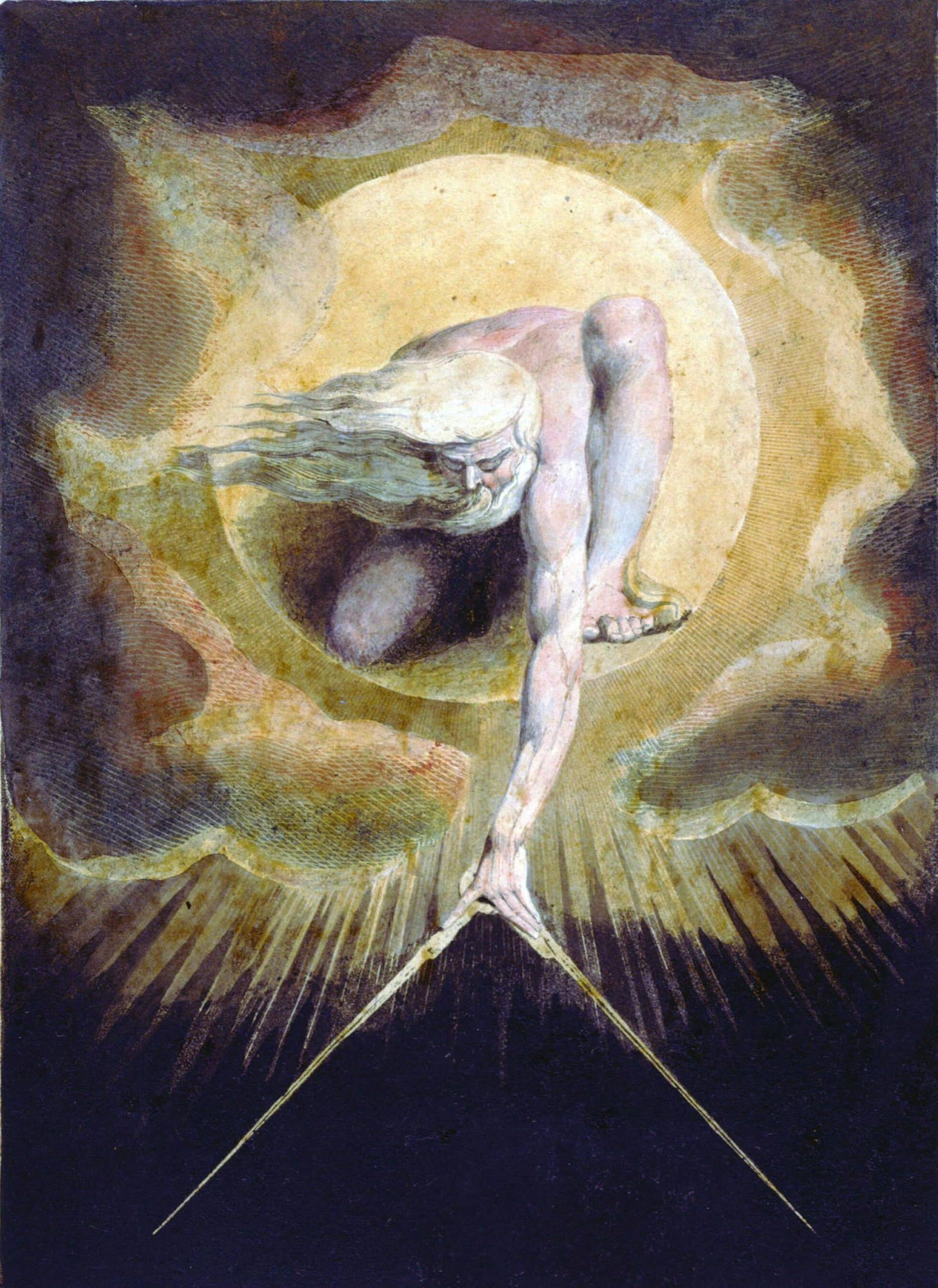
Ancient of Days – William Blake
“Good” people suffer. People who cause suffering prosper. Children are hurt by circumstances they had no part in creating. People take their own lives.
And we ask: is that fair?
What If God Was Never the Promise That Nothing Bad Would Happen?
Years ago, the house of German showmaster Thomas Gottschalk and his wife burned down in a wildfire. She saved the cat and the cat toilet. He wasn’t there and resented her for not saving a handwritten piece by the poet Rainer Maria Rilke. They lost their house. And eventually, their marriage.
But losing a house doesn’t mean we have to lose the bond we have with one another. A catastrophe can bring us closer, or it can drive us further apart. We can hold on to each other, or turn against each other. The tragedy is not only what happens to us, but also what happens in us in the face of it.
The same event that devastates one person can become the occasion for another person’s deepest insight.
Perhaps the question is not whether we can trust God to prevent the things we fear. Perhaps the question is what we mean by God when we use that word at all. If God is a person who loves us more than others, who rewards us for our goodness, who intervenes when we ask and protects us from what we cannot bear, then I understand why the world can make faith feel impossible.
But that is not the God I am talking about. I am talking about something that cannot be reduced to a person, a preference, or a promise. Something that does not make us more deserving than another human being. Something that cannot be measured by how comfortable our lives are or by how much pain we have escaped.
Life does not appear to distribute its experiences according to our ideas of justice. If today you are rich, perhaps in two years you lose everything you own. We cannot know what life will bring.
The meaning of life is not about having a big house and enjoying the comforts of life.
It is about staying imperturbable in life’s weather. Whether it’s sunshine, rain, or storm, you stay grounded. You don’t become bitter but stay open, vulnerable.
Not because nothing can touch you. But because being touched by life is what being human means.
This is not about remaining calm at all costs, suppressing grief, or pretending pain doesn’t matter. It is about not allowing what happens to turn you bitter, closed, or afraid of life itself.
That is what the Un-nameable grants us. Because I – You – We are the Un-nameable.
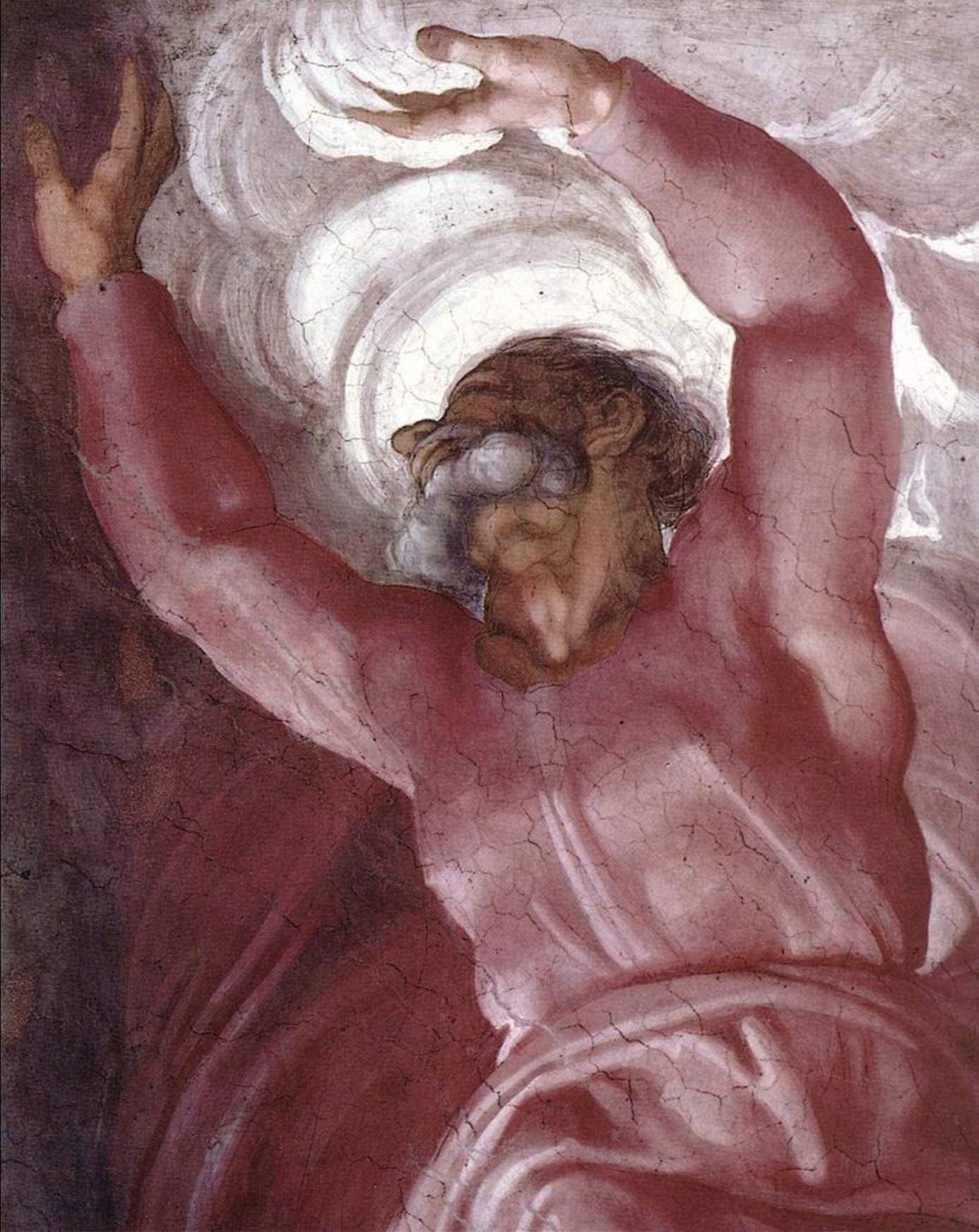
Separation of Light from Darkness – Michelangelo
You may also like

Spiritual superiority is still superiority – John Allen Chau didn’t die for faith
John Allen Chau was the missionary who tried to convert the isolated Sentinelese tribe in 2018 and…
After all, contentment is – The erroneous paths of KENZO
“At the end of the 1980s I wanted a Japanese house with a garden in the middle of Paris. My dream…

The Real Reason Your Dreams Are Failing (And It’s Not What You Think)
Even if you’re not a tennis fan like I am, I thought that Madison Keys' recent Australian Open win…