When “Love” Becomes Control: What the Halle Berry Controversy Reveals About Parenting and Authority
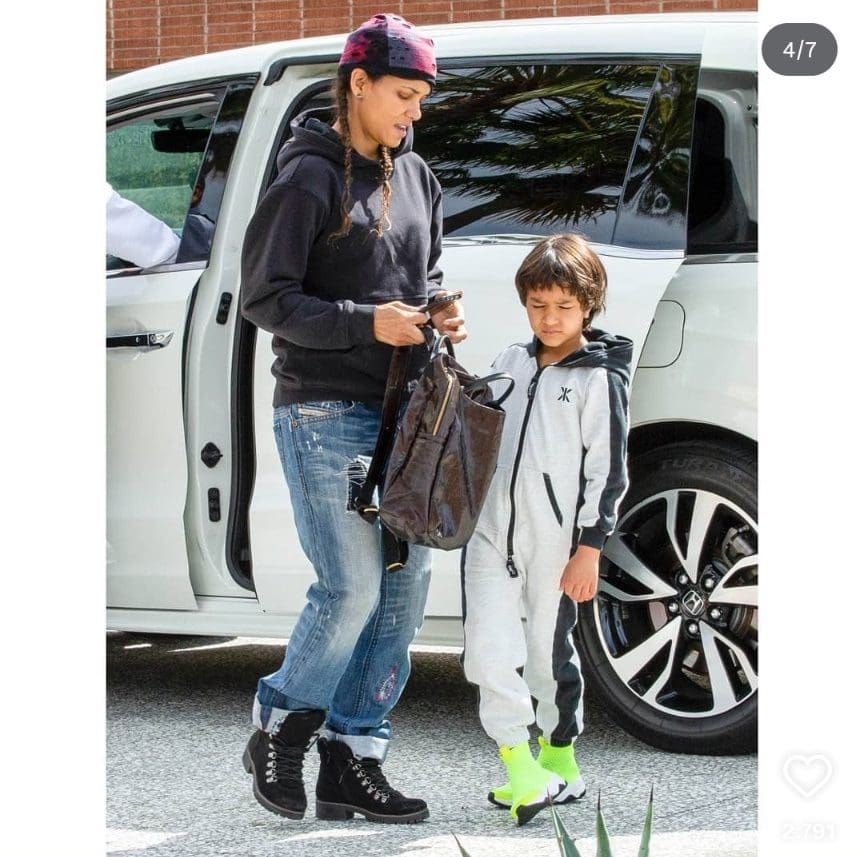
Image Credit: Instagram @_celeb_babies_kids, Maceo 6 years old
Olivier Martinez, the former partner of Halle Berry and father of their son, Maceo, has filed for a temporary restraining order against the actress, alleging that she physically abused their 12-year-old son. According to Martinez’s court filing, Berry jumped on Maceo, put her hands around his neck and choked him while shouting, “Who is dominant now? Who is dominant?” He is asking for sole custody.
Berry’s lawyer has denied the allegations, calling them meritless and misleading. A Los Angeles County judge has nevertheless granted a temporary restraining order, temporarily restricting Berry’s contact with Maceo pending a hearing on October 16.
We don’t know what happened. What we do know is what has been alleged: that a child became distressed enough to call his father and ask him to come and get him. According to Martinez’s filing, the boy was panicked and continued to contact his father while he was on his way.
And that is enough to make me think about something much larger than this particular family.
There is a pattern in this that extends beyond any single mother or child. It shows up again and again. The circumstances change. The story changes. But the underlying logic remains strangely familiar.
I recognize it because I have lived it from the inside.
There is a pattern in this that extends beyond any single mother or child. It shows up again and again.
It reminds me of my mother. A woman who says to this day how much she loves us. A woman who prays for us all the time. And a woman whose concept of “unconditional love” is, in my experience, anything but unconditional. In fact, it is the very thing I have come to understand as conditional love. Not because she doesn’t believe she loves us. She does. That is what makes this so difficult to see.
She learned what love was supposed to look like from the people who raised her. And then she passed that understanding on without ever stopping to question it.
Love became wanting. Love became knowing what was best for someone else. Love became pushing. Controlling. Suppressing. Rejecting. Silencing. Punishing. Sugarcoating. Manipulating. And all of it could still be called care. Because underneath it was always the same sentence: “I only do this because I want a better life for you.”
I know from experience that a mother can say this and mean it. She can genuinely believe that what she is doing is love. She can genuinely believe that she is protecting you. She can genuinely believe that she is sacrificing herself for you. And she can still be hurting you.
This is where I think we have confused two very different things. Unconditional love does not mean unconditional approval. It does not mean there are no boundaries. It does not mean a parent cannot intervene when a child is in danger. It does not mean every behavior has to be accepted.
It means something much more basic: My love for you is not dependent on you becoming who I need you to be. And that is a very different thing.

Image Credit: Øyvind Holmstad, CC-BY-SA-4.0
A parent can say:
I don’t want you to do this. I don’t agree with your choice. I think you’re making a mistake. And still leave the child’s fundamental belonging untouched.
The moment love becomes dependent on compliance, however, something changes.
The child is no longer simply loved. The child is being shaped into the person the parent needs them to be. And because the shaping is being done in the name of love, it can become extraordinarily difficult to recognize.
The parent isn’t thinking: I want to control my child.
The parent is thinking: I care about my child.
That distinction matters. Because control does not always arrive looking like control.
Sometimes it arrives as advice. Sometimes as concern. Sometimes as sacrifice.
Sometimes as protection. Sometimes as “I only want what’s best for you.”
Sometimes as prayer. And sometimes the child is expected to experience all of this as love. Even when their body is saying something else.
Unconditional love does not mean unconditional approval. It means something much more basic: My love for you is not dependent on you becoming who I need you to be.
This is one of the places where I think the phrase “unconditional love” has become almost meaningless. We use the words while continuing to practice conditions. Be good. Be successful. Be safe. Be respectable. Don’t embarrass me. Don’t disappoint me. Listen to me. Make the right choices. Become the person I believe you should become.
And underneath all of it: Then I can feel that I have been a good mother.
Perhaps the deeper question is not whether mothers love their children.
The question is: What have we been taught that love is?
And what happens when a mother mistakes her need to protect, shape, correct, possess, rescue or control her child for love?
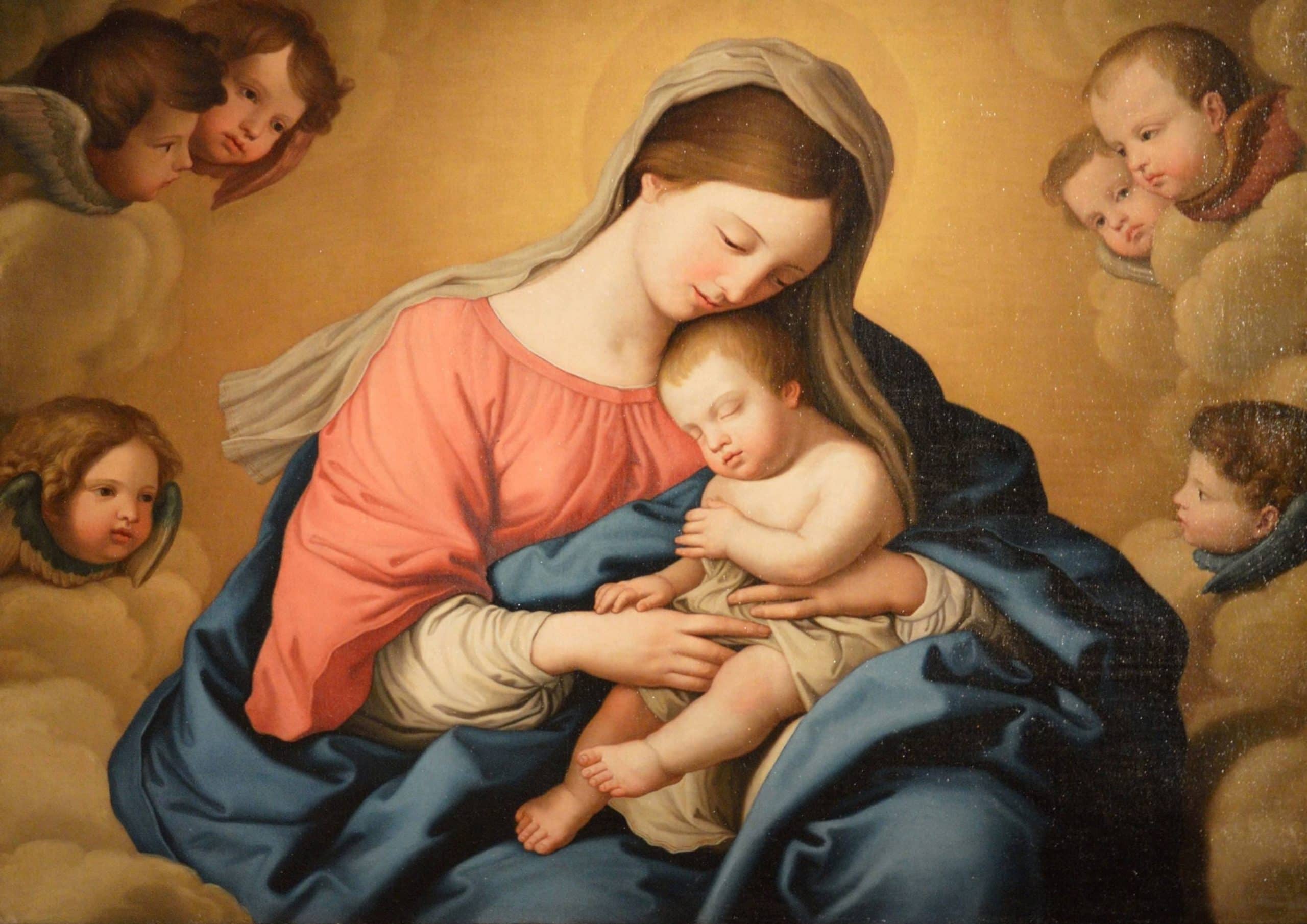
Because a mother can love her child deeply. She can care desperately. She can sacrifice everything. She can pray for that child every night. And still be unable to see the child who is actually standing in front of her.
She may only see the child she is trying to save. The child she is trying to fix. The child she is trying to protect from the life she fears. The child she is trying to make into someone who will be okay.
And perhaps this is where love becomes conditional without anyone consciously deciding to make it so.
I love you – therefore I need you to be safe.
I love you – therefore I need you to make the right choices.
I love you – therefore I need you to obey.
Perhaps the deeper question is not whether mothers love their children. The question is: What have we been taught that love is?
But what if unconditional love begins precisely where that “therefore” ends?
What if I can love you without needing you to become anything for me?
What if I can care for you without confusing care with control?
What if I can guide you without owning the direction of your life?
What if I can be afraid for you without making my fear your cage?
And what if one of the hardest things a mother can learn is that loving her child does not give her the right to decide who that child is?
I know this confusion because I have lived it. On paper, my stories might look like problems for the privileged – small domestic dramas, emotional misunderstandings, nothing “serious.” But to me they were real. They were the architecture of a world where the person who claimed the highest moral ground also held the power to harm.
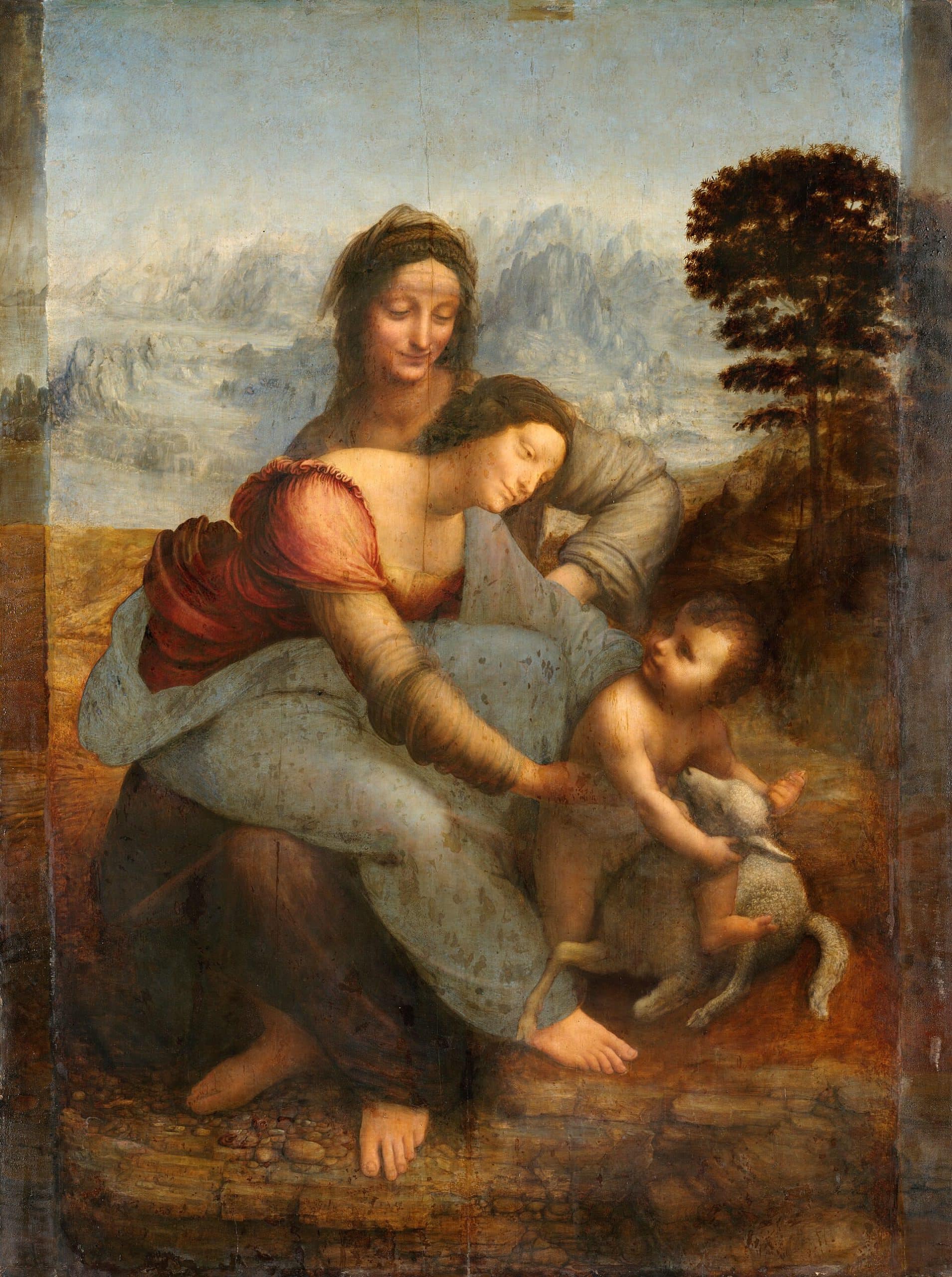
Some mothers make themselves unattackable by claiming the absolute position of unconditional love. In that role, they are pure, superior, beyond reproach, beyond critique. Their love becomes a moral shield, a status that places them above ordinary human accountability. Once they occupy that elevated role, any attempt to name harm becomes reframed. You cannot confront someone who has declared themselves the moral apex of the relationship. This is their trump card.
But behind that sanctified façade, there can be another reality entirely – retaliative, punishing, mean, capricious, despotic, narcissistic, selfish, bullyish, competitive, vindictive, intrusive, violent, abusive.
This is the hidden architecture:
• Retaliation when challenged
• Punishment for disagreement
• Caprice disguised as emotional sensitivity
• Despotism masked as guidance
• Narcissism framed as devotion
• Intrusion justified as care
The contradiction is not accidental. It is a self-justifying loop: The claim of purity whitewashes the cruelty; and the cruelty forces them to cling to their claim of purity. And the child is trapped between the two images, forced to reconcile what cannot be reconciled.
Some mothers make themselves unattackable by claiming the absolute position of unconditional love. In that role, they are pure, superior, beyond reproach, beyond critique.
This is the picture I’m painting: a system where the mother’s self image is sacred, their behavior exempt, their harm reinterpreted, their authority absolute – and the child’s reality negotiable.
This is not confusion born from the child. It is confusion engineered by the parent’s dual role: the untouchable saint and the unquestioned tyrant.
There was a night when my mother attacked me in my sleep – she went for my throat while I lay there defenseless, half blind without my glasses. She was upset about me and couldn’t sleep, so in her logic, I shouldn’t sleep either.
Another time, while I was in a relationship, she created a contact ad for me without my knowledge or consent. I was already an adult. Later, she did it again.
Once, during an argument about simple facts, she felt “disrespected” and kicked me out of her house.
The list is long. But the pattern is simple: her way or the highway. And always, somewhere behind it, the same justification: One day, you’ll thank me. One day, you’ll understand me. You will understand when you are a mother yourself.
Meaning: What could you possibly know about unconditional love? What could you possibly know about how deeply a mother loves?
Motherhood itself becomes the absolute. The mother’s love is presumed to be so profound that it overrides the child’s experience of it.
And this is what makes me want to scream about the collective story we tell around motherhood. The inversion goes almost completely unrecognized. We talk endlessly about how deeply mothers love their children. But we rarely ask what else, besides love, may be driving a mother’s actions.
Because a mother can be profoundly unconscious of her own emotions, motives, agenda, fears, expectations, past wounds and conditioning. She may not experience them as any of those things. She experiences them as care.
Her worry becomes care. Her fear becomes care. Her expectations become care. Her disappointment becomes care. Her anger becomes care. Her need for control becomes care. Her inability to tolerate her own emotions becomes care. Her unresolved past becomes care.
And because she calls all of it love, she may never have to look underneath it.
She steps into the role of the authority figure her younger self desperately needed – not to share power, but to finally control it. By holding all the cards, she protects herself from ever feeling small, helpless, or at the mercy of someone else again.
This is a system where the mother’s self image is sacred, their behavior exempt, their harm reinterpreted, their authority absolute – and the child’s reality negotiable.
Here is what that dynamic really means:
• Creating an untouchable sanctuary: Growing up without a safe or competent authority makes feeling helpless terrifying. Becoming the absolute boss ensures no one can ever push her around again.
• Bypassing the risk of equality: Real relationships require vulnerability, compromise, and negotiation – all of which feel dangerous to someone who was powerless as a child. Being superior means never having to lower her guard or risk being overruled.
• The tragedy of “forever”: She hopes this setup will heal the old wound permanently. But because it relies on dominance rather than genuine connection, it keeps her locked in the very trap she is trying to escape: isolated, endlessly vigilant, and unable to trust anyone else to stand beside her.
In short: The mother tries to heal a childhood trauma by becoming the invincible adult, using absolute control as a substitute for safety.
She doesn’t have to ask:
Am I trying to make my child feel better – or am I trying to make myself feel better?
Am I protecting my child – or am I protecting myself from what I cannot bear?
Am I listening to my child – or am I trying to get my child to agree with me?
Am I loving the person in front of me – or the person I need my child to be?
She doesn’t have to ask: Is this actually for my child?
This is where “love” can become a remarkably effective hiding place. Because nobody wants to question a mother’s love. Especially not the child.
The child is told: She only does it because she loves you. She worries because she loves you. She is hard on you because she wants the best for you. She sacrifices everything for you. You’ll understand when you’re a mother.
And so the child learns to mistrust their own experience. Something hurts. But it is called love. Something feels controlling. But it is called care. A boundary is violated. But it is called protection.
You say no. But it is called disrespect. You disagree. But it is called ingratitude. You want something different. But it is called not knowing what is good for you.
But what if we have got something fundamental backwards?
What if the assumption that mothers automatically know how to love unconditionally is one of the very things that prevents them from ever learning – and it has to be learned or rather relearned – what unconditional love actually is?
Because unconditional love is not: I love you so much that I have the right to decide for you. It is not: I know what is best for you because I am your mother.
It is not: You will understand me one day.
And it certainly isn’t: You will become grateful for the things I did to you because I did them for your own good.
That is not unconditional love.
That is love with conditions that have become invisible to the person imposing them.
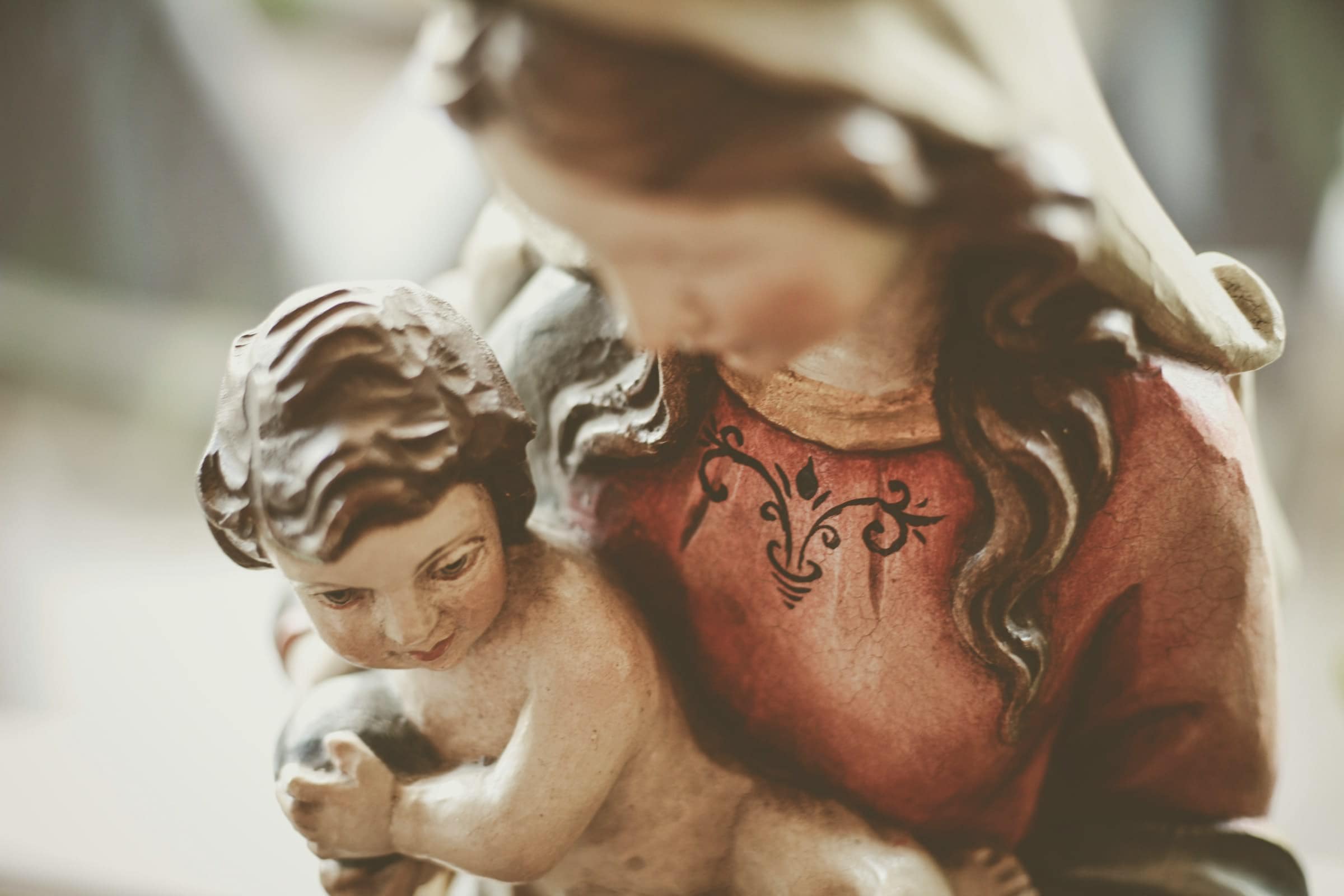
Image Credit: Wolfgang Rottmann
This is where “love” can become a remarkably effective hiding place. Because nobody wants to question a mother’s love. Especially not the child.
And here is the part that I almost never hear being narrated:
What if it is often the child who loves unconditionally?
The child doesn’t choose their mother. They don’t get to interview her. They don’t get to decide whether she is emotionally mature, self-aware, kind, controlling, wounded, frightened, manipulative, generous, absent, intrusive or loving. They get her. And then they spend years trying to understand her. They make excuses for her. They accommodate her. They learn her moods. They learn what will trigger her. They learn what will make her happy. They learn what must not be said. They learn how to stay connected. They learn how to love the person they have been given. And even when they finally begin to see the things that hurt them, there can still be love.
That is the strange thing. A child can say: You hurt me. And still: I love you.
A child can say: I don’t want you to do this anymore. And still: I love you.
A child can finally say: I will not live by your rules. And still: I love you.
That, to me, comes much closer to unconditional love.
Not because children are inherently more loving than their mothers.
Not because children should tolerate abuse.
And not because a child should remain loyal to a parent at any cost.
But because love does not require agreement. It does not require compliance.
It does not require the other person to become who you need them to be.
Love does not require agreement. It does not require compliance. It does not require the other person to become who you need them to be.
Perhaps that is the real test.
Not: How much are you willing to do for someone you love?
But: Can you love someone without needing them to be different?
Because sometimes what a mother calls love is simply the enormous effort she is willing to make to get her child to become the person she believes that child should be.
And sometimes what the child has been trying to say all along is much simpler:
You don’t have to do all of this for me. Just let me be me. Because who I am is already within me.
It doesn’t need to be engineered, corrected, or controlled. It only needs space.
All you have to do is what you are resisting most: Trust.
Trust that your sense of success does not have to come from motherhood. Trust that you can bear what you think you cannot bear. Trust that who your child becomes is not a reflection of you, but an expression of them. Trust that your child’s life is not a report card on your worth.
This is the uncomfortable truth that authoritarian parenting, retaliatory reactions, and the moral shield of “unconditional love” are designed to keep out of sight. The child’s plea is not rebellion. It is not disrespect. It is not ingratitude.
It is simply the request to be allowed to be.
You may also like

The Real Reason Your Dreams Are Failing (And It’s Not What You Think)
Even if you’re not a tennis fan like I am, I thought that Madison Keys' recent Australian Open win…
Lady Gaga – Beyond positivity, the necessity of embracing our shadows
If you cannot accept your shadows or learn to integrate them, your light will never be as bright as…

Why do children kill their parents?
When a child kills their parents, the public reflex is to look for madness. A monster. An anomaly.…