
Part 2 — Louis C.K.: When Humanness Becomes Unforgivable
Why honesty unsettles us more than a hidden shadow

Jamison Foser, CC BY 2.0
This is part 2 of a three-part-series. In case you missed the previous part: Part 1 — Louis C.K. and the Split Between High and Low
What made the case around Louis C.K. so touchy was not only the misconduct itself. It was that it collided with a culture that desperately wants purely bad villains and purely good victims because it’s easier. Because looking deeper is uncomfortable and messy. It touched something we, as a society, don’t know how to metabolize: a human being openly admitting to their own darkest parts.
We live in a world that is often less about truth and more about maintaining an image.
How many public figures accused of sexual misconduct actually step forward and say: yes, it is true?
Most defend themselves. Most minimize. Most hide behind lawyers, PR teams, technicalities, counteraccusations, or carefully engineered apologies.
Louis C.K. owned up to it — publicly. And strangely, that honesty seemed to unsettle people more than a denial would have. We live in a world that is often less about truth and more about maintaining an image. The squeaky-clean image. There is an idiom in German — the “white vest” — that perfectly describes this: the idea of a self that is completely untarnished, without a single spot or stain.

Image Credit: Friedrich Haag, CC-BY-SA-4.0
We crave moral certainty because it protects us from having to look too closely at our own ambiguities.
Once that “white vest” becomes sacred, admitting to wrongdoing starts to feel almost more unforgivable. It’s the confession that breaks the illusion. It reveals the messy reality we try to ignore: that a human being can be educated and immature at the same time. Self-aware and unconscious. Capable of care and capable of harm. It destroys the fantasy that people are either pure or monstrous.
We aren’t comfortable with ambiguity. We crave moral certainty because it protects us from having to look too closely at our own ambiguities.
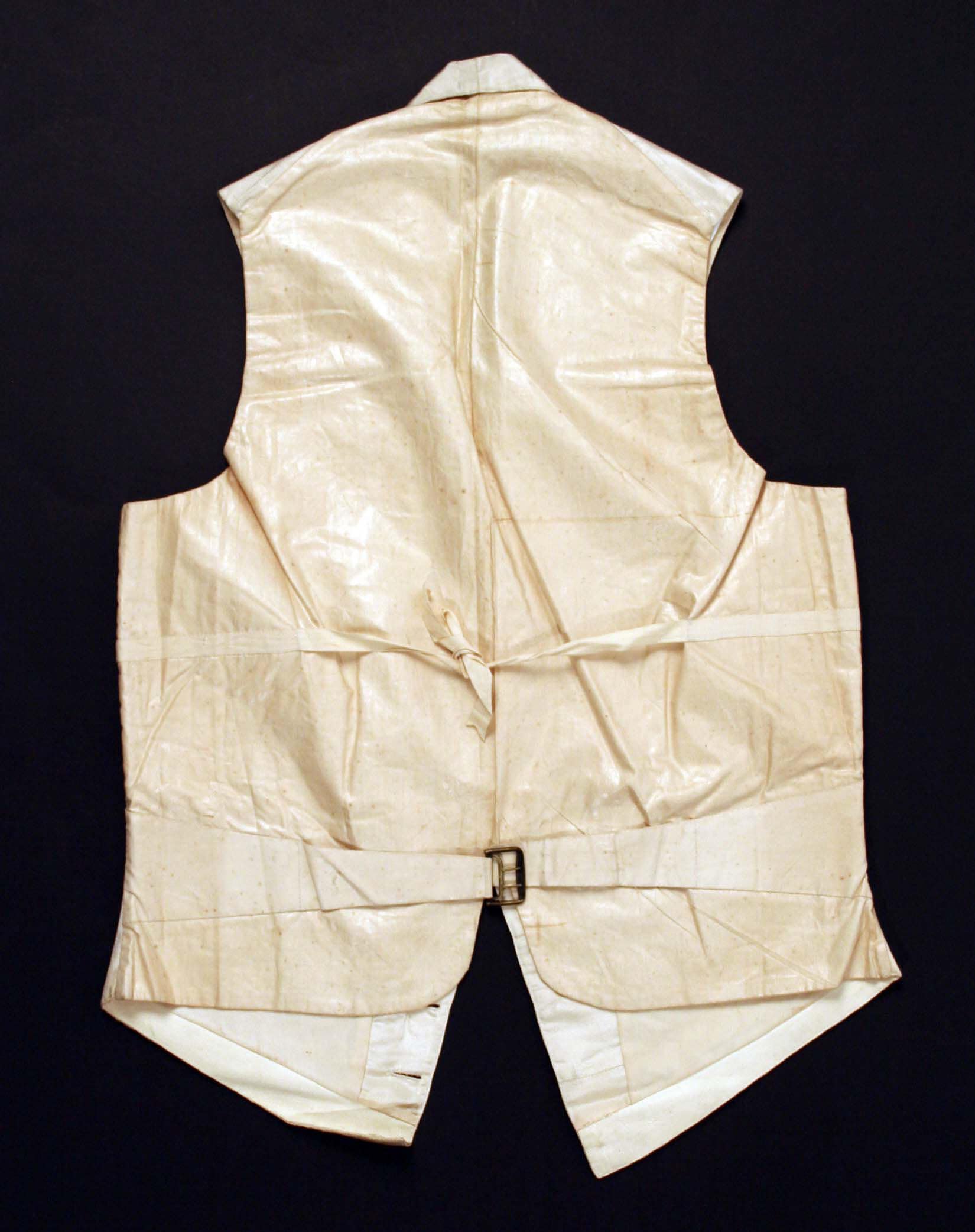
Image Credit: Friedrich Haag, CC-BY-SA-4.0
Human in the sense of being messy, contradictory, and driven by impulses, capable of poor judgment and of causing real harm
Ironically, Louis C.K. may have done the most deeply human thing possible: he admitted to being human.
Not “human” in the polished inspirational sense people like to celebrate — but human in the sense of being messy, contradictory, and driven by impulses, capable of poor judgment and of causing real harm.
But instead of recognizing this as a shared human reality, many reacted as though admitting to that “shadow” meant he no longer deserved to belong. Or worse — as though even acknowledging the value of his honesty would cost them their own seat at the table. There is a fear that if we don’t distance ourselves completely, we might be stained by association.

Image Credit: Friedrich Haag, CC-BY-SA-4.0
When someone acknowledges their shadow, it doesn’t bring us relief — it makes us want to push it out of sight. We treat the confession as reason to justify our act: “You confessed to the flaw, you’re no longer one of us.” It’s a way for society to cast out the “messy” parts of humanity so we can pretend they don’t exist in the rest of us — so we can tell ourselves, “We are not like him.”
Someone who has acknowledged their humanity cannot belong among humans. That is the inversion. That is the hidden “logic.”
We say we want accountability, but what we often actually want is purification.
Someone who has acknowledged their humanity cannot belong among humans.
Instead of using these moments to examine what actually produces harm — shame, suppression, disconnection, conditioning — we often collapse everything into punishment. Not understanding. Not restoration. Not inclusion. Punishment.
As though permanently excluding flawed humans will somehow make humanity pure.
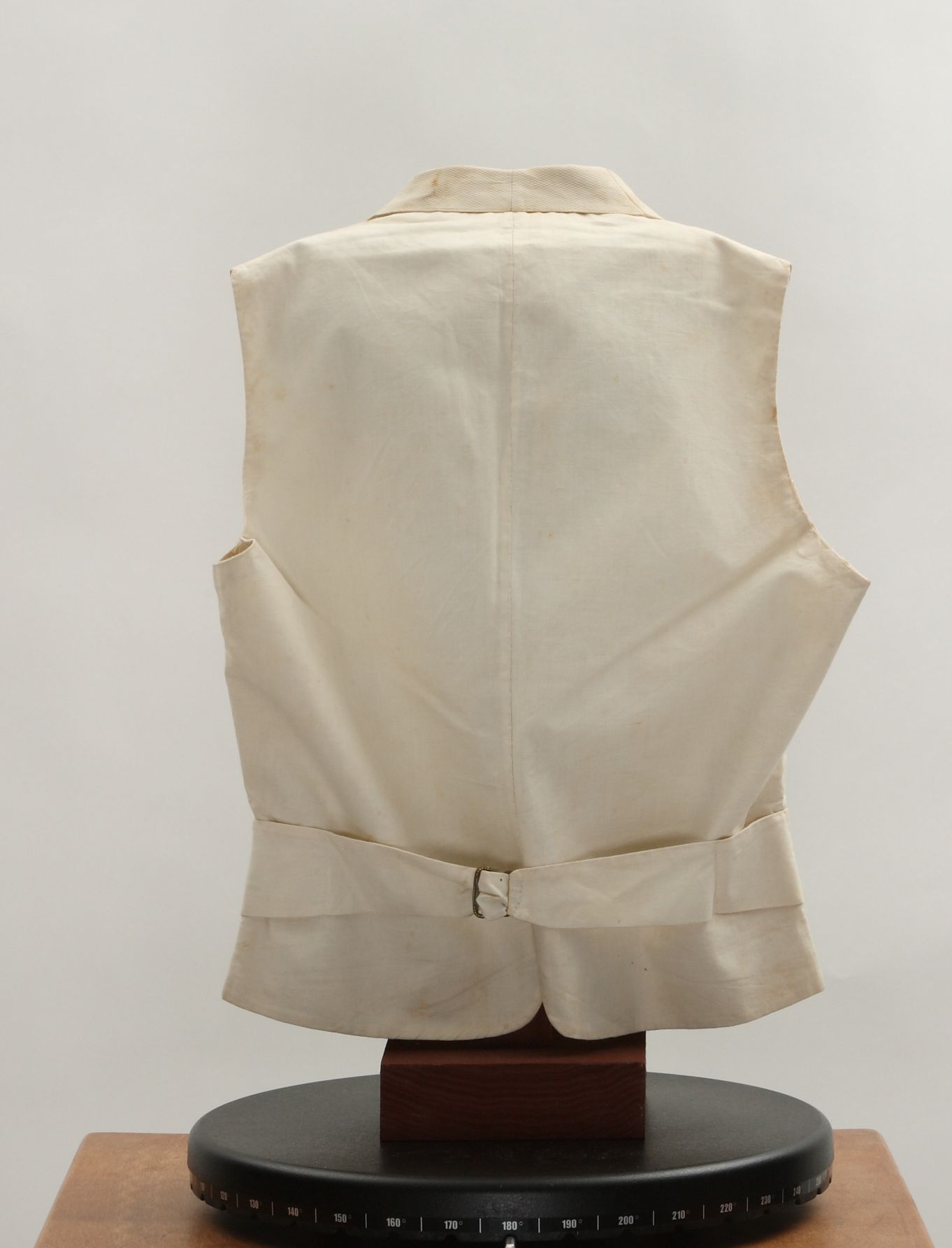
Image Credit: Friedrich Haag, CC-BY-SA-4.0
There is a quiet danger we overlook: the person who is honest about their shadow is often far less dangerous than the one who spends their entire life pretending they don’t have one.
Because a shadow that is denied doesn’t just go away. It goes underground. It becomes disguised. Rationalized. Projected onto everyone else. Acted out unconsciously — all so the self-image can stay intact.
A shadow that is denied doesn’t just go away. It goes underground.
Because a shadow that is denied doesn’t just go away. It goes underground. It becomes disguised. Rationalized. Projected onto everyone else. Acted out unconsciously — all so the self-image can stay intact.
A society obsessed with purity does not actually become more humane. It just becomes more performative. We don’t learn how to be honest; we learn how to look innocent. This creates a dangerous incentive: if admitting a mistake leads to permanent exile, then lying becomes psychologically safer than the truth.
So people learn to hide better. We fragment ourselves to survive. Because, for most of our history, belonging was tied to survival. Exile meant death, and our nervous systems still remember that.
That is why public shame feels so annihilating, and why a genuine confession is so rare. It’s not that people don’t fail — we fail constantly. It’s that we instinctively understand that once our shadow becomes visible, society often stops seeing us as human at all.
You may also like

Christopher Nolan’s Heroes Keep Saving the World – But Losing Home
There is a story I once heard during my years studying Tibetan Buddhism under one of its most…

The same system that shaped Harvey Weinstein also shaped the women in his orbit — and the people who raised him
Trigger warning: If you have been a victim of sexual assault or if you're a mother, this essay…
Part 1 — Louis C.K. and the Split Between High and Low
After years of what can only be described as cultural exile — touring outside the center of…