
Where love is conditional – the cycle of never feeling good enough
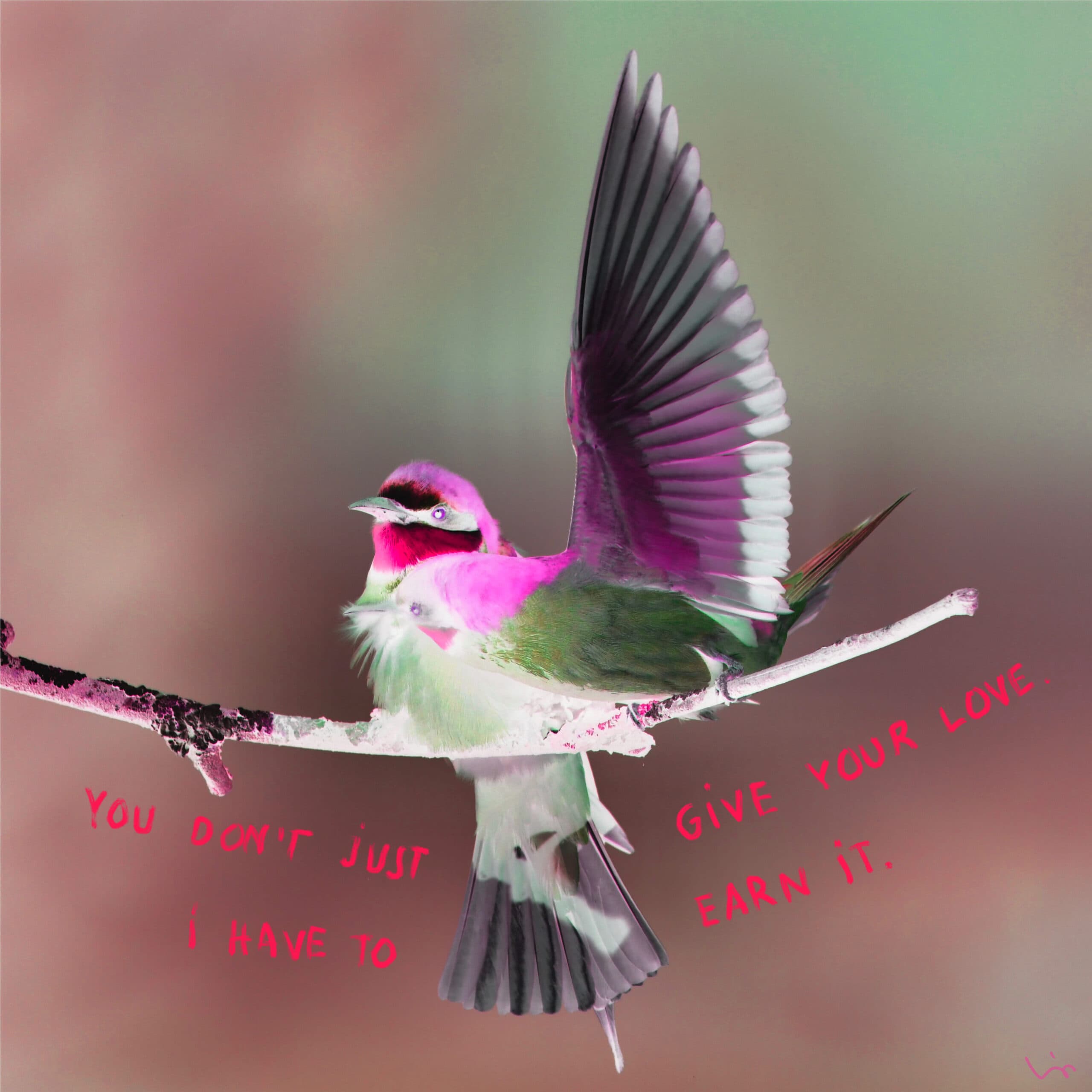
Conditional love means that affection, acceptance, and validation are contingent upon meeting certain conditions or expectations. It often creates a sense of pressure and uncertainty, leaving us constantly striving to prove our worth. It’s as if our value as individuals hinges upon meeting someone else’s criteria or living up to their standards. This can be exhausting and even damaging to our self-esteem.
In relationships where love is conditional, it often feels like we’re walking on a tightrope, fearing that one misstep or failure will lead to a withdrawal of affection. We might find ourselves constantly seeking validation, desperate to meet the expectations set before us. It can be emotionally draining, as our happiness becomes intertwined with the approval of others.
The problem with conditional love is that it denies us the fundamental need for acceptance and unconditional support. It puts the burden on us to constantly prove ourselves and meet the demands of others, creating a cycle of never feeling good enough. This kind of love fails to acknowledge and appreciate our inherent worth as individuals.
In relationships where love is conditional, it often feels like we're walking on a tightrope, fearing that one misstep or failure will lead to a withdrawal of affection
However, it’s important to remember that conditional love often stems from the insecurities and experiences of the person offering it. They may have learned to associate love with certain conditions themselves, or they might be projecting their own unmet needs onto others. Understanding this can help us develop empathy and compassion while it doesn’t excuse the negative impact it can have on us.
You may also like

The Golden Carrot — Acknowledging That You Think You’re Owed
What keeps us bound to the people who hurt us is not always what we think it is. The love may be…

Adaptation – From Being to Functioning
When you were a child, you were rooted. You couldn’t leave the environment you were born into, no…

A Guide for the Inner Cleanup After You Walk Away From Dysfunction
Leaving a dysfunctional environment or relationship is the first step. But the real work begins…