
Leylah Fernandez and the Viral Coaching Moment That Sparked Debate
Part 1 — When Coaching Becomes Shame-Based "Motivation"
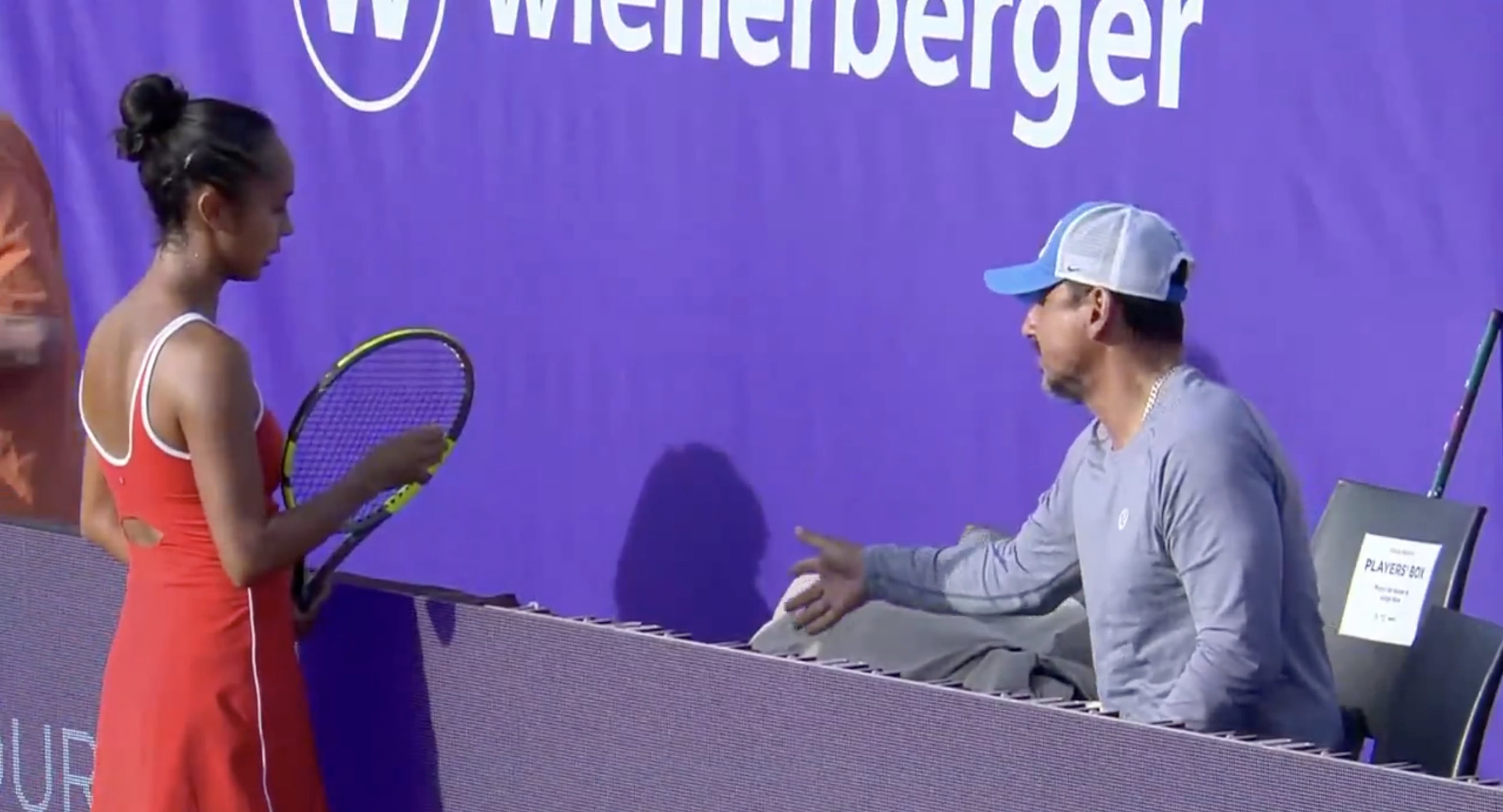
Anyone who watched the viral coaching moment with Leylah Fernandez probably felt a knot in their stomach. It wasn’t just that a coach got frustrated — that happens all the time in tennis, where you’re forced to sit on the sidelines and watch momentum slip away.
What made it so hard to watch was the underlying dynamic.
This wasn’t just a coach talking to an athlete. It was a father talking to his daughter. And the second criticism crosses the line into humiliation, it’s no longer coaching.
Fear, shame, and humiliation have never been effective performance strategies.
During an on-court coaching, her father’s words were caught on mic: “You just don’t want to listen,” and “Do you actually want to play tennis, or not?” “She’s making Grand Slam quarterfinals; something you haven’t done in the last four years.”
This is exactly where coaching crosses a quiet, dangerous line. These aren’t tactical instructions, adjustments or strategies to win the next game or the match — they are personal attacks on her character, worth, commitment, obedience, and failure.
It reduces a complex situation down to a painful insinuation: If you don’t care enough to do exactly what I say and to win, you aren’t worthy of approval.
The reality is that athletes rarely collapse under pressure because they suddenly stop caring. Usually, it’s the exact opposite — they care so much that the weight of it takes over.
Fear, shame, and humiliation have never been effective performance strategies. Instead of motivating an athlete, fear is the very thing that paralyzes them. The moment a player becomes terrified of making a mistake, disappointing their coach, or failing publicly, everything changes. Their natural instincts tighten up. Creativity and risk-taking disappear. Instead of just playing the match, they are trapped in their own head, repeating a stressful internal loop: Don’t mess up. Don’t disappoint. Don’t get yelled at. Prove you want this.
The second criticism crosses the line into humiliation, it’s no longer coaching.
Once that shift happens, you can see it in their body. They are no longer playing to win; they are playing defensively just to survive.
This is exactly what W. Timothy Gallwey explored decades ago in The Inner Game of Tennis — the conflict between the body’s natural, trained instincts and the anxious, micromanaging mind that tries to force them.
An athlete at this level already knows how to play. Their body knows the court inside out; the swing, the timing, and the rhythm are already wired into their muscle memory through thousands of repetitions.
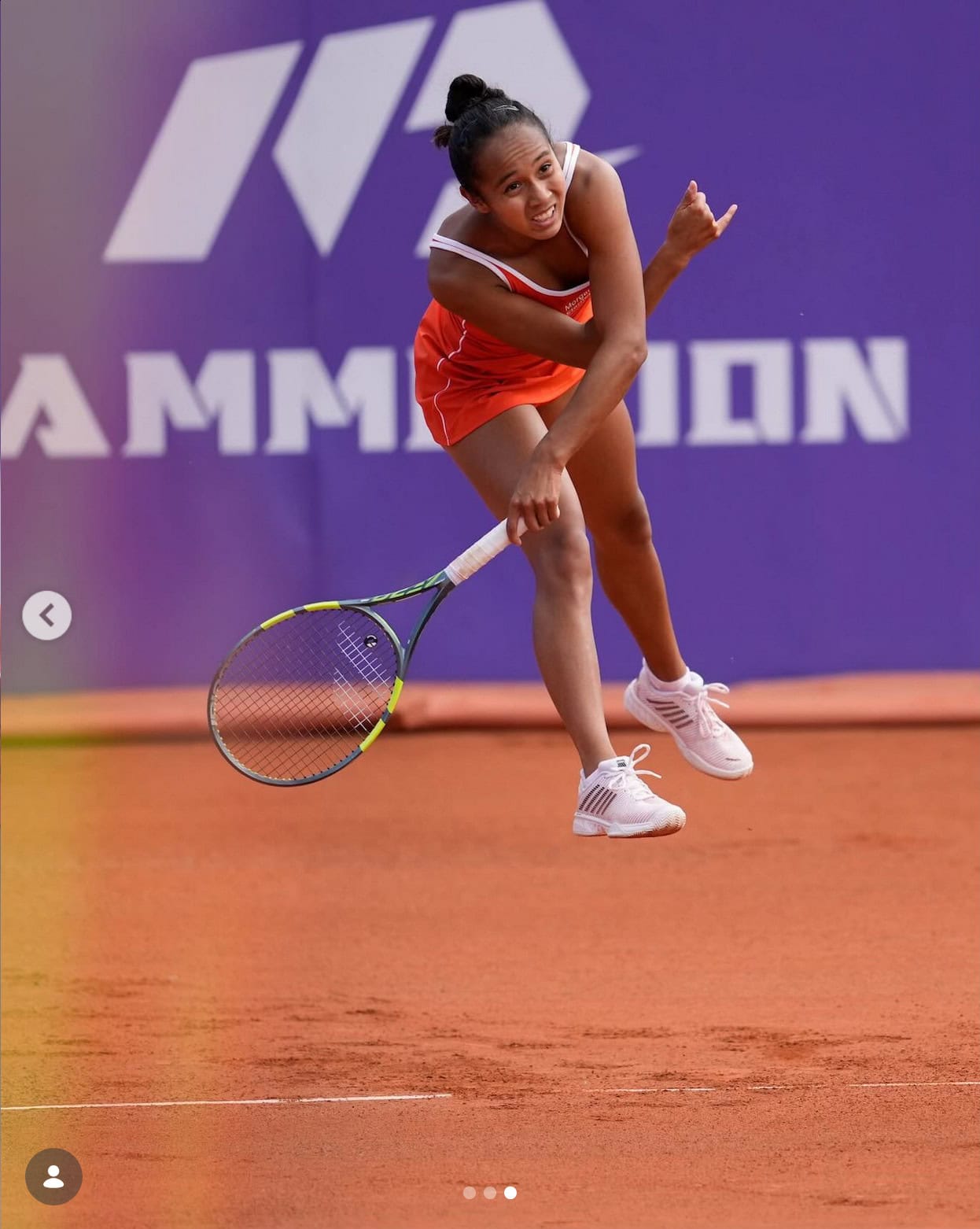
Image: @leylahfernandez, Instagram
They are no longer just playing a game; they are trying to prove their worth.
But fear breaks that trust. When a coach asks, “Do you actually want to play tennis, or not?” it forces the athlete out of their natural flow and into a defensive headspace. They are no longer just playing a game; they are trying to prove their worth. They start watching themselves from the outside, overthinking every move: Keep your arm straight. Don’t miss. Show them you care. Suddenly, a movement that should be effortless becomes heavy and mechanical. The muscles tighten under the weight of self-control, timing disappears, and the body loses the fluid openness it needs to perform.
It’s one of the great ironies in sports: we still want to believe that intense pressure creates excellence, when more often than not, it just creates paralysis.
It’s one of the great ironies in sports: we still want to believe that intense pressure creates excellence, when more often than not, it just creates paralysis.
None of this means the father’s frustration came from nowhere. Coaches and parents are only human. It is not easy to sit on the sidelines feeling helpless, and that panic can quickly morph into anger. It’s a common pattern: when we feel powerless, we protect ourselves by pointing fingers. If the player is the problem, the coach doesn’t have to face the possibility that they are failing. In a way, he was stating a basic fact of the game: there are always opportunities. That’s not just true in tennis; it’s true in life. But knowing opportunities exist is different from being able to seize them, particularly in a high-stress moment. Reminding an athlete of that through humiliation doesn’t open doors — it just closes them.
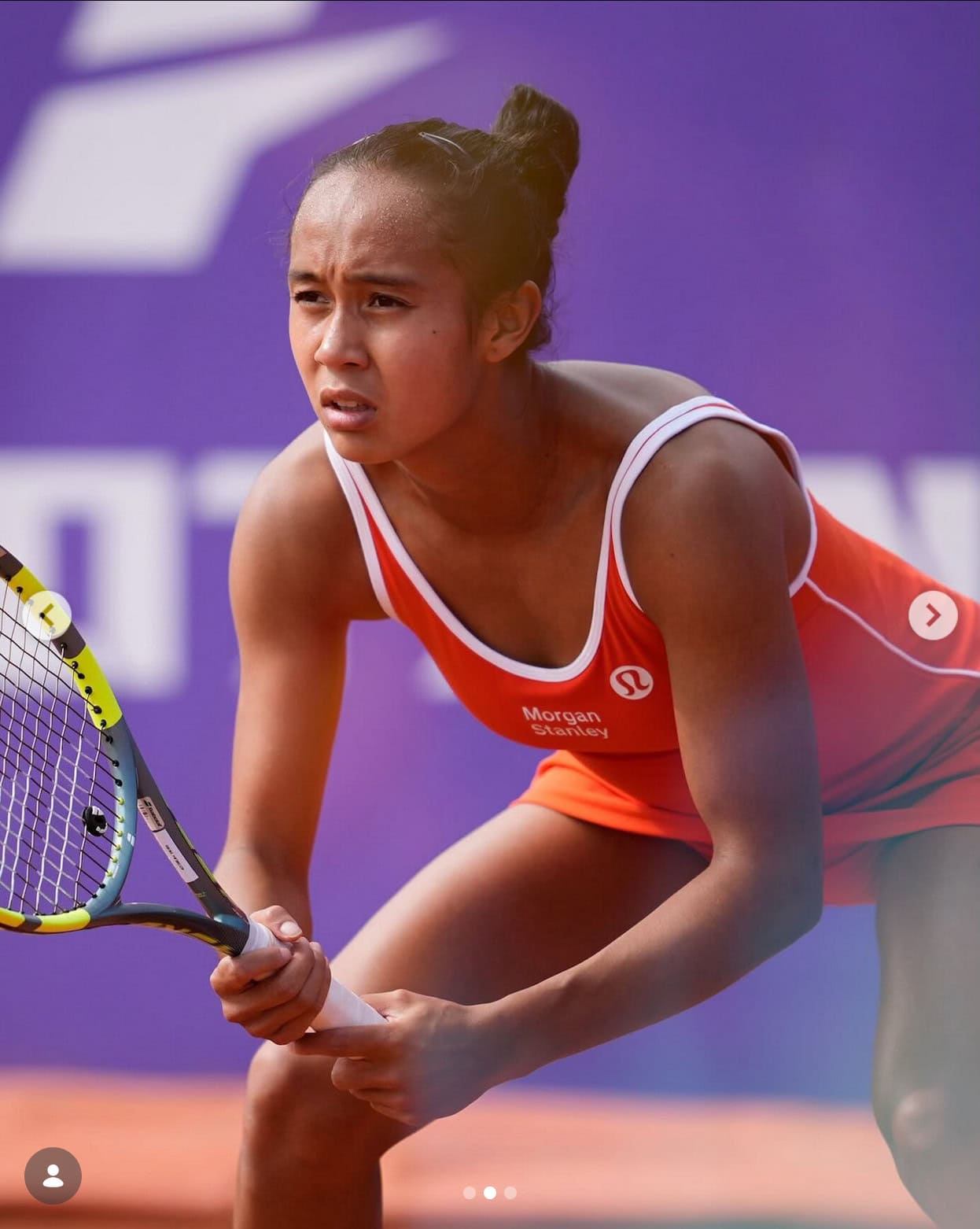
Image: @leylahfernandez, Instagram
When a coach is also a parent — as in Leylah Fernandez’s case — the burden on the athlete can be immense. They aren’t just carrying one weight. They are carrying two.
The first is the match itself — the pressure, the exhaustion, the decisions that have to be made in fractions of seconds, in front of crowds, under conditions that cannot be fully prepared for.
The second is the emotional state of the parent watching. Their frustration. Their disappointment. Their helplessness. Their ambition. Their identity.
That changes everything. The moment a child feels like love, approval and emotional safety depend on winning, the sport stops being a game and becomes a matter of emotional survival.
Comparing her to her opponent — reminding her that the other player is making Grand Slam quarterfinals while she hasn’t in four years — turns a live match into a public measurement of her worth. It shifts the entire goalpost. Performance is no longer about testing your skills; it’s about avoiding a reminder that you’re falling short. When this happens, the athlete is forced out of the game and into a state of self-preservation.
Pushing someone through shame can produce hard work and obedience in the short term, but it robs them of the fluid openness they need to win. To excel at this level, you have to be able to improvise, bounce back from mistakes, and stay grounded in uncertainty. But when you feel like a loss means a loss of love or safety, you start micromanaging your every move. You’re no longer focused on the game; you’re focused on your own potential failure, which leaves you anxious, perfectionistic, and totally disconnected from the instincts that got you there in the first place.
Parents can unconsciously begin treating their talented children exactly like remote controls — as extensions of their own ambitions, their own identities, or their own need for success.
Execution in sports isn’t theoretical. It is always easy to call the shots from the sidelines, but tennis isn’t played on paper. Tennis happens under intense stress, exhaustion, adrenaline, and split-second decisions. Athletes aren’t remote controls. They are reading a constantly shifting environment, making choices a coach simply cannot make for them from the stands.
Yet, parents can unconsciously begin treating their talented children exactly like remote controls — as extensions of their own ambitions, their own identities, or their own need for success. When this happens, the athlete is forced to play two games at once: one with the opponent across the net, and one with the parent in the stands. Trying to win a professional match while simultaneously managing your parent’s emotions completely changes the experience of competing. At this level of competition, that divided focus is a heavy psychological tax. This dynamic is incredibly difficult to untangle because it rarely comes from a bad place. The passion and the investment are genuine. But it’s easy to confuse believing in your child with projecting your own needs onto them, especially when they feel identical from the inside.
Love without boundaries can still be incredibly damaging.
At that point, the child stops being seen entirely as a person. They become a vehicle for someone else’s ambition, redemption, or proof — carrying a weight they never chose and that was never explicitly handed to them. But they carry it anyway, and in most cases, they have been carrying it for a very long time, long before the cameras ever arrived to make the dynamic visible to the rest of us.
This isn’t to say the parent doesn’t deeply love their child. Often, the relationship is so enmeshed that healthy boundaries simply disappear. But love without boundaries can still be incredibly damaging. In professional sports, where extreme sacrifice and emotional intensity are completely normalized, these unhealthy dynamics easily hide behind the familiar excuse of “wanting the best” for someone.
The tragedy is that athletes don’t thrive under fear; they thrive when they have the freedom to remain open. Growth needs space. To play well, an athlete has to be open to making mistakes and taking risks. Fear takes away that space, and without room to breathe, a player can’t truly thrive.
This is part 1 of a three-part-series.
Part 2 goes into the belly of the whale. Continue reading: The Hit We Get from Kicking Down
You may also like

Madison Key’s universal insight that applies to every area of life
Madison Keys, once expected to be one of tennis' greats, won her first Grand Slam just shy of 30. A…

Most people don’t get what Aimee Lou Wood’s line in White Lotus really means
What does Aimee Lou Wood’s line in White Lotus - “You are the victim of your own decisions” -…

Breaking the Illusion: Jennifer Lopez Opens Up About Her Struggles with Low Self-Esteem
When you think of Jennifer Lopez, what comes to mind? Glamour, success, and the kind of confidence…