The Hit We Get from Kicking Down
Part 2 — The Easy Question: Upper Hand or Hard Work of Maturing?
Image Credit: Wellcome Images, CC BY 4.0
This is part 2 of a three-part-series and can be read on its own. Part 1 is where it began: Leylah Fernandez and the Viral Coaching Moment That Sparked Debate
In relationships with a power imbalance — like between a boss and an employee, a coach and an athlete, or even a parent and a child — stress reveals a raw truth that is far uglier than we like to admit.
When things go wrong, the person in power isn’t just frustrated with a bad result. Deep down, it feels as if they are losing ground — a terrifying sense that they are losing control, falling behind, losing their impact, and losing significance. They feel helpless, and for some people, sitting with that feeling of helplessness is unbearable.
The other person becomes a lightning rod we use to discharge our own anxiety so our system can finally settle.
At that point, we’re no longer focused on guiding the person underneath us — our own discomfort takes over, and the only thing that matters is stopping the panic from rising. We’re desperate for a pressure valve. It is not about teaching the other person anything; it’s about our overloaded nervous system looking for somewhere to dump the charge. In that moment, the other person becomes a lightning rod we use to discharge our own anxiety so our system can finally settle.
The person underneath us — whether it’s a child, an athlete, a student, an employee, or a patient — becomes the easiest and the most available target for this, simply because the relationship leaves them vulnerable. They depend on us, and lack the freedom to defend, push back or walk away. And because the power is entirely on our side, our natural sense of inhibition lowers — simply because we know the relationship can tolerate our worst behavior without breaking. We know we can escalate because there are no immediate consequences for us. We can, quite literally, “kick down.”
The sharper the pain we can inflict, the more undeniable our own power feels.
When we feel invisible, ineffective, helpless, or emotionally flooded, we get desperate to feel our own teeth. Lashing out becomes a way of proving to ourselves that we still matter. That we still have power. That we still can change the reality around us to our will.
This is the exact moment where the conversation turns toxic. It is no longer about resolving an issue; it is about attacking an identity.
We trade useful feedback for insults: “You’re a disappointment,” “Shame on you,” or “Why can’t you be like everyone else?”
We choose the sharpest words possible because we want the strongest, fastest reaction. And the sharper the pain we can inflict, the more undeniable our own power feels. The moment we see them flinch, cry or break, our own sense of impact is restored. We think: Finally, I got through. When a person is drowning in their own helplessness, that sudden hit of absolute control over another human being is a powerful drug. That is why the escalation becomes so hard to stop.
Image Credit: Wellcome Images, CC BY 4.0
Deep down, we usually know exactly what we are doing in these moments. We know when we are forcing ourselves onto someone weaker. What stays hidden from us, though, is why inflicting pain in someone else brings us such immediate relief.
It is a toxic coping mechanism. The tension builds inside us until we can’t contain it, and lashing out becomes the crude way we let the steam out. When we witness the other person break, the relief hits us.
In a matter of seconds, our helplessness flips into force. Our powerlessness is magically transformed into dominance. We successfully offload our emotional instability onto them.
Because that chemical hit of relief is real, the habit locks into place. We keep repeating the cycle, using their visible pain as a drug to quiet our own hidden pain.

This is the dark truth that no one in a position of authority wants to admit: under enough stress, we get a twisted kind of “hit” out of bullying the people below us. When we feel our significance slipping away, forcing another person to crumble restores our sense of existence. It is a quick, intoxicating dose of power, a sudden aliveness, a feeling that we matter again.
When you look at it clearly, so many of our toxic habits are just emotional addictions. They are desperate attempts to fix a miserable feeling inside.
Some people drink. Some shop. Some chase status. Some cheat. And some of us, when we feel completely helpless, use domination. We feed off another person’s pain like a drug to alter our internal chemistry.
This comparison is ugly, but we have to call it what it is because our favorite excuses are comforting lies we tell ourselves. We wrap our cruelty in blankets like “tough love” or “doing what’s best for you.” But deep down, we aren’t unconscious. We know the exact moment we are twisting the knife, just like a gambler knows the exact second they are placing the bet.
The emotional relief of establishing the hierarchy is so potent that it tricks the brain into thinking it is a matter of survival.
Image Credit: Wellcome Images, CC BY 4.0
Admitting that this is an addiction isn’t about self-loathing. It’s about understanding that we are trapped in a toxic way of coping. People don’t use Fentanyl because they love the drug, but because they cannot bear their internal reality without it. This is why otherwise decent appearing people — priests, teachers, parents — can compulsively hurt the very people they are supposed to protect. The emotional relief of establishing the hierarchy is so potent that it tricks the brain into thinking it is a matter of survival.
The mechanics are identical to substance abuse. We look for an external fix to steady our footing. The tragic difference is that our drug of choice is a human being who can’t fight back or walk out the door.
Every time we do that, we stop guiding those in our care and start breaking them.
The more vulnerable person becomes a dumping ground for the emotional trash we simply refuse to carry by ourselves. Having power makes us entitled and attached to comfort so we make the person below us pay the bill. Cruelty flows downward for a simple reason: we can get away with it. We prefer the free relief using another human being over the hard work of regulating ourselves and becoming mature.
But every time we do that, we stop guiding those in our care and start breaking them.
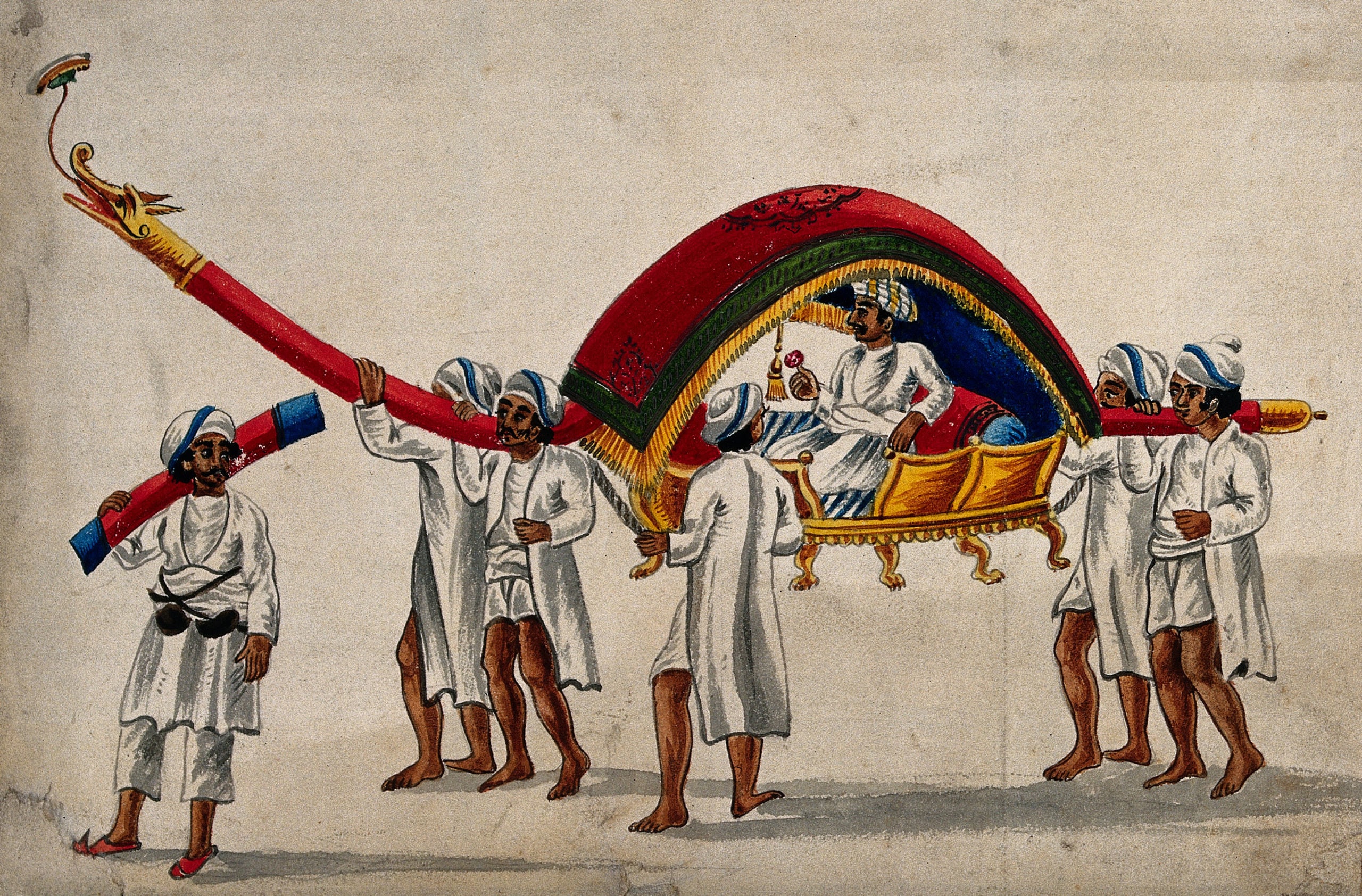
Image Credit: Wellcome Images, CC BY 4.0
Cruelty doesn’t need to leave a physical bruise to be violent. In fact, even when physical violence is involved, the true damage — the deepest, longest-lasting scar — is always the psychological and emotional warfare wrapped inside it. Most of the time, it shows up as the humiliation, the mocking, the shaming, or the subtle digs at who someone is. We use these weapons because they strike at who the other person fundamentally is. They trigger an involuntary wave of fear in the other person’s body that they cannot override.
And this is where a subtle, darker structure begins to appear. It isn’t necessarily fully formed sadism, but it operates on the exact same axis: domination and submission, higher status and lower status, perpetrator and victim.
Seeing them break is the most potent way for us to feel stable again.
When we feel completely powerless inside, we discover a toxic shortcut: forcing our own powerlessness onto someone else creates an instant reversal of positions. Suddenly, we aren’t the weak ones anymore — we are the ones callings the shots.
Their pain becomes our medicine. Seeing them break is the most potent way for us to feel stable again. And once that pattern works over and over, it turns into a compulsive habit we don’t even think about. We will almost always double down on whatever stops our own hidden pain, even when we know it destroys the people we care for.
You may also like
The Scapegoat and The Identified Patient
Every family has an undercurrent of things it cannot hold in the open. This isn't about families…

The Reiner Tragedy — How Families Displace What They Cannot Face
At Nick Reiner's arraignment, one family member showed up. Not to defend him. Not to excuse what he…

The Family: The Prototype – Our First System
Before language, before law, before belief, there was relationship. Every human being enters life…