
The Naked Red Carpet – From Gwyneth Paltrow to Jennifer Lawrence
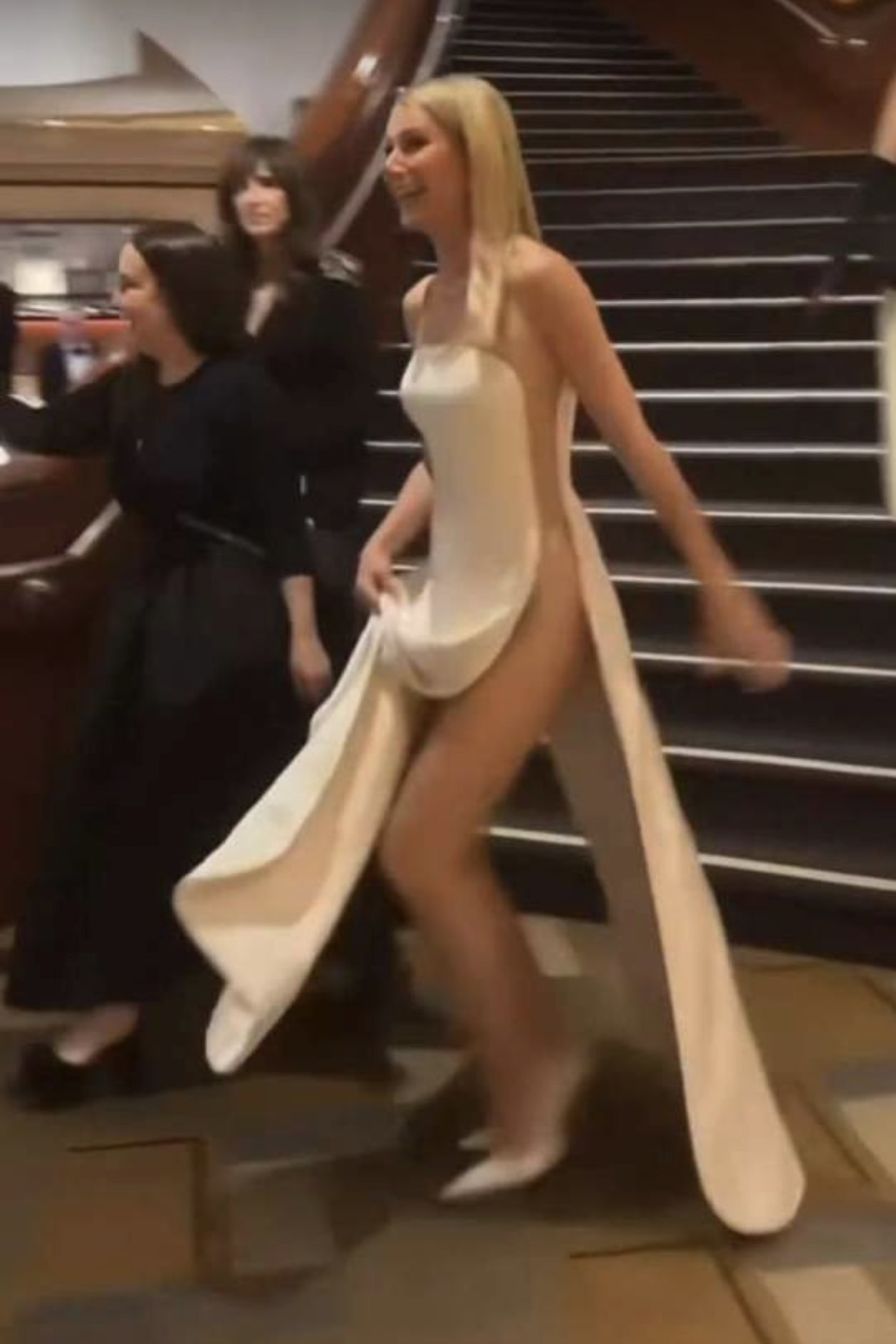
Image Credit: XXSS
Attention is the only currency that matters.
On today’s red carpets, the fabric is mostly an afterthought.
The “naked dress” – sheer panels, visible nipples, no underwear, skin as the primary texture — has moved from a subculture shock tactic to the standard uniform in female celebrity culture.
At the 2026 Academy Awards, we saw Gwyneth Paltrow leaning into cutouts so extreme they threatened a wardrobe malfunction at every turn, with critics questioning if the provocative style was a fit for the seasoned actress.
What used to be shocking ten years ago has become routine. And what was routine five years ago now looks almost conservative. Each season the line moves further.
The logic is simple: Attention is the only currency that matters.
To get the headline, you have to create the gasp. Who dares more exposure. The competition is obvious.
The Applause
We’re often told this is about agency. We say things like confidence, freedom, and owning the body. The narrative usually attached to these looks is female empowerment. And on a personal level, it can certainly feel that way — the rush of being the sun that every camera orbits.
But if you look at it plainly, there’s a strange irony at play. On the most prestigious stages in the world, the most direct route to relevance for a woman is still her body. Not her work. Not her brains. Not her POV. Just the physical shell.
The market hasn’t actually evolved; it just learned to use the language of feminism to sell the same old product: lust.
The Market Never Changed
The market hasn’t actually evolved; it just learned to use the language of feminism to sell the same old product: lust.
The difference today is that the display is framed as choice. And of course it is a choice.
But a choice inside a market that rewards one thing more than anything else. Visibility. And nothing generates clicks faster than the female body.
When the culture offers its biggest rewards (brand deals, trending status, career longevity) for “boldness,” the line between a free choice and market pressure gets incredibly blurry. You’re choosing to play the game, but are you the one who decided what the prize should be?
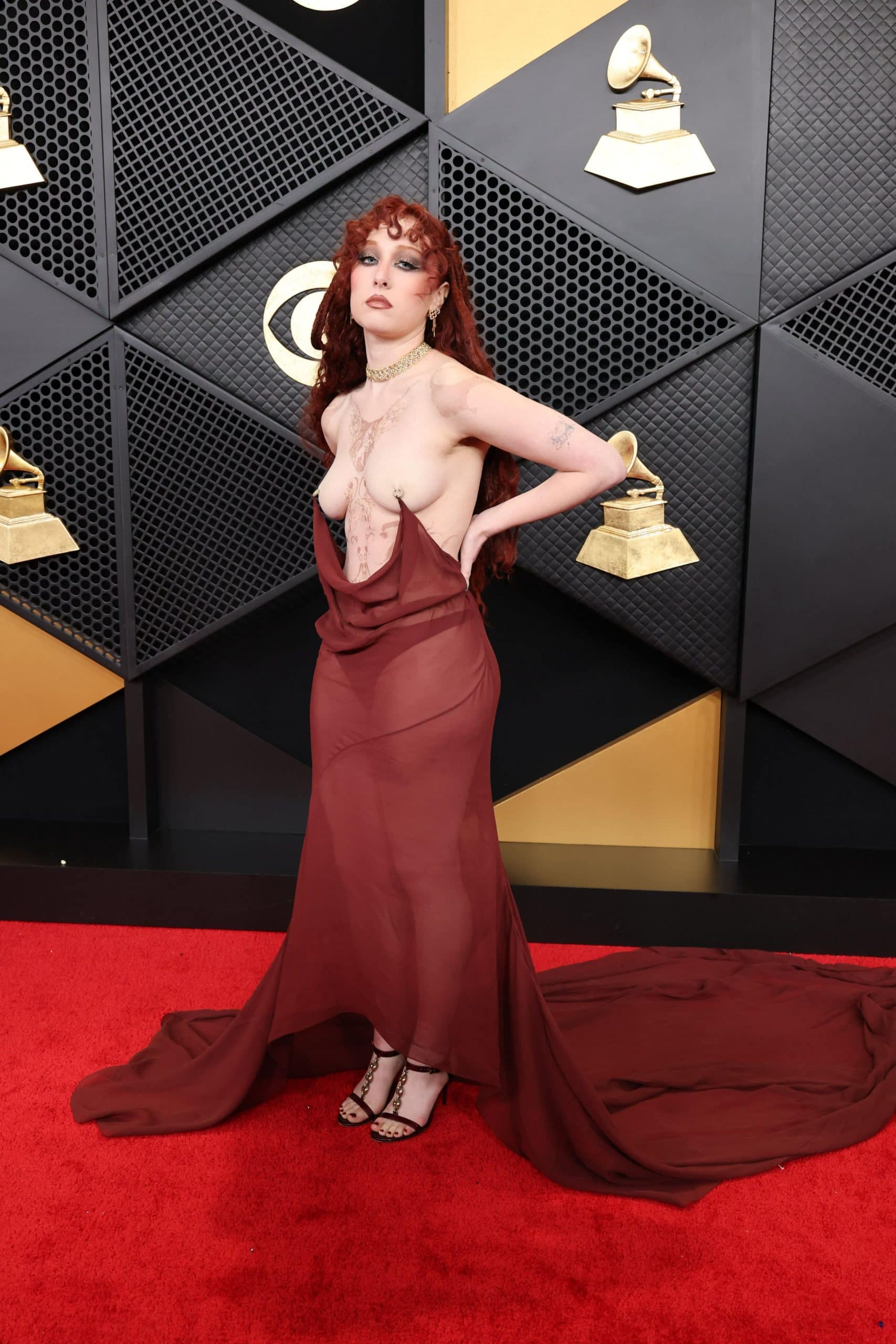
Image Credit: Instagram
The Feminist Paradox
There is a paradox here that no one likes to name.
For decades, feminist movements fought against the commodification of the female body — the reduction of women to objects for consumption.
Yet the current red carpet moment often looks like the most polished, luxurious version of that same commodification. Only now it is celebrated as empowerment.
The system did not change. It simply rebranded.
Self-objectification. It’s the act of using yourself as an instrument. To create emotional impact, to direct desire, and to control through sexuality.
The Illusion of Power
There is a specific, intoxicating high in being the object of desire. When you walk into a room and the air changes because of how you look, when the cameras pivot and the gaze concentrates on you, you feel like you’re holding the remote control. You are directing the attention, the envy, and the awe.
In that moment, it feels like power. The reactions in the room are not random — they are anticipated and deliberately triggered. It is a form of control. But this form of control relies on a very particular mechanism: self-objectification. It’s the act of using yourself as an instrument. To create emotional impact, to direct desire, and to control through sexuality.
And this is where the paradox begins. Because objectification is usually described as something that happens to women — something imposed by the outside gaze. But here the objectification is performed by women themselves.
The woman steps into the position of the object deliberately, because it grants influence over the room. In that sense, it is not submission. It is strategy.
Turning yourself into an object — even voluntarily — is still a form of violation.
Buying Power With the Body
But this strategy has a cost that is rarely acknowledged. To turn yourself into a spectacle — even voluntarily — means you have to step slightly outside of yourself. You become the architect of an image that people consume. In that moment, you aren’t just in your body; you are using it as a tool to gain leverage.
While the attention feels exhilarating, the psyche often registers a small fracture. Turning yourself into an object — even voluntarily — is still a form of violation. It’s a subtle “split” between who you are and what you’re displaying.
Often it passes unnoticed in the moment. But the inner system keeps track of these small fractures. The feeling of power may be immediate. But the cost often appears later.
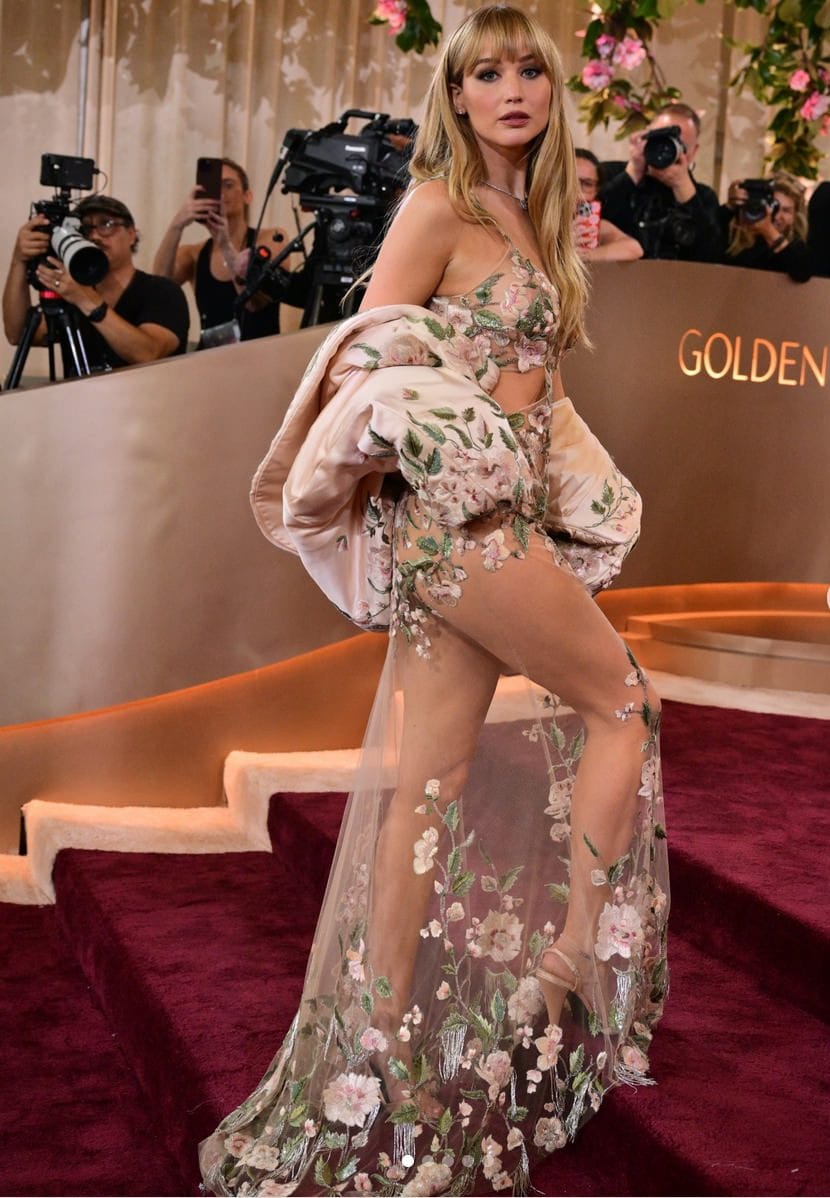
Image Credit: glamourmag, Instagram
An Old Strategy in a New Costume
For many of us, this isn’t new. We learned long ago that being “pleasant to look at” was a way to navigate the world, to stay safe, or to get what we wanted. But what feels like a choice in adulthood is often just a refined version of an old childhood survival strategy.
At this level, the naked dress isn’t about liberation. It’s the realization that in this system, the most reliable way to stay in control is to become what they want to look at.
Power That Depends on the Gaze
Power that depends entirely on the “gaze” of others is relational, fragile. It only exists as long as the gaze remains. Without the gaze, the effect disappears.
The power is therefore not rooted in the person themselves but in the reactions they are able to trigger.
It requires constant escalation — more daring, more shocking, more “naked” — just to keep the same level of interest.
True power shouldn’t require you to split yourself in two.
The Question Beneath the Dress
So the real question is not whether a dress is “too much” or if a woman should cover up.
The deeper question is this: What happens to us internally when our most effective way to be seen is to objectify ourselves before anyone else can do it for us?
There is a cost to treating yourself like a product, even when you’re the one making the sale. Power gained this way may feel real in the moment, but it’s often purchased with a quiet split — between who you actually are and the image you’re standing behind.
True power shouldn’t require you to split yourself in two.
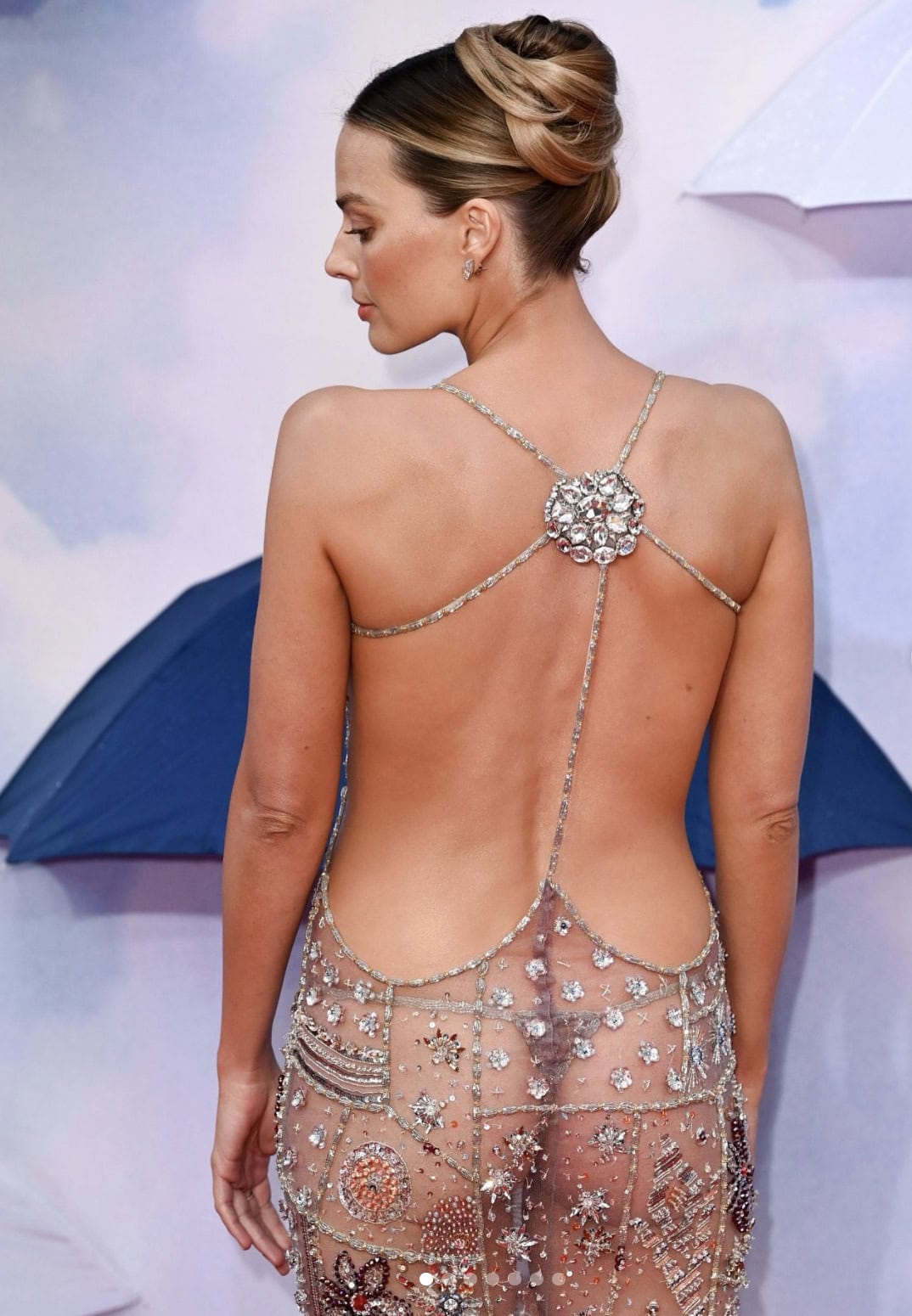
Image Credit: Elleindia, Instagram
You may also like
Christopher Nolan’s Heroes Keep Saving the World – But Losing Home
There is a story I once heard during my years studying Tibetan Buddhism under one of its most…

Why is Kylie Jenner still asking for his gaze – when she’s got the whole world watching?
We inherit behaviors not just genetically, but emotionally, relationally, somatically. If the…
The Dark Truth Behind Celebrity Overdoses: Why Our Search For Blame Is Missing The Bigger Picture
Addiction is a devastating reality, and when loved ones like Matthew Perry’s stepfather, Keith…