
What Jennifer Lopez’s reflections on her marriages and divorces reveal about the relationships we keep repeating
Looking beyond what the other did

Image: Jennifer Lopez / Via x.com
“And you really realize it doesn’t matter what people do to you or any of that. What matters is what you’re doing in it or how you got there and figuring out yourself.”
Taken out of context, what Jennifer Lopez said in an interview with SiriusXM could be hurtful, even harmful.
It’s not a rule you can apply to everything. And saying it bluntly would be wildly insensitive in the wrong moment. Think of war, school shootings, or freak accidents. Some things are not the result of personal choices. Some things just happen to us, completely beyond our control.
And the further we zoom out from the reality of the individual to the collective, the less that statement holds up.
But Jennifer Lopez wasn’t talking about war or tragedy. She was talking about her four weddings and four divorces.
It felt like she was holding up a mirror to something we all do: We love to look at a situation as if we’re looking through a window rather than looking in a mirror. In a relationship, it’s easy to look at the other person and think, “They need to work on such and such,” while framing ourselves as the good, steady, patient backdrop.
What we miss is that a relationship isn’t a one-way street – it’s a feedback loop. Our impatience, our unspoken expectations, and our quiet frustration aren’t just reactions to what’s going wrong; they’re actively fueling it. Without realizing it, we end up feeding the exact tension we’re begging to get away from.
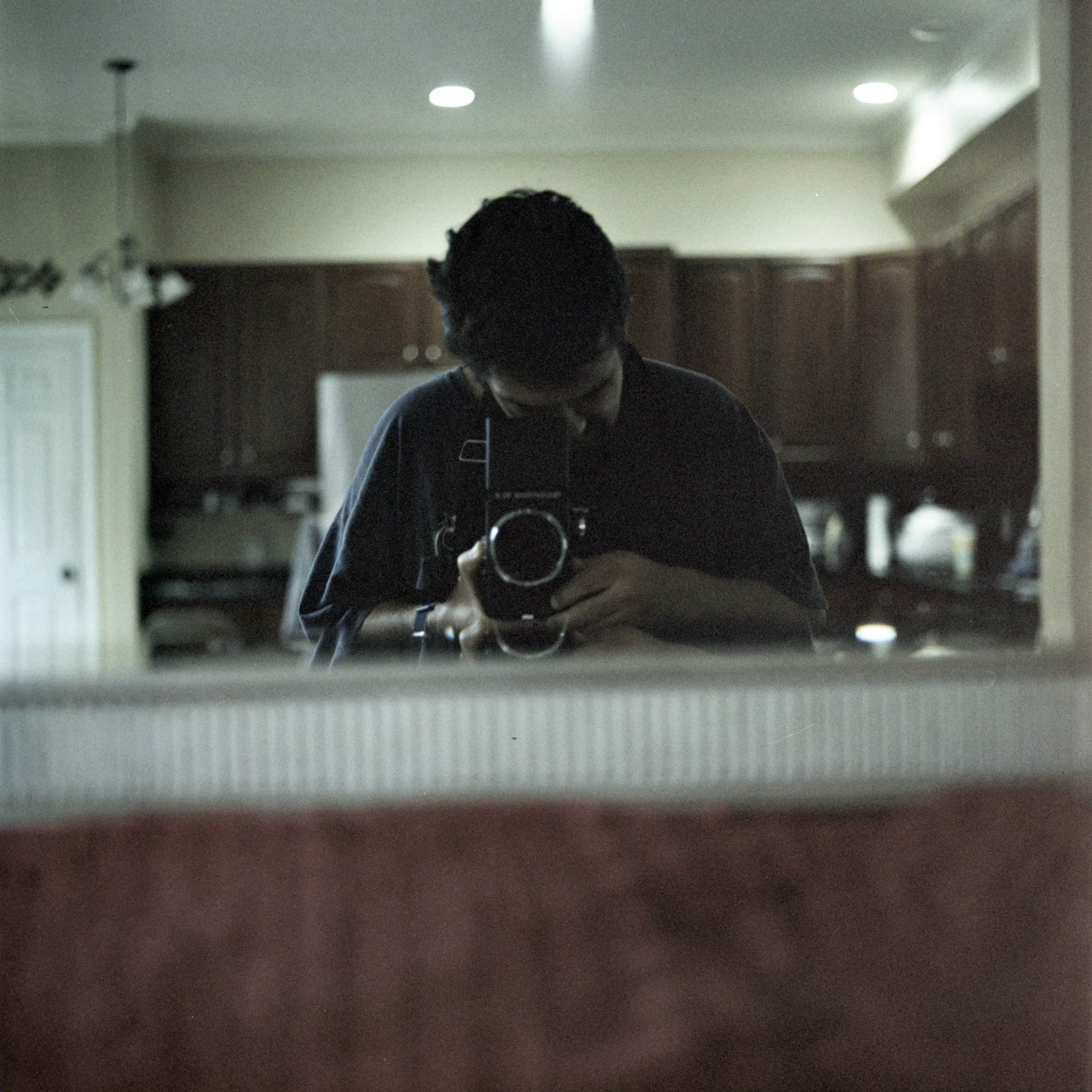
Image: Tom Mills, CC-BY-SA-2.0
Think about those moments when a relationship doesn’t feel as easy, warm, or effortless as you pictured it would be. When was the last time you caught yourself thinking, ‘If they would just give me a little more attention, show a bit more commitment, or have my back a little more, then I could finally relax’?
Instead, you’re left feeling angry, let down, overlooked, or just plain hurt.
The second it happens, your mind goes looking for someone to blame – and usually, it lands on the other person. Why are they making me feel this way? Why did they say that? Why didn’t they know better?
Your first instinct may be to think about what the other person has done to you. You might even go as far as thinking that they have made you feel a certain way.
And so the story begins.
We love to look at a situation as if we’re looking through a window rather than looking in a mirror.
We collect evidence. We replay conversations in our heads. We build a case. Without realizing it, we become historians of the other person’s failures.
Speaking from experience, this doesn’t stop at romantic partners – it touches every corner of how we relate to people. It happens with family, close friends, and coworkers, and even in fleeting moments with people we barely know that end up leaving a surprisingly deep mark.
There is so much to dissect, interpret and read about the other person that you could spend hours, days, even years trying to figure them out.
They don’t respect me. They don’t care. They think I’m stupid. They are trying to undermine me. They only think of themselves.
And the harder you investigate, the more material you find. Every tiny detail becomes another piece of evidence. You make notes, piece situations back together, analyze their motives, and try to crack the code of why they act the way they do.
But somewhere along the way, something strange happens: you disappear from your own story.
It’s like our eyes. They can see almost everything around us, yet they can never turn around and look at themselves. We’re so used to looking outward that we forget we’re part of the picture, too.
And yet, there you are – right in the middle of it.

Putting yourself back in the frame just means noticing your own part in it – what you chose, what you expected, or why you stuck around. Once you do that, isolated moments start looking like a pattern you can actually see clearly.
Maybe you were hungry for recognition. Maybe you were looking for approval, or hoping to get something from them they were never really capable of giving. Maybe you keep ending up in dynamics where you have to fight just to be heard – or maybe you tend to hear disagreement as rejection.
None of these things must be true. The point isn’t to diagnose or to judge yourself; it’s just to get curious about your own presence in the room.
Start by asking yourself: What is my actual relationship with this person? Why am I here in the first place? What brought me into this dynamic, and what was I hoping to get out of it? Have I been in a situation just like this before?
What was I wanting, fearing, or missing that made this happen?
Jennifer Lopez wasn’t talking about self-blame – or suggesting that we somehow cause every bad thing that happens to us. She was pointing to something much simpler: a willingness to look at how we participate in the patterns that keep repeating in our lives.
Because something shifts the moment you start asking those questions. The question changes from “Why is this happening to me?” to “What is my role in this recurring loop?”
Without realizing it, we end up feeding the exact tension we’re begging to get away from.
That doesn’t mean the other person had nothing to do with it – they did. But think about how hard it is just to change yourself. Think about what it takes to quit smoking, drag yourself out of bed to work out, or stick to a diet. Now imagine trying to force someone else to stick to those habits for you. It feels like sitting on the couch trying to change the program on a broken remote control.
At the end of the day, the only person you actually have any real influence over is yourself.
While plenty of things in life simply happen to us out of nowhere, recurring relationship patterns invite a different question: What is my part in this?
That is not the same as letting the other person off the hook. It doesn’t make them innocent, and it doesn’t mean it’s all your fault. It’s just that their behavior is rarely the whole story.

Image: Ildar Sagdejev (Specious), GFDL
When you step back, you start separating what actually happened from the story you built around it. You separate the words they actually said from what you heard them mean, and their behavior from the old nerve it struck in you.
Sometimes you realize the situation is poking at something that barely has anything to do with this person at all – an old, familiar bruise from a completely different relationship or chapter of your life.
Other times, the truth is much simpler: you don’t actually want to be there. You’ve been putting up with something you hate, stalling on your own decision because you’re waiting for them to change first.
All of this is part of figuring yourself out. And this is where Jennifer Lopez’s point gets really interesting.
We love to believe that if we can just figure the other person out – if we can map their motives, spot their flaws, and understand their intentions – we’ll finally feel settled.
Yet even if you decode them completely, you might still know almost nothing about yourself. You can be 100% right about how badly someone behaved and still walk away having learned nothing from the situation.
We collect evidence. We replay conversations in our heads. We build a case. Without realizing it, we become historians of the other person’s failures.
In fact, “being right” can become a very comfortable place to hide. As long as all your energy goes into cataloging what’s wrong with them, you never have to look at what’s going on in yourself.
And there is a massive difference between these two investigations.
The first keeps you tethered to the other person – obsessing over what they think, what they’ll do next, whether they get it, whether they’ll apologize, whether they’ll ever change.
The second brings you back to who you truly are: What am I seeing here? What do I actually want? Why am I staying in this, and what choices do I have right now?
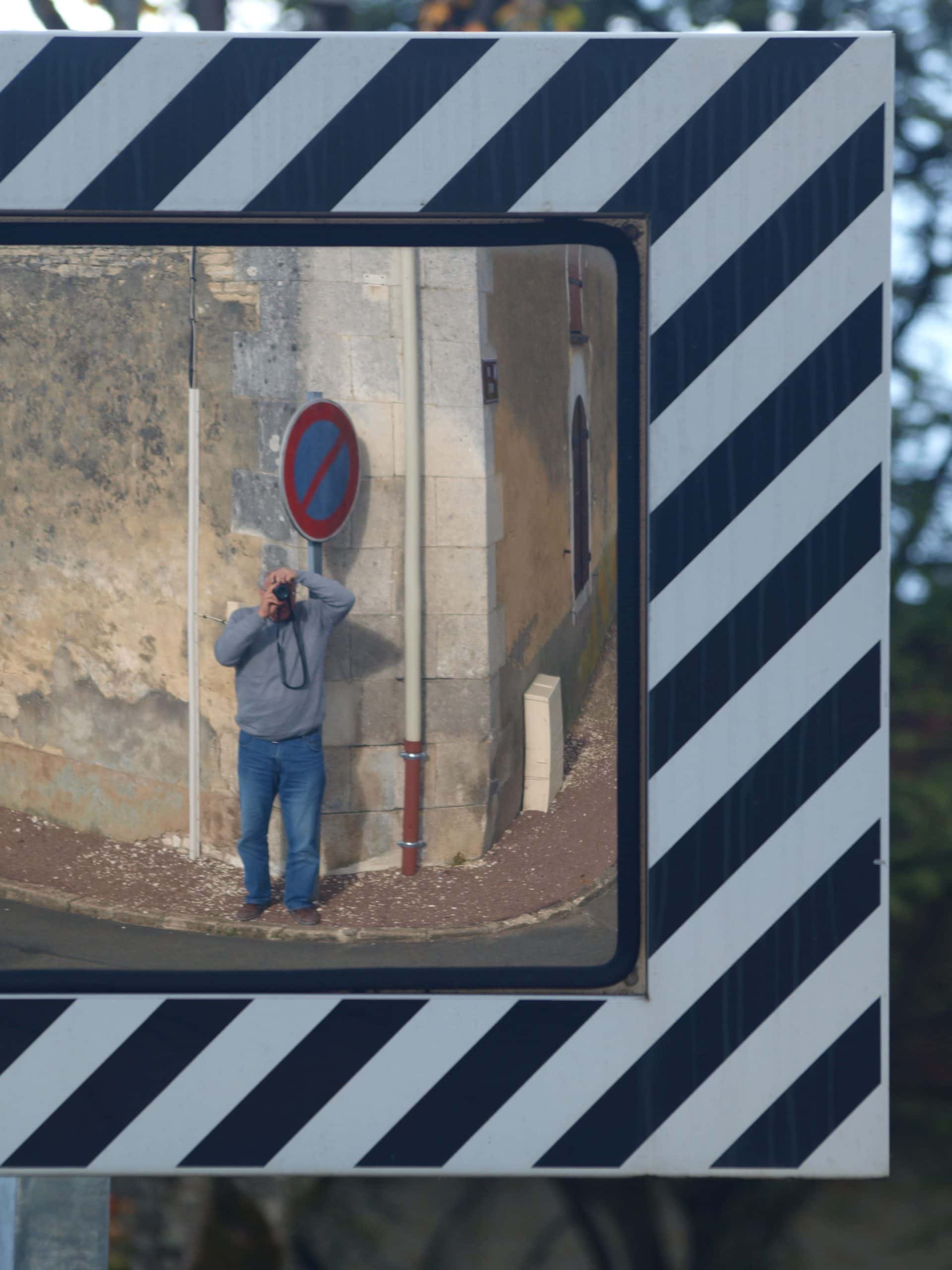
Image: François GOGLINS, CC-BY-SA-4.0
You might still decide that the other person behaved terribly. You might still feel hurt. You might decide to leave, confront them, or do nothing at all.
The difference is that you are no longer holding your breath, waiting for their next move just to make sense of your own experience.
And maybe that is the biggest shift of all. In one version of the story, they are the main character and you are just a side character – reacting to their moods, their words, and their choices. In the other version, you step back into the lead role. It’s not about making everything about you – it’s not ego – it’s just finally admitting you’re part of the equation, too.
You stop treating your life like a movie you’re passively watching happen to you, and you start getting curious about the person living it.
Do you see what that changes? It doesn’t give you control over other people, or over what life throws at you. But what it gives you back is something you may have accidentally handed away: your own attention and presence.
And maybe that’s where figuring yourself out really begins.
You may also like

Most people don’t get what Aimee Lou Wood’s line in White Lotus really means
What does Aimee Lou Wood’s line in White Lotus - “You are the victim of your own decisions” -…

Part 1 — Louis C.K. and the Split Between High and Low
After years of what can only be described as cultural exile — touring outside the center of…

What if saying yes to heartbreak is the key to love?
What if saying yes to heartbreak - like Noah Centineo in To All the Boys: P.S. I Still Love You -…
