
Insulating and Soundproofing Our Camper Van
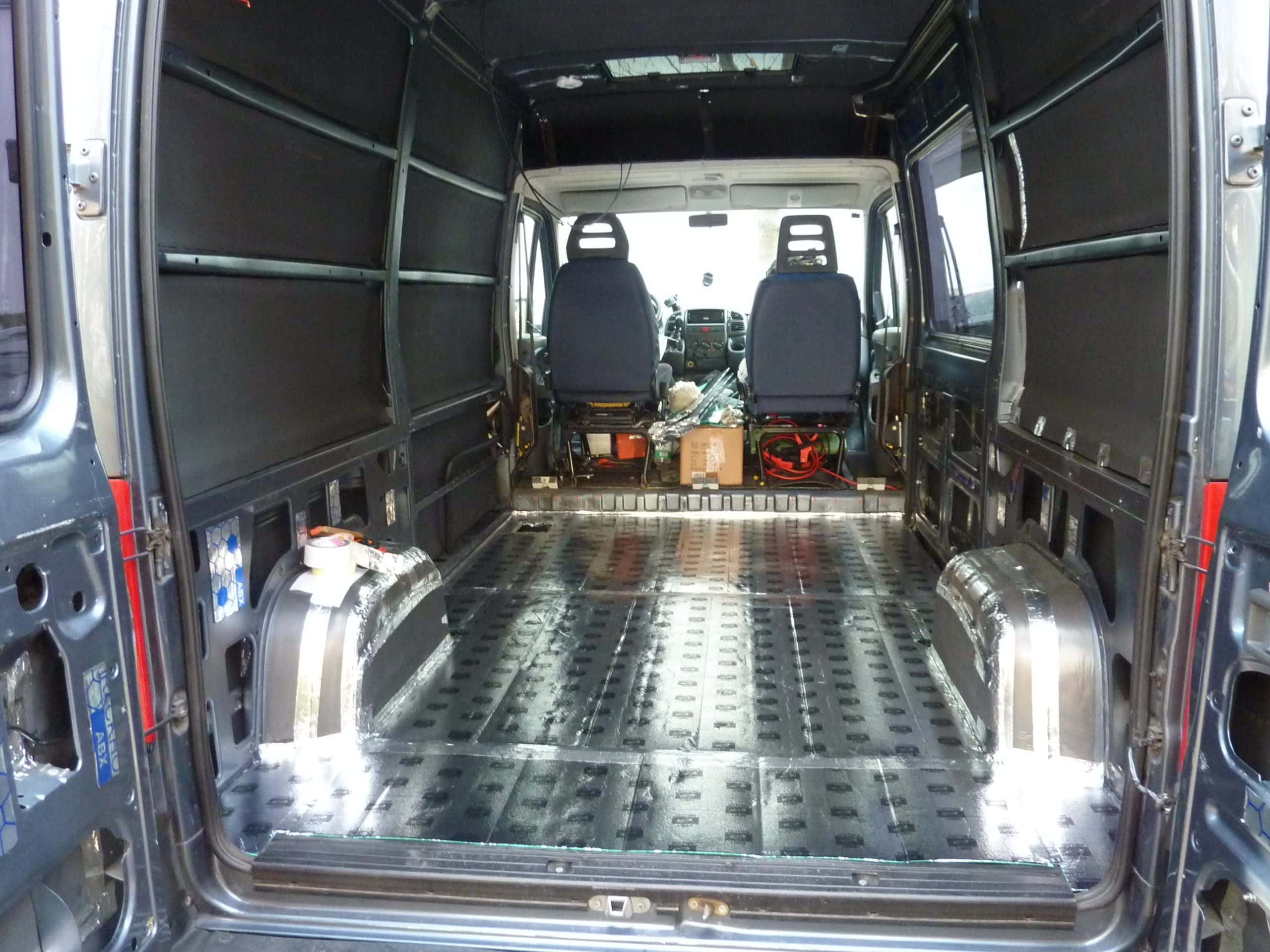
Here’s a look at how we insulated and soundproofed our Ducato van, transforming it from just a vehicle into a home on wheels.
Converting a van into a camper isn’t just about what you build inside. If you plan to take your van into the mountains or use it during the colder months, insulation becomes non-negotiable—especially on the floor. If the floor isn’t properly insulated, the cold will creep up from below, no matter how cozy everything else looks.
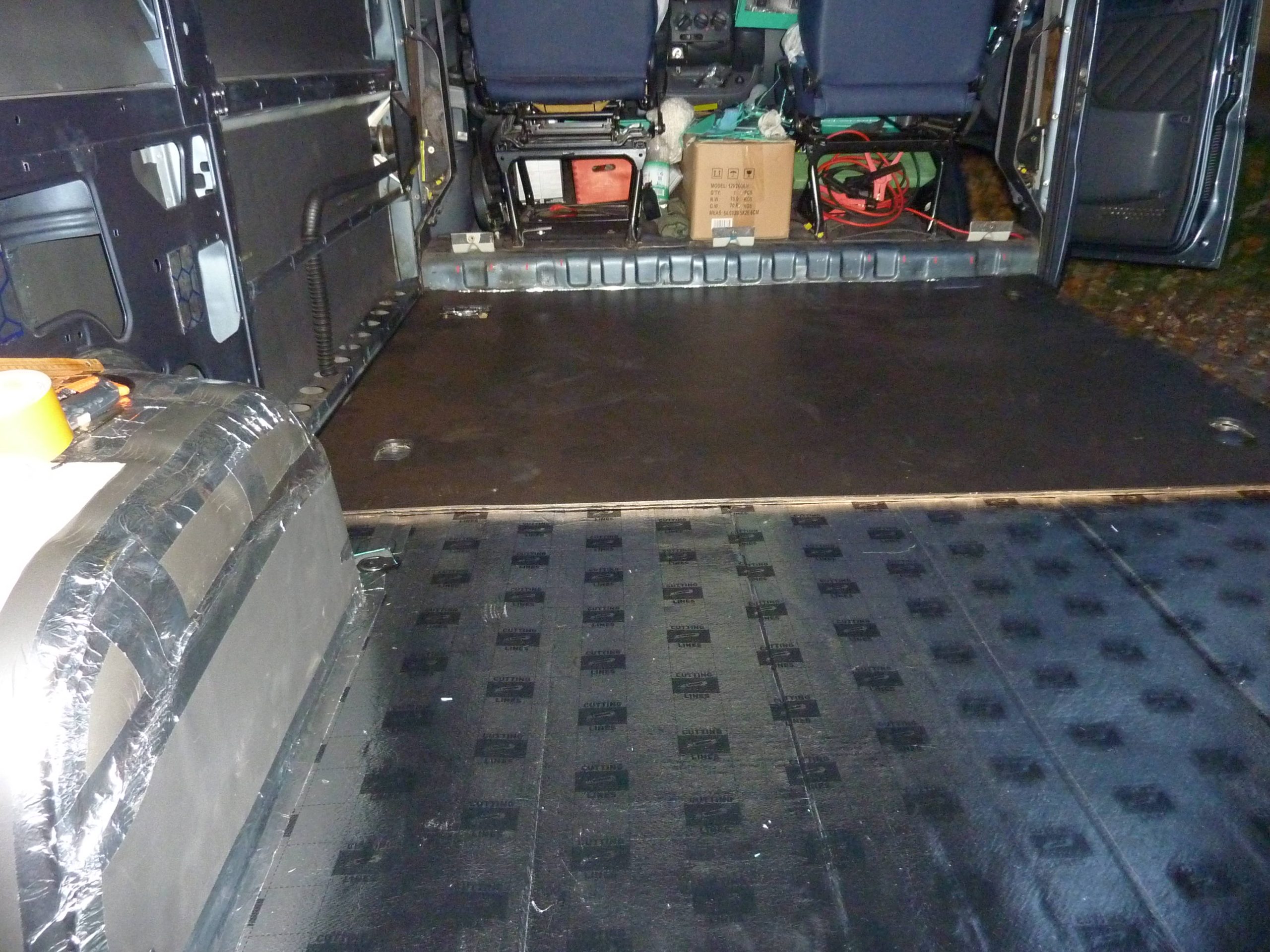
It’s tempting to leave the existing wood floor in place, but wood on its own does almost nothing in terms of insulation. If it isn’t decoupled from the metal and backed with something like a styrofoam board, it will simply conduct the cold straight through. In practice, it doesn’t feel much different from standing directly on the metal.
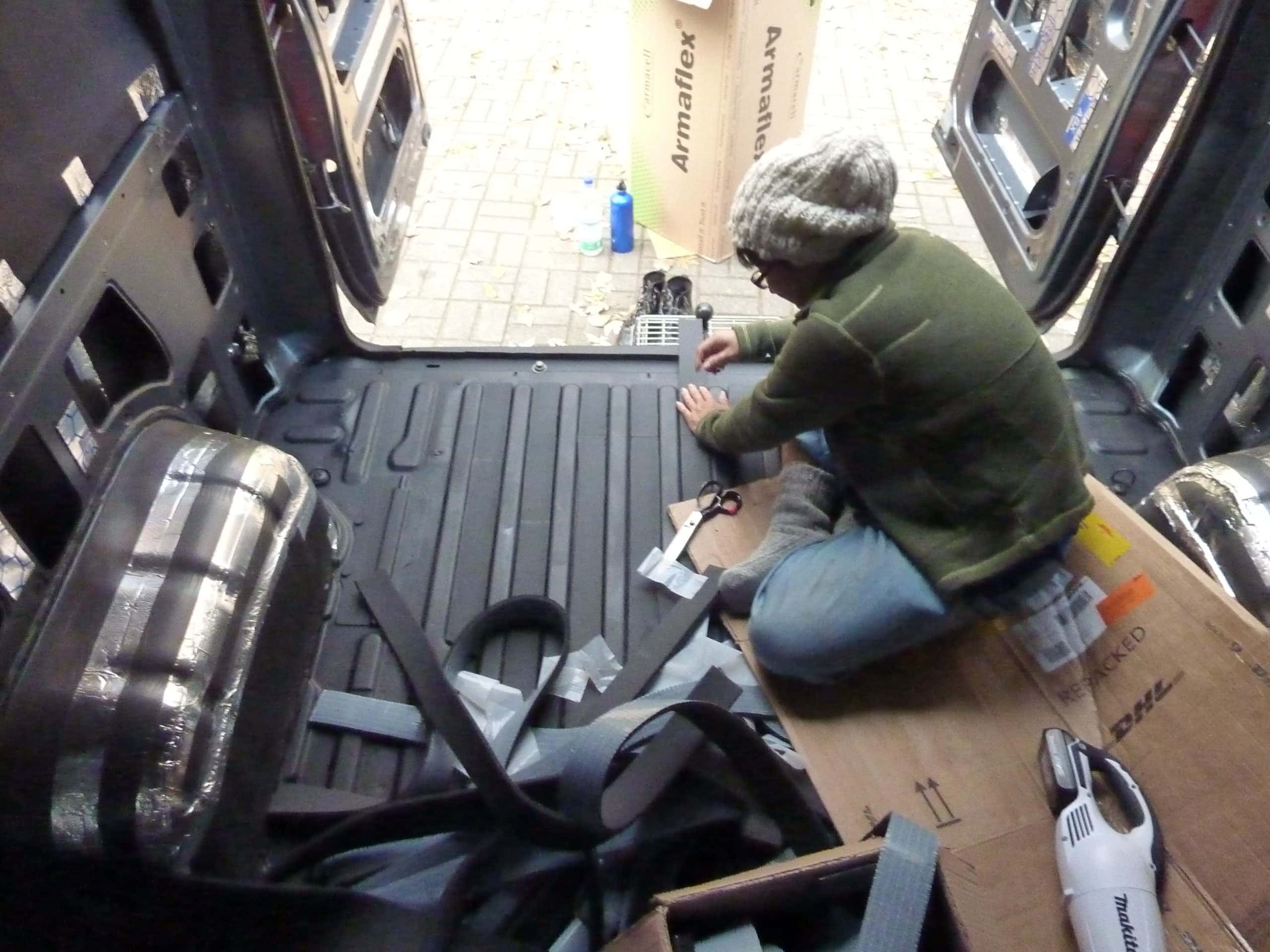
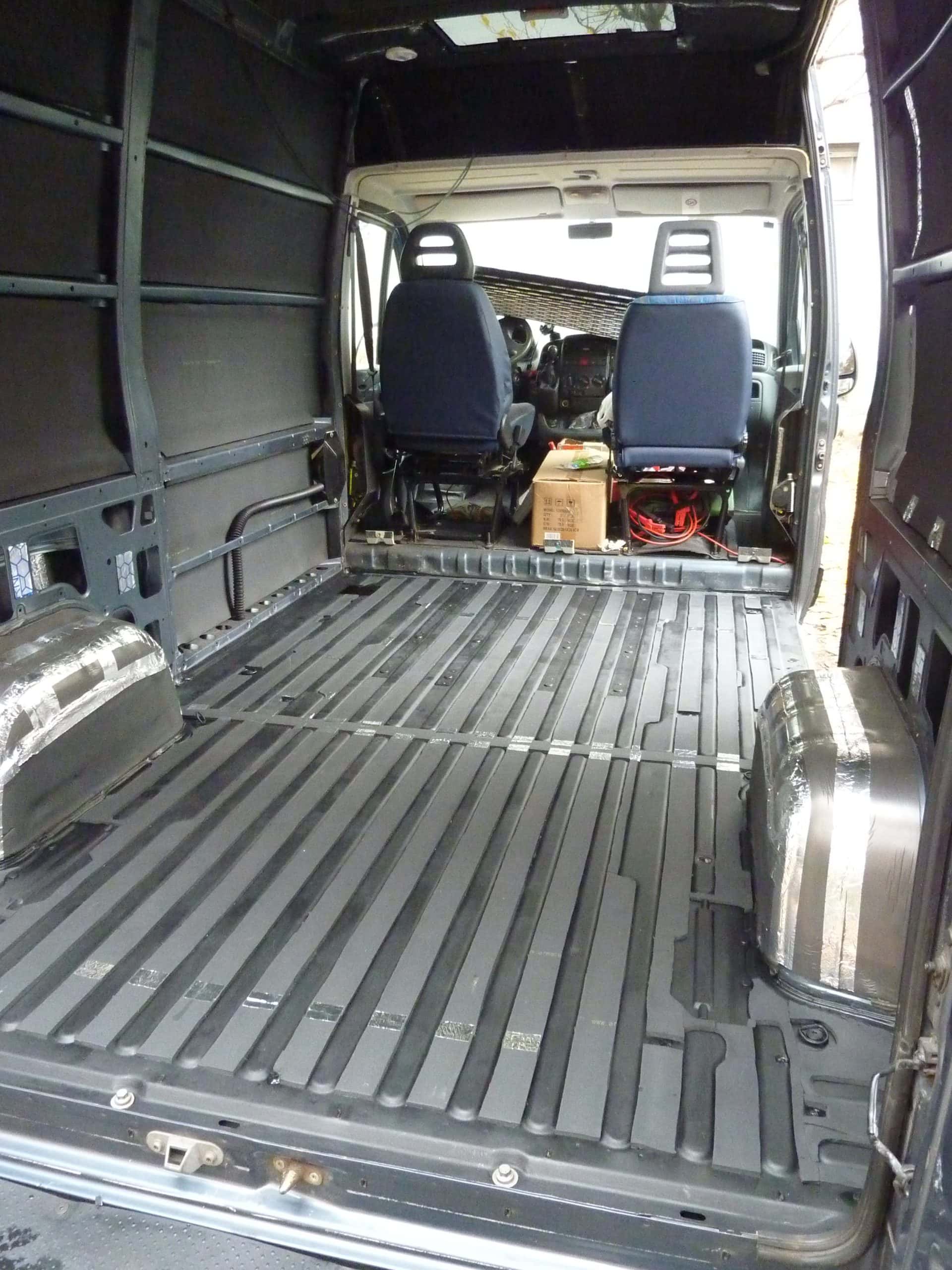
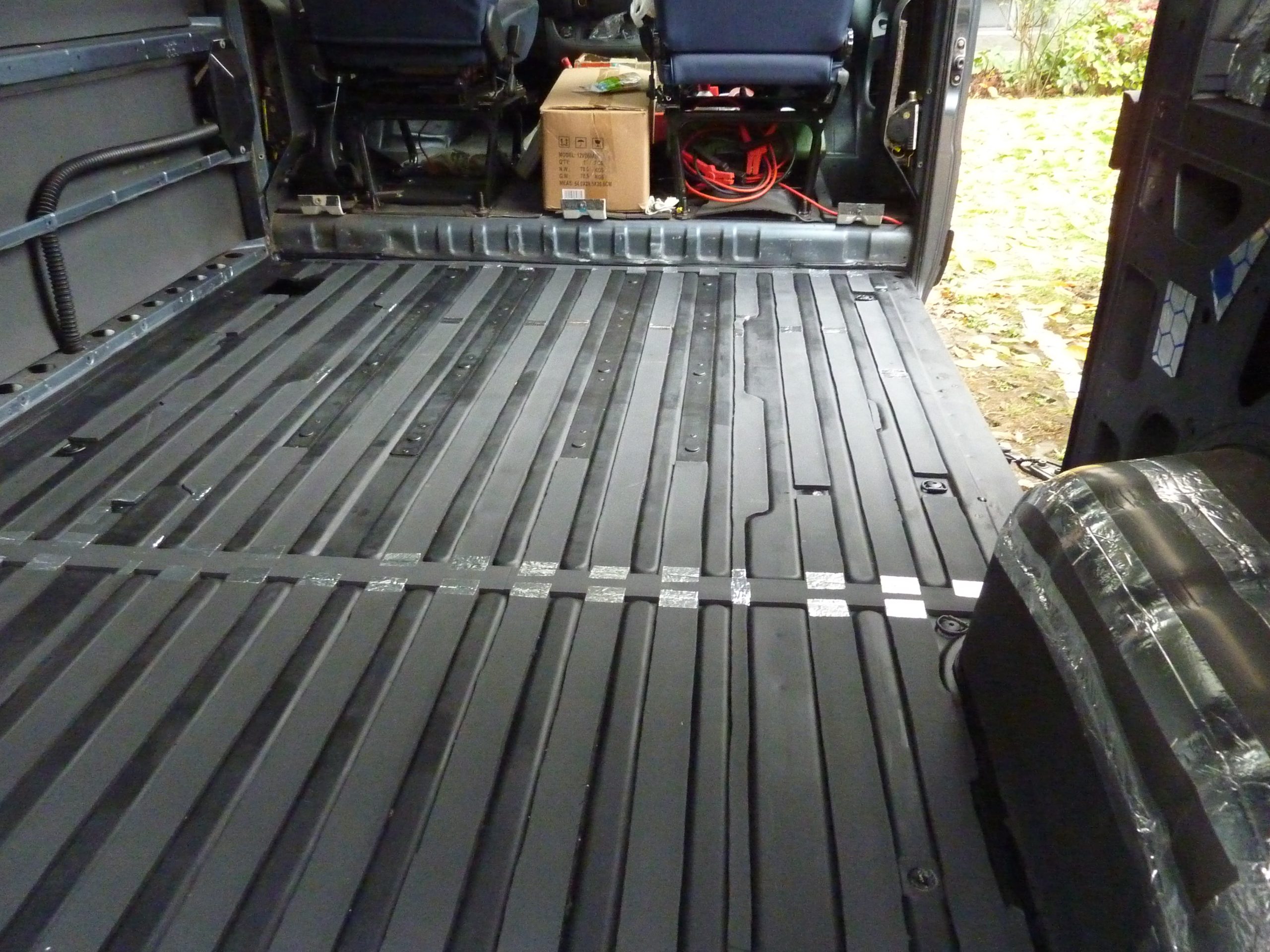
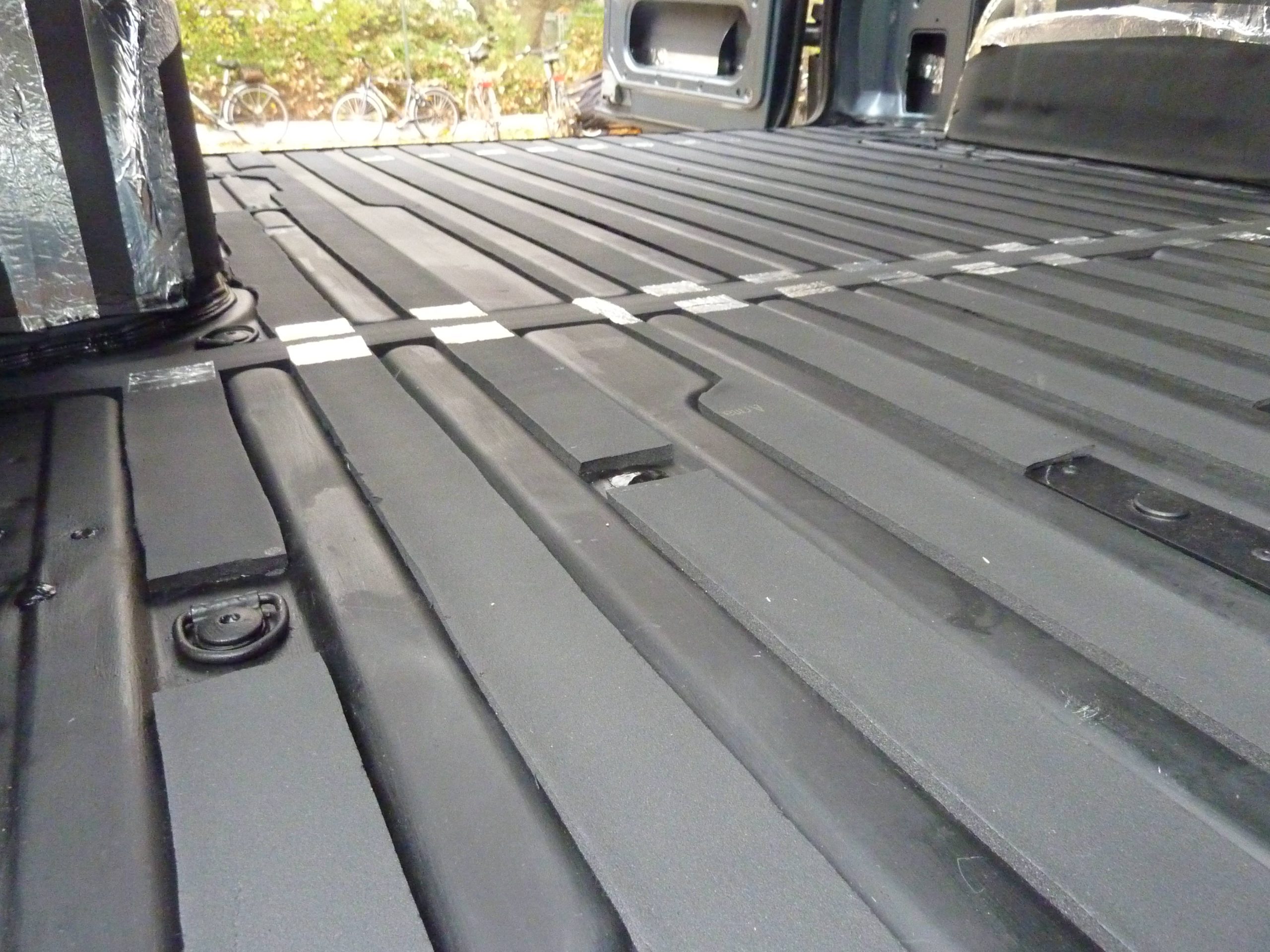
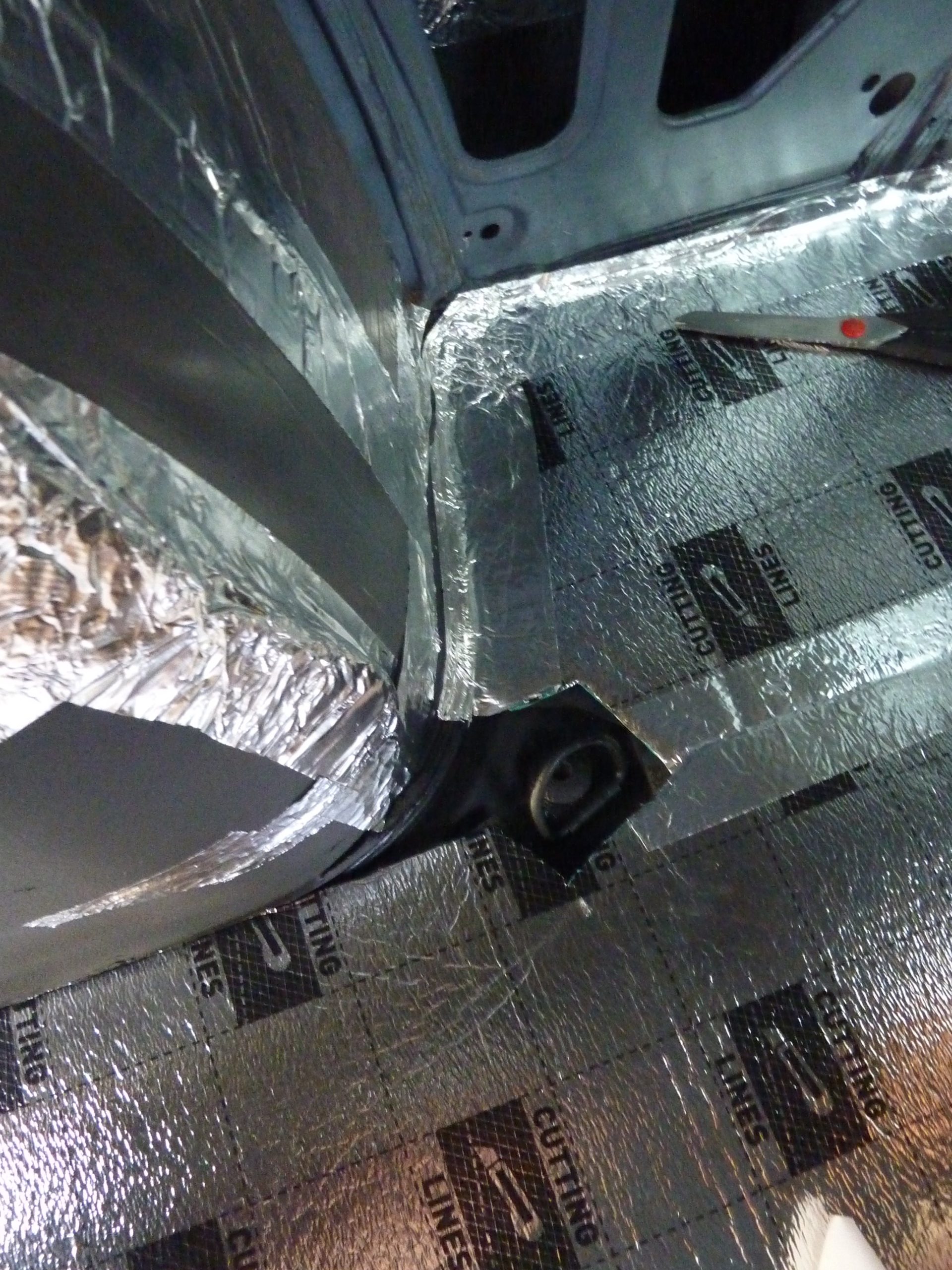
So before adding any furniture, it’s essential to lift the floorboards, fill the metal crevices with something like Armaflex so the surface becomes flush, and then add a thin layer (3–5 mm is enough) of polystyrene/styrofoam on top. That small step makes a huge difference later—especially for your feet.
And in older vehicles, removing the floorboards often reveals areas where moisture has caused damage. In such cases, it’s essential to derust and treat the affected metal, then coat it with a primer—we used a black rust-protective primer—before moving on to the next steps of insulation and soundproofing.
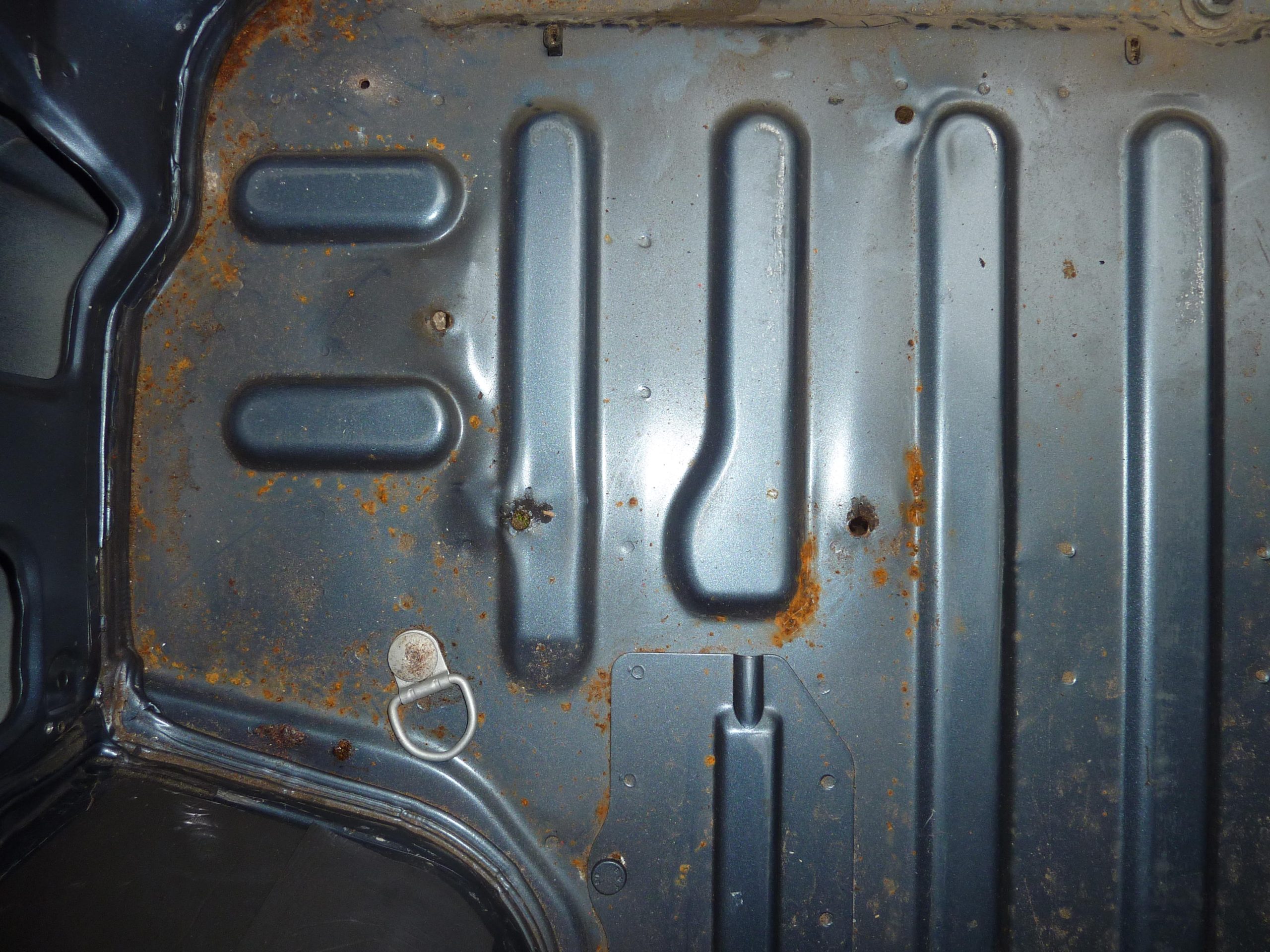
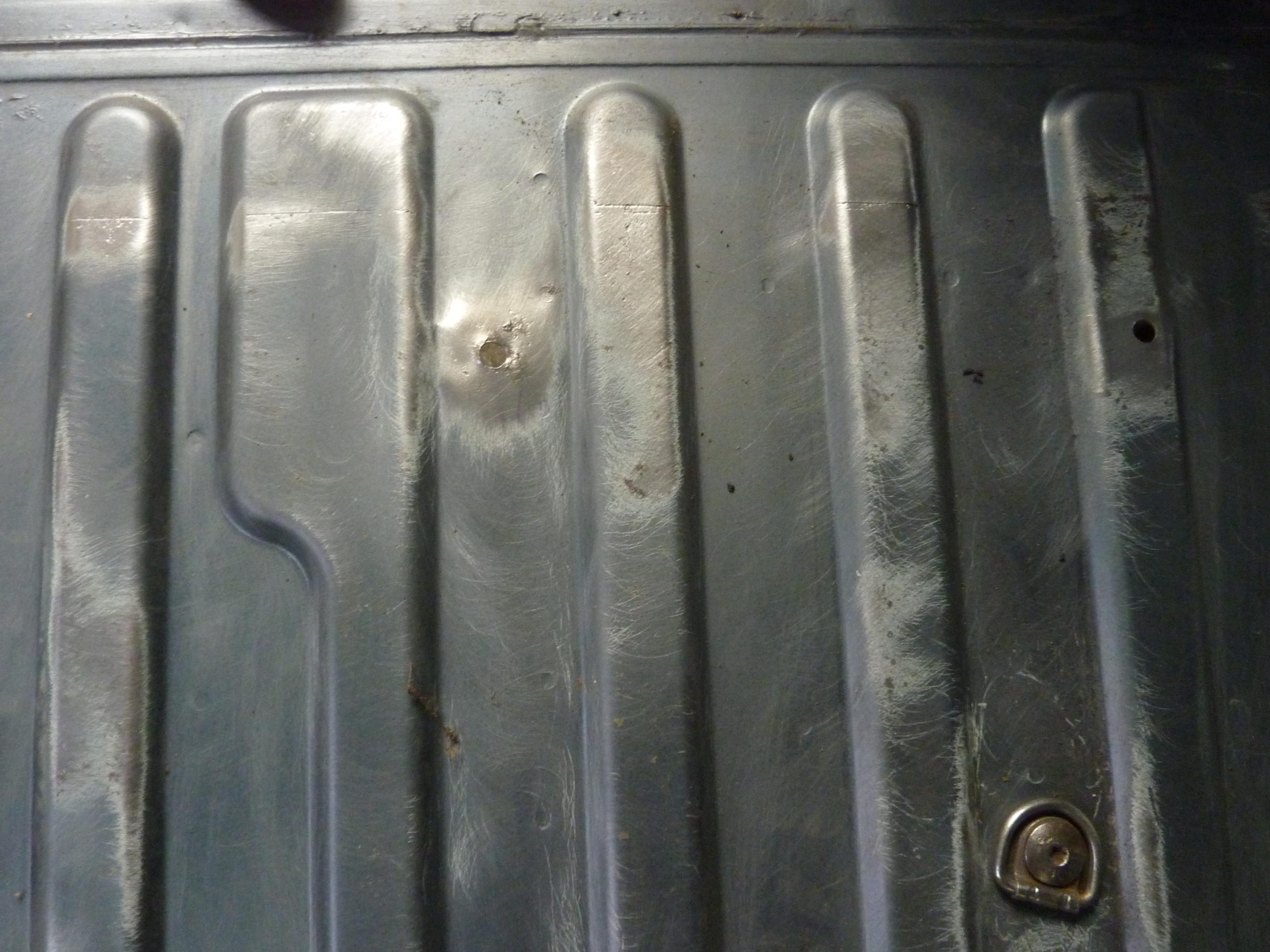
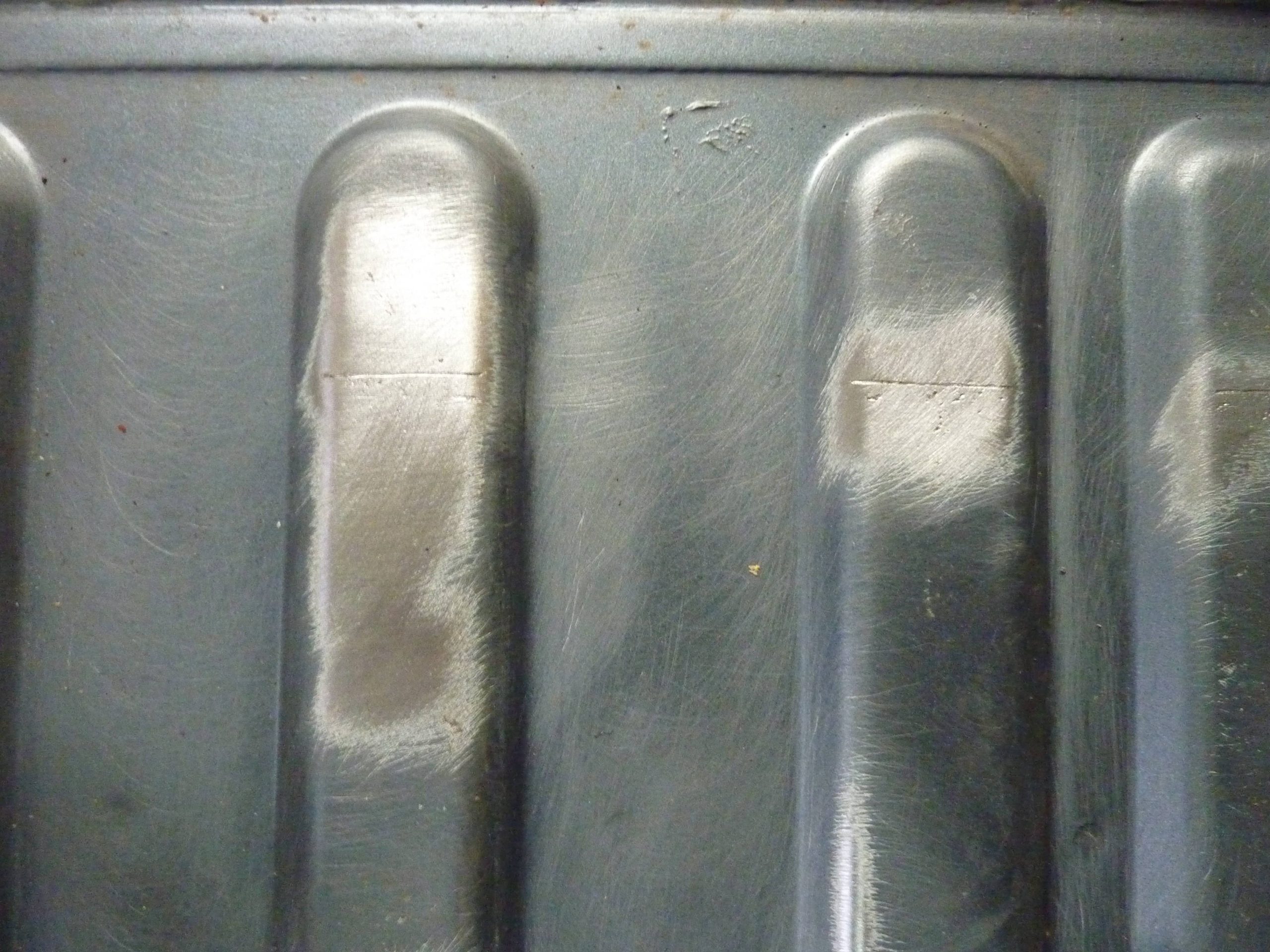
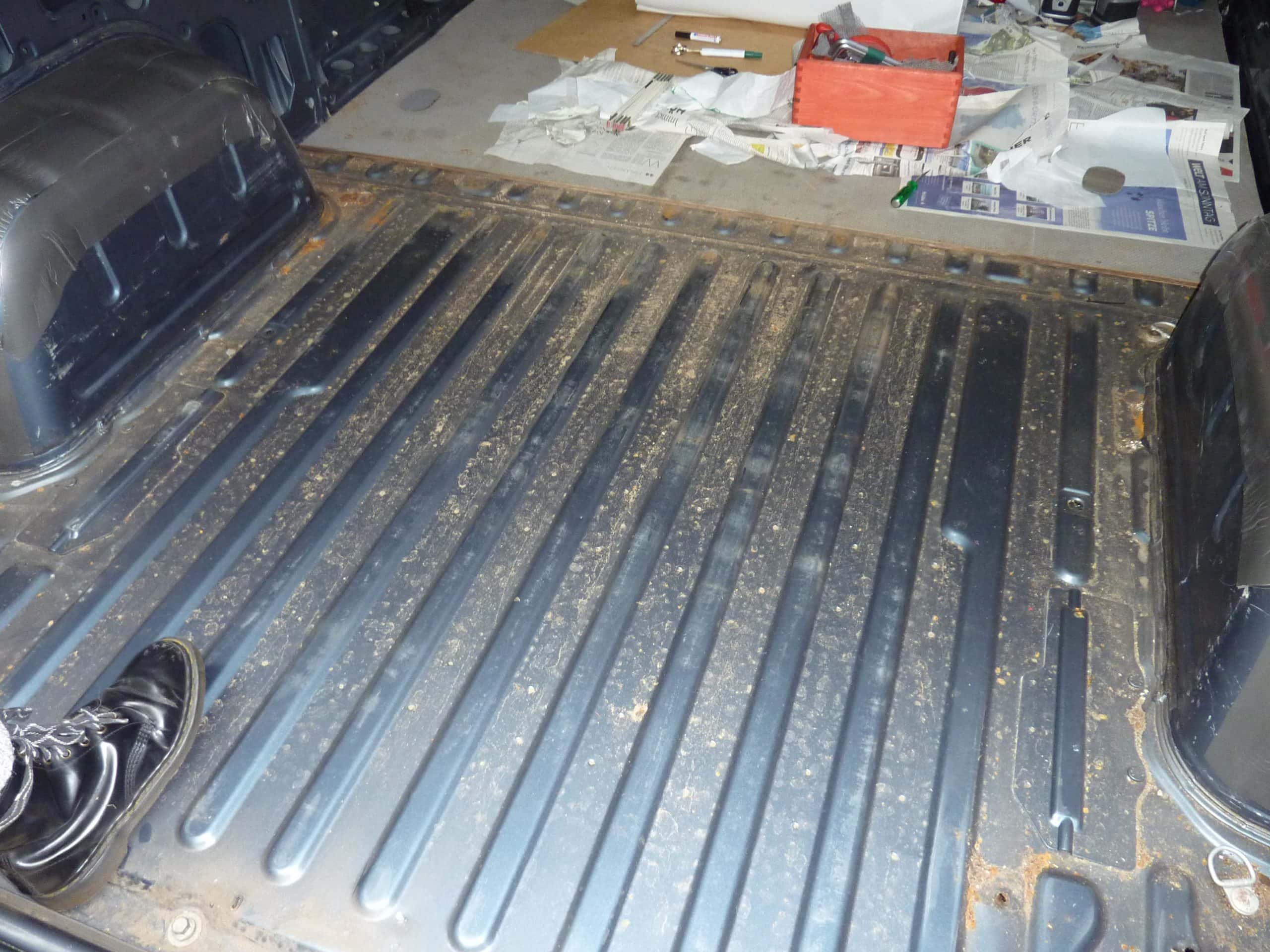
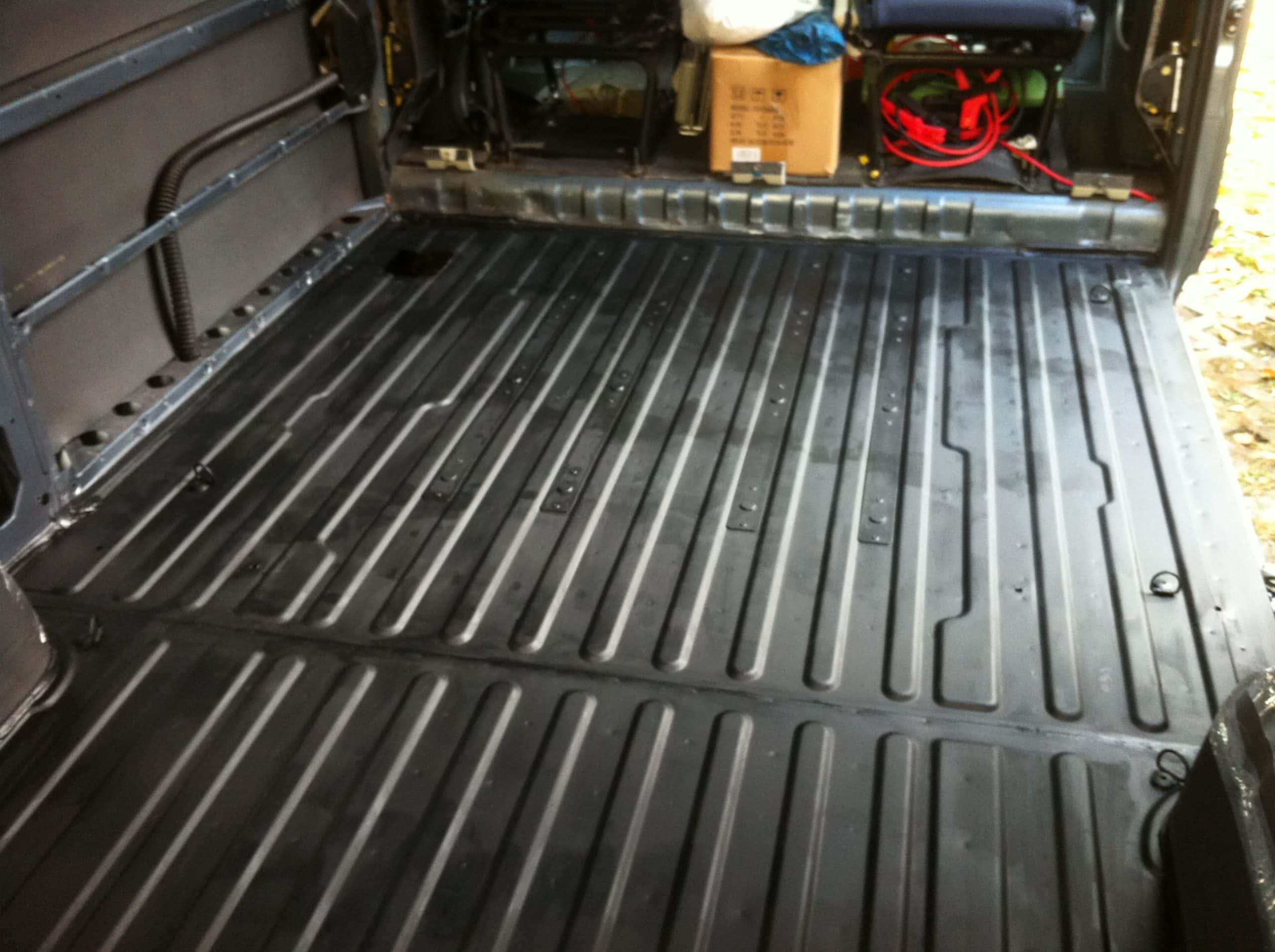
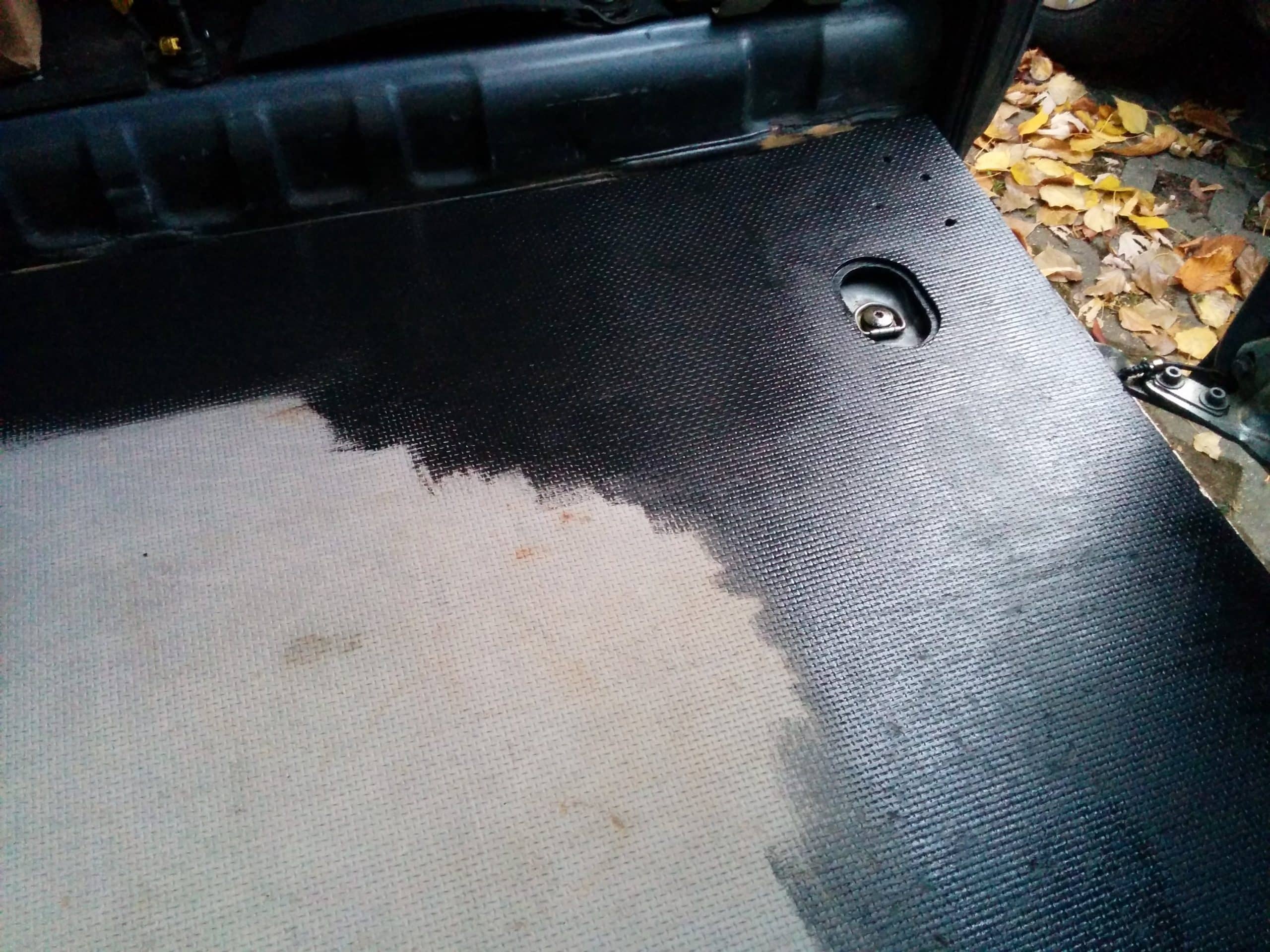
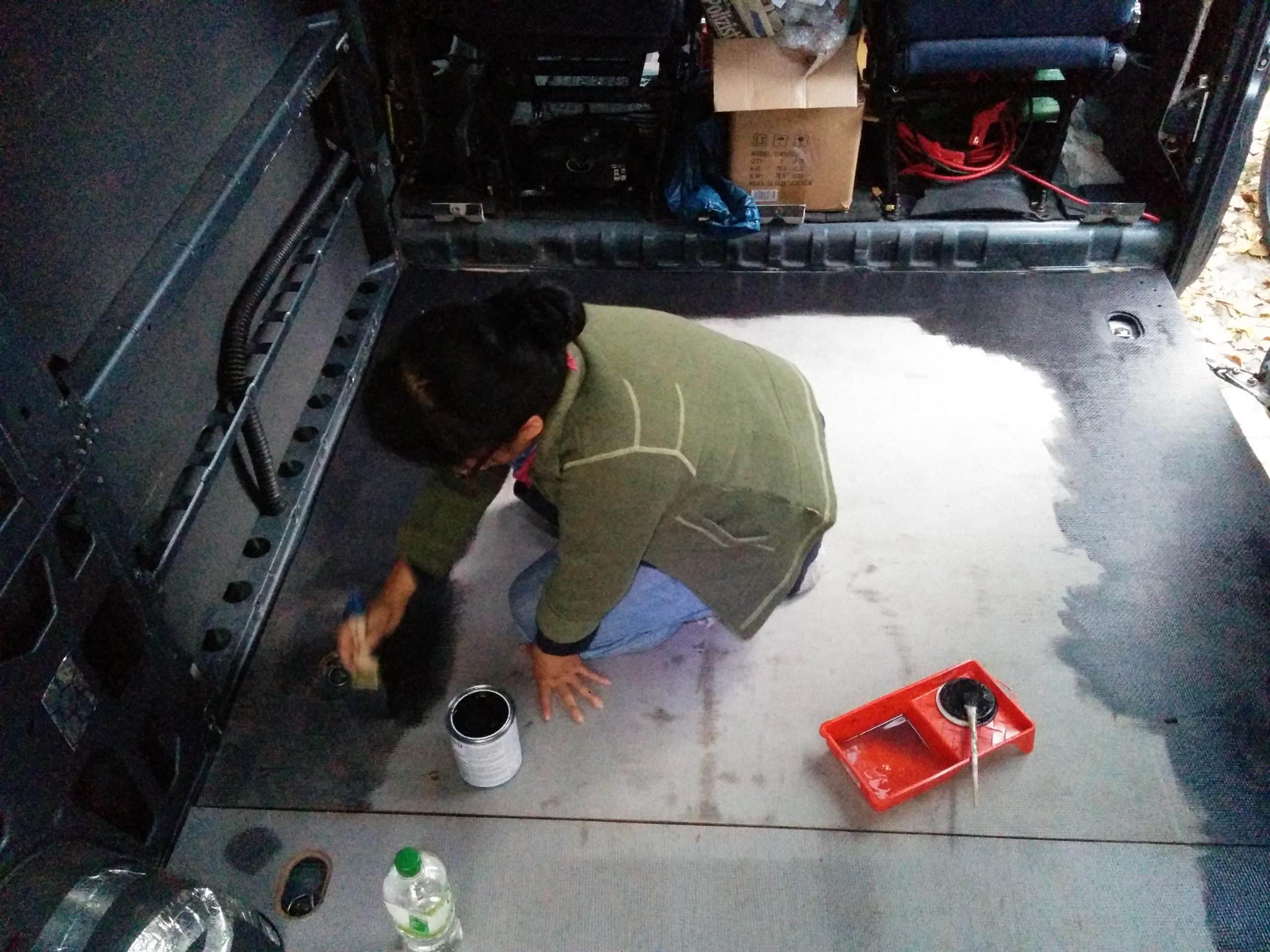
“If the wood panels aren’t decoupled from the metal and backed with something like a styrofoam board, they will simply conduct the cold straight through.”
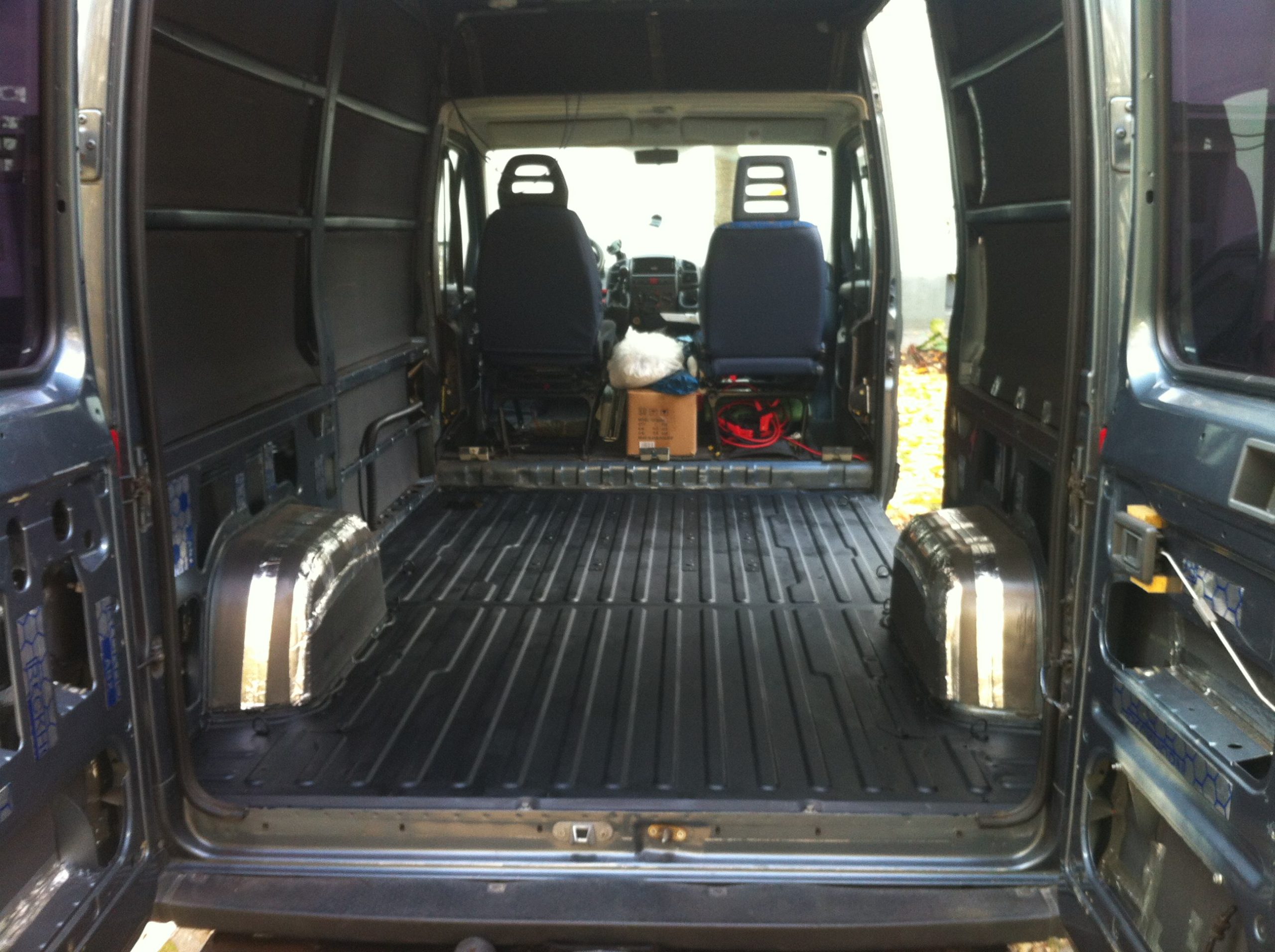
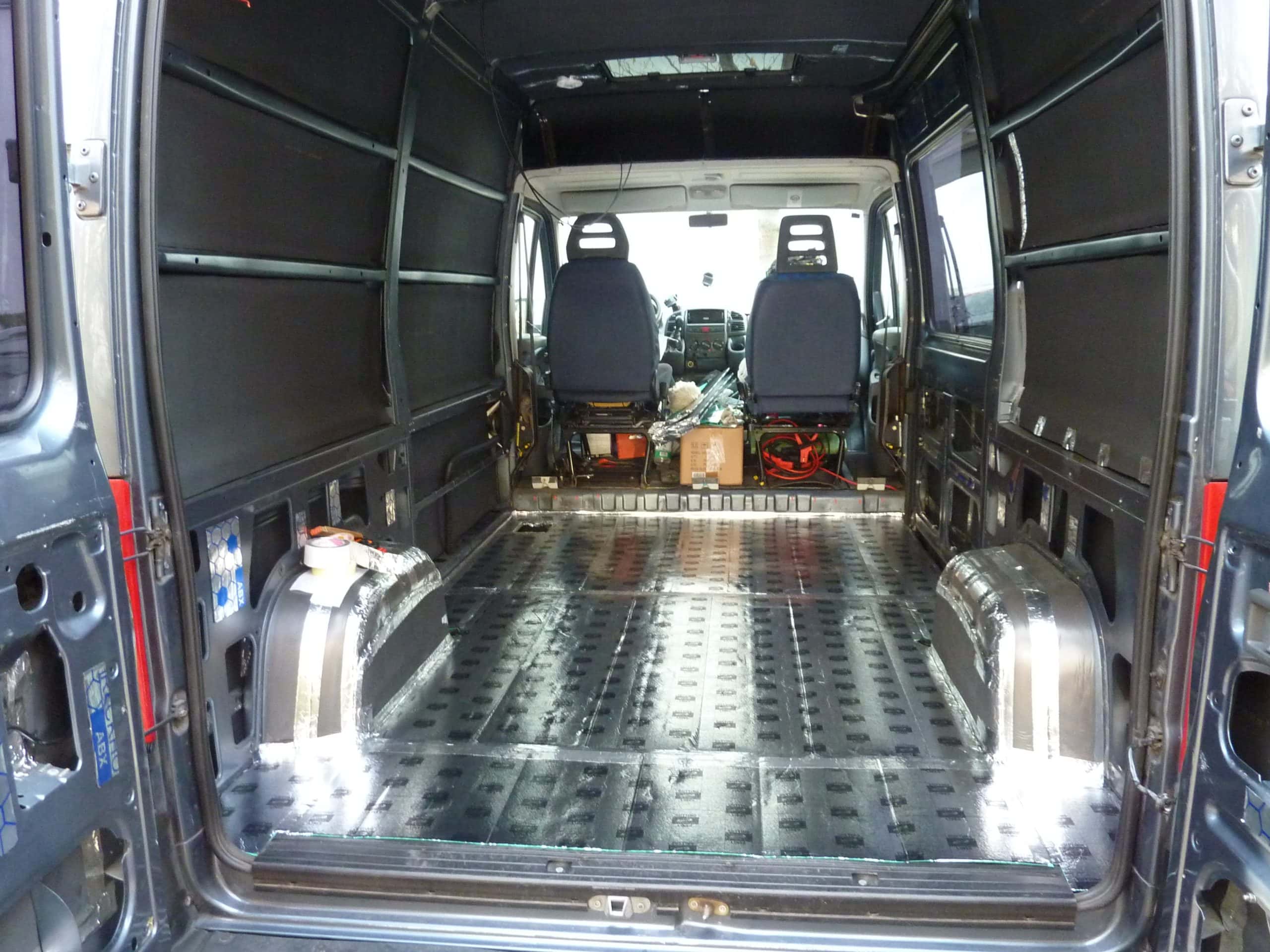
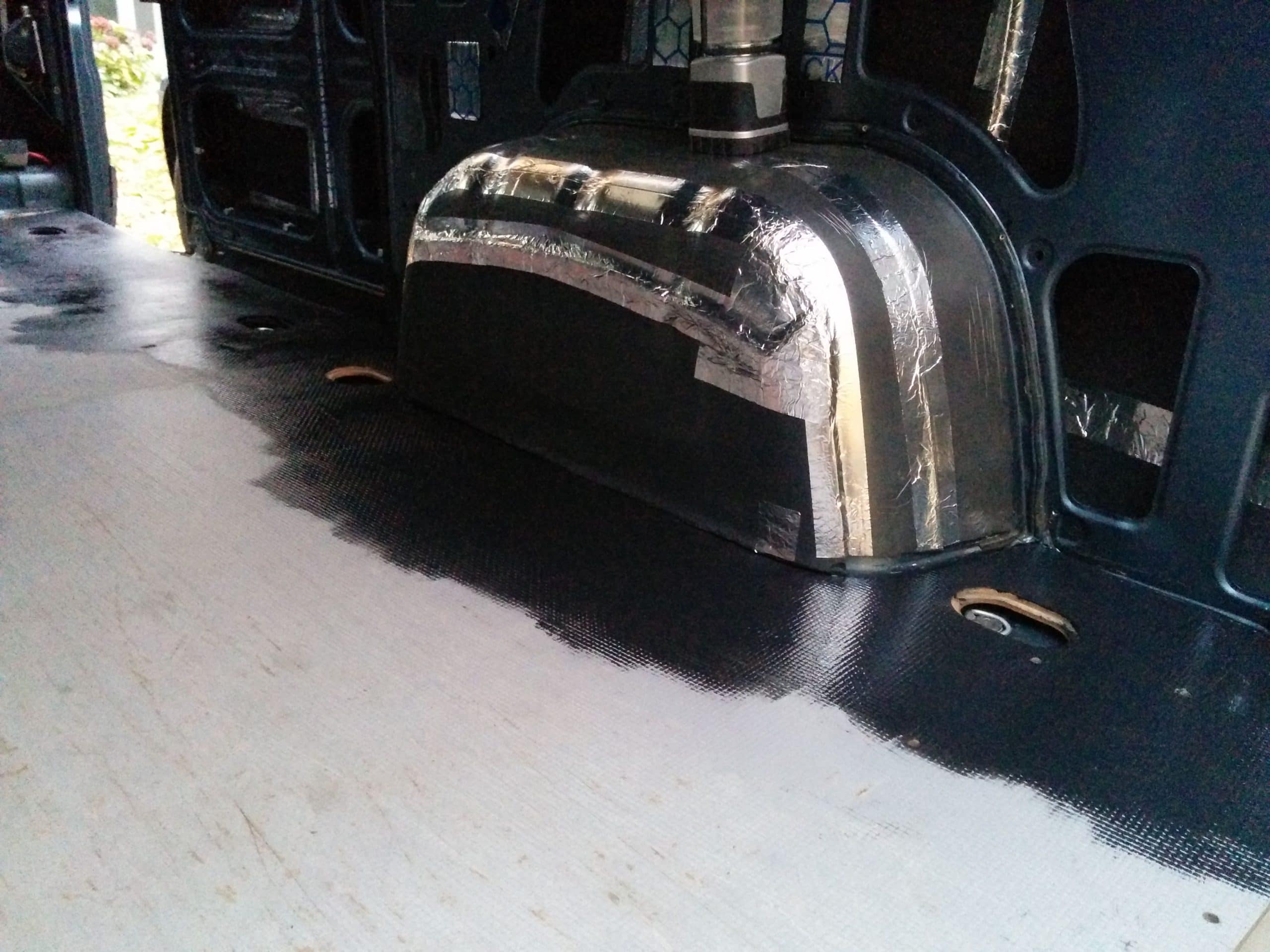
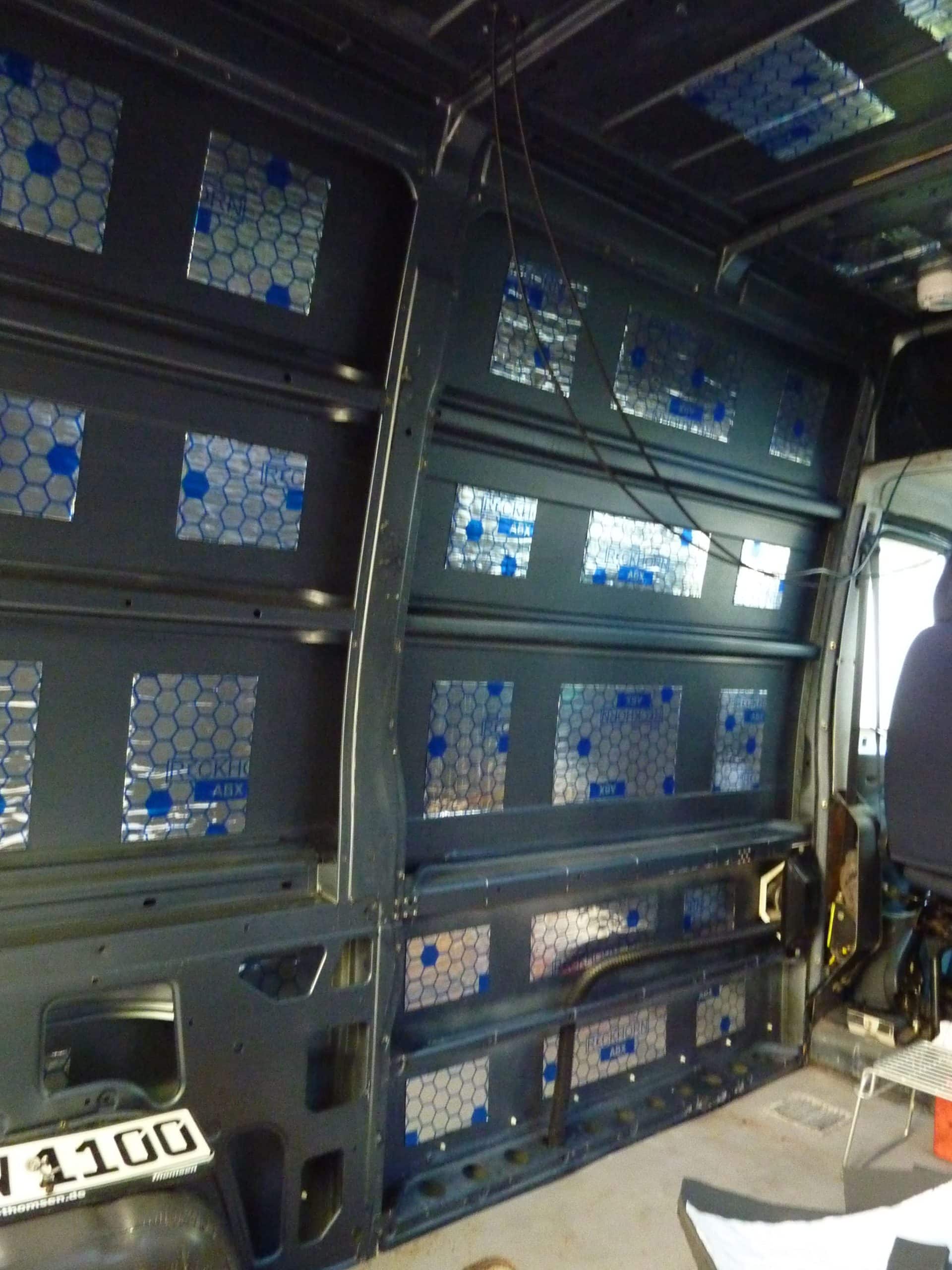
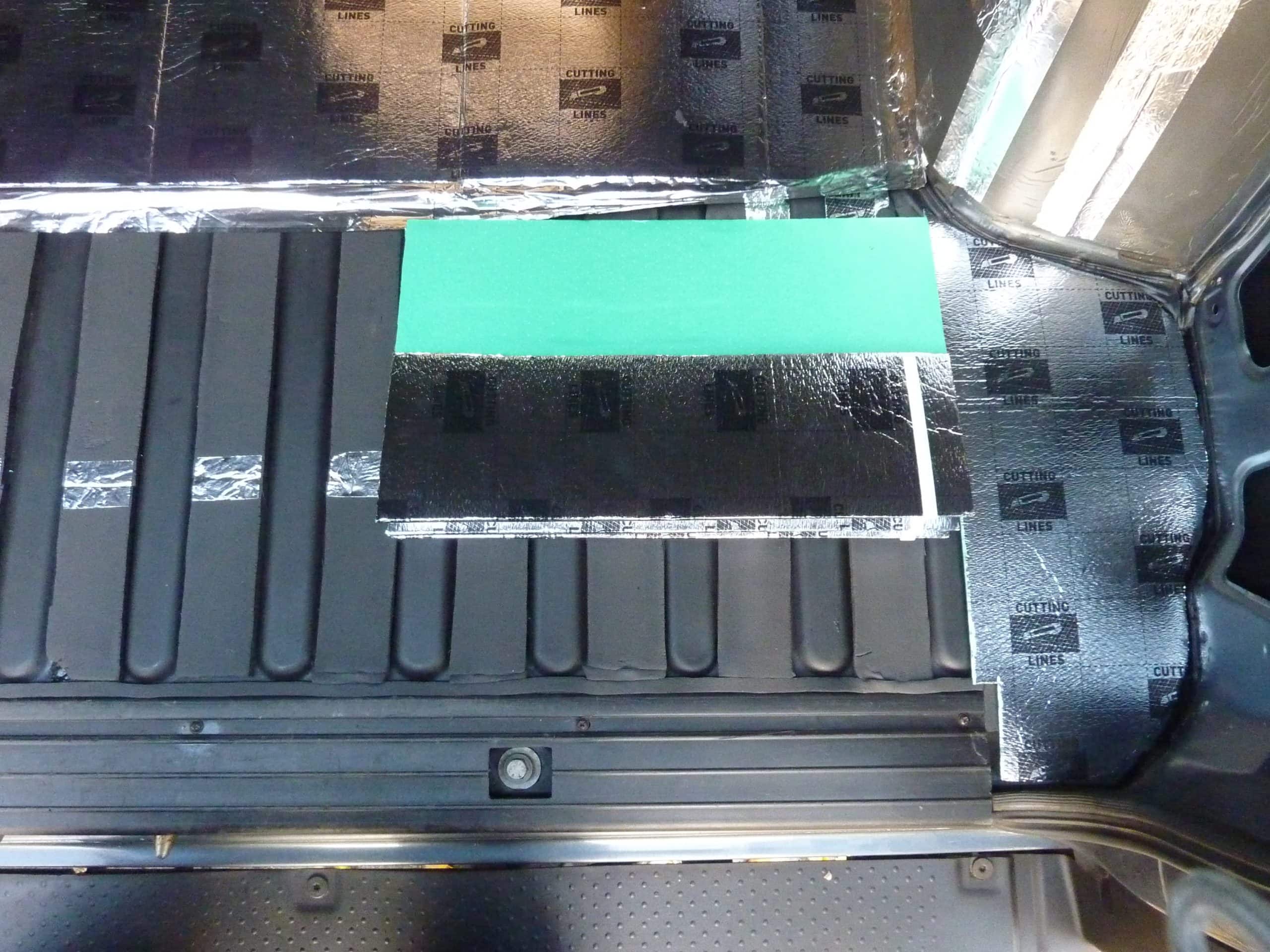
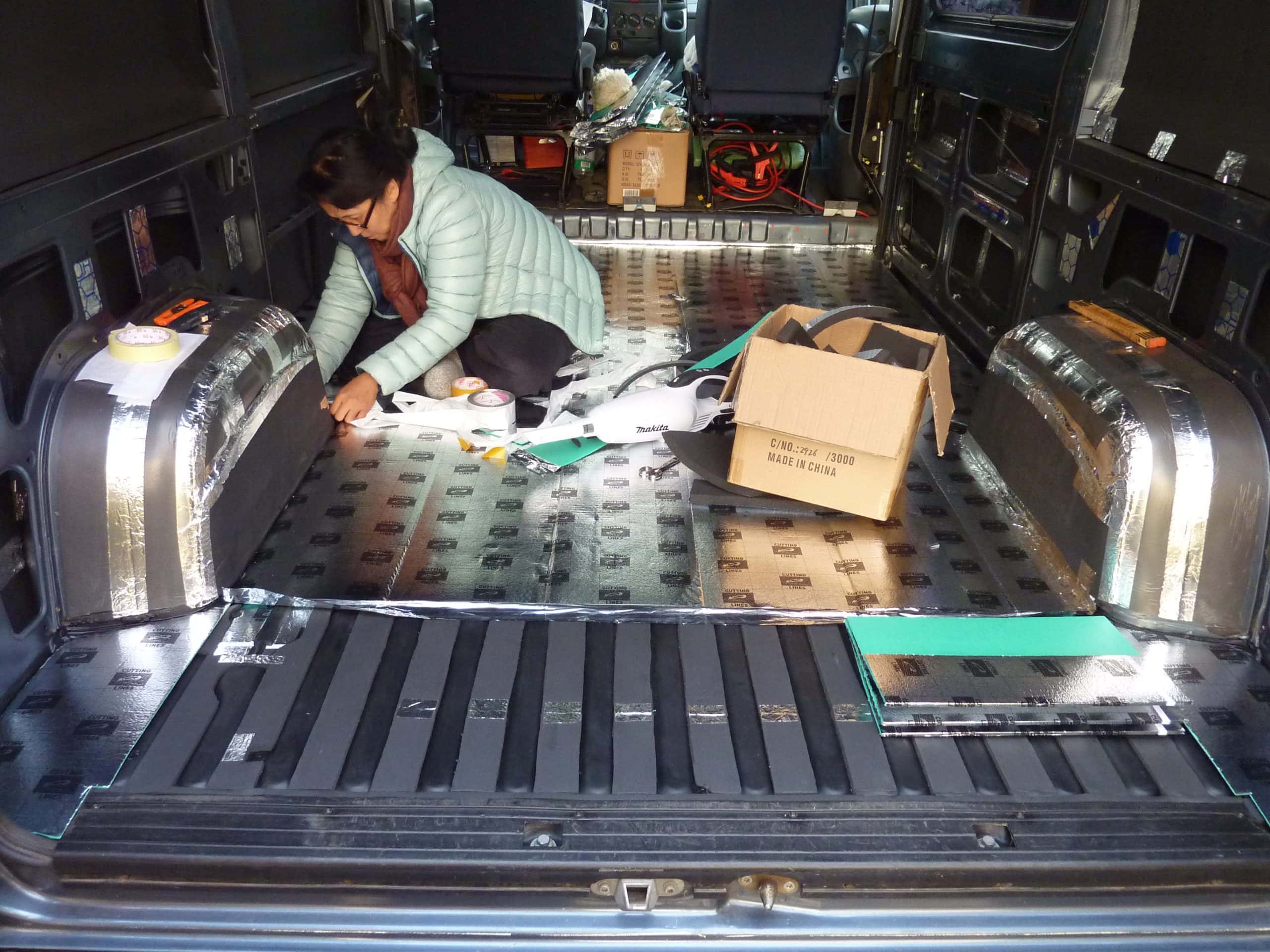
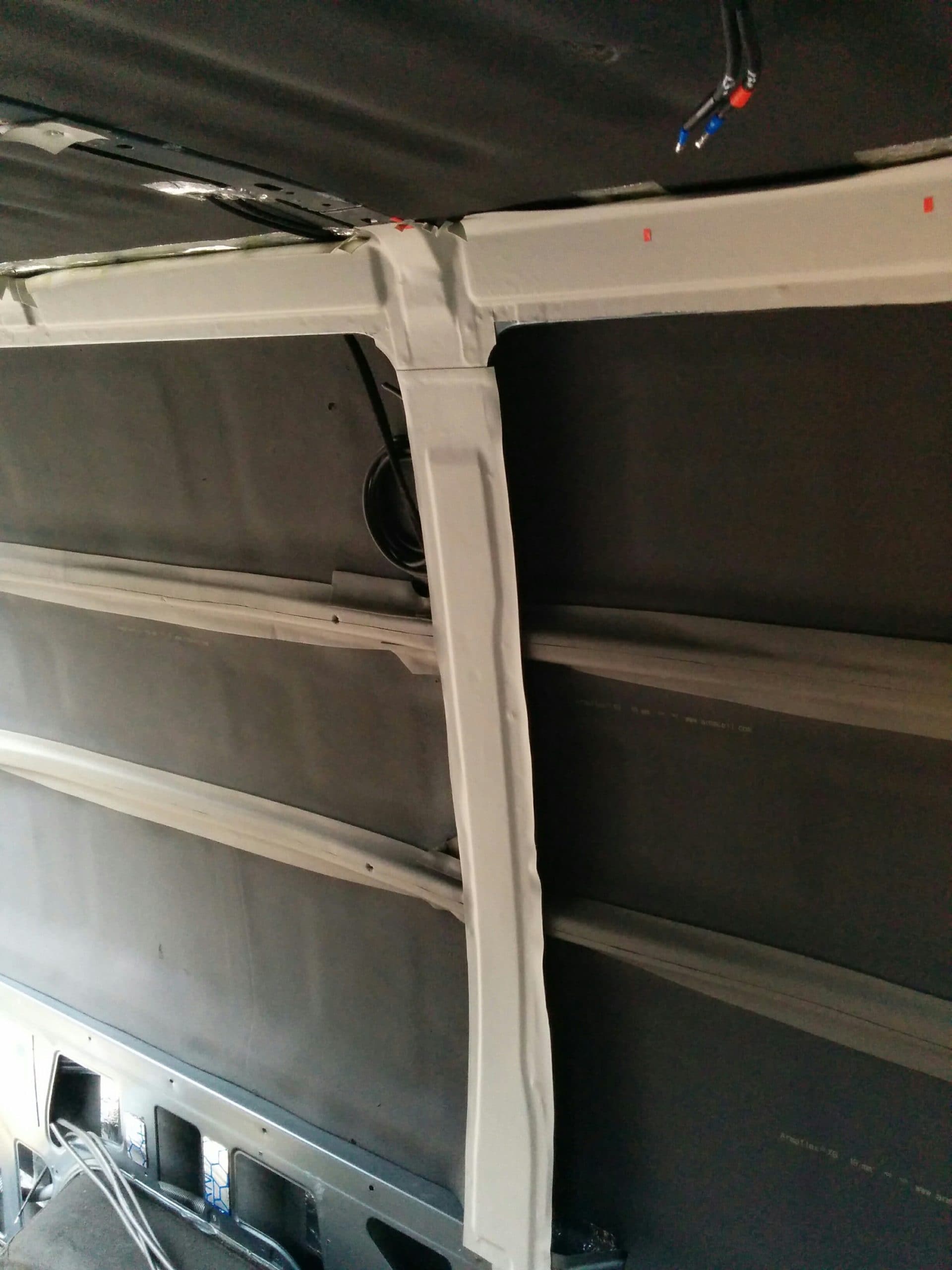
For the rest of the van, Armaflex works as your main insulation layer, while Alubutyl—a self-adhesive butyl rubber with an aluminum foil backing—is applied directly to the metal panels underneath to stiffen them. This reduces vibrations and keeps the metal from acting like a giant resonating membrane. The result is less noise on the road and a much calmer interior overall.
And it’s really not difficult. The installation itself is straightforward—you mostly peel and stick—but it does require some discipline. Yet the payoff is absolutely worth it: less rattling, less road noise, and a van that actually stays warm when temperatures drop. All the little details you handle early on will define how “livable” your home on wheels feels in the long run.
So in our opinion, it’s time and money well spent to do this properly from the start. It’s one of those investments that’s easy to overlook or brush off as “not really necessary,” but in practice it makes all the difference. Skip this step and you’ll feel it every cold morning and every noisy drive. Do it once, do it right, and your van will feel like a home instead of a metal box on wheels.
Materials Overview: Armaflex and Allobutyl
Armaflex: Flexible Insulation Mat
Armaflex is a closed-cell elastomeric foam widely used in van conversions for its thermal and moisture-resistant properties. Key points are:
- Thermal insulation: Reduces heat transfer, keeping your van warmer in winter and cooler in summer.
- Moisture resistance: Closed-cell structure prevents mold and water damage.
- Lightweight: Adds minimal weight, preserving driving performance and fuel efficiency.
- Easy installation: Cuts cleanly, bends easily, and fits into tight or awkward spaces.
Practical use in our van:
- Walls, ceiling, and floors: 19 mm thickness is ideal for general insulation.
- Floor crevices: Pressed into gaps first for a flush surface.
- Extra layer: 3-5 mm polystyrene/styrofoam on top of Armaflex on the floor improves both thermal insulation and sound damping.
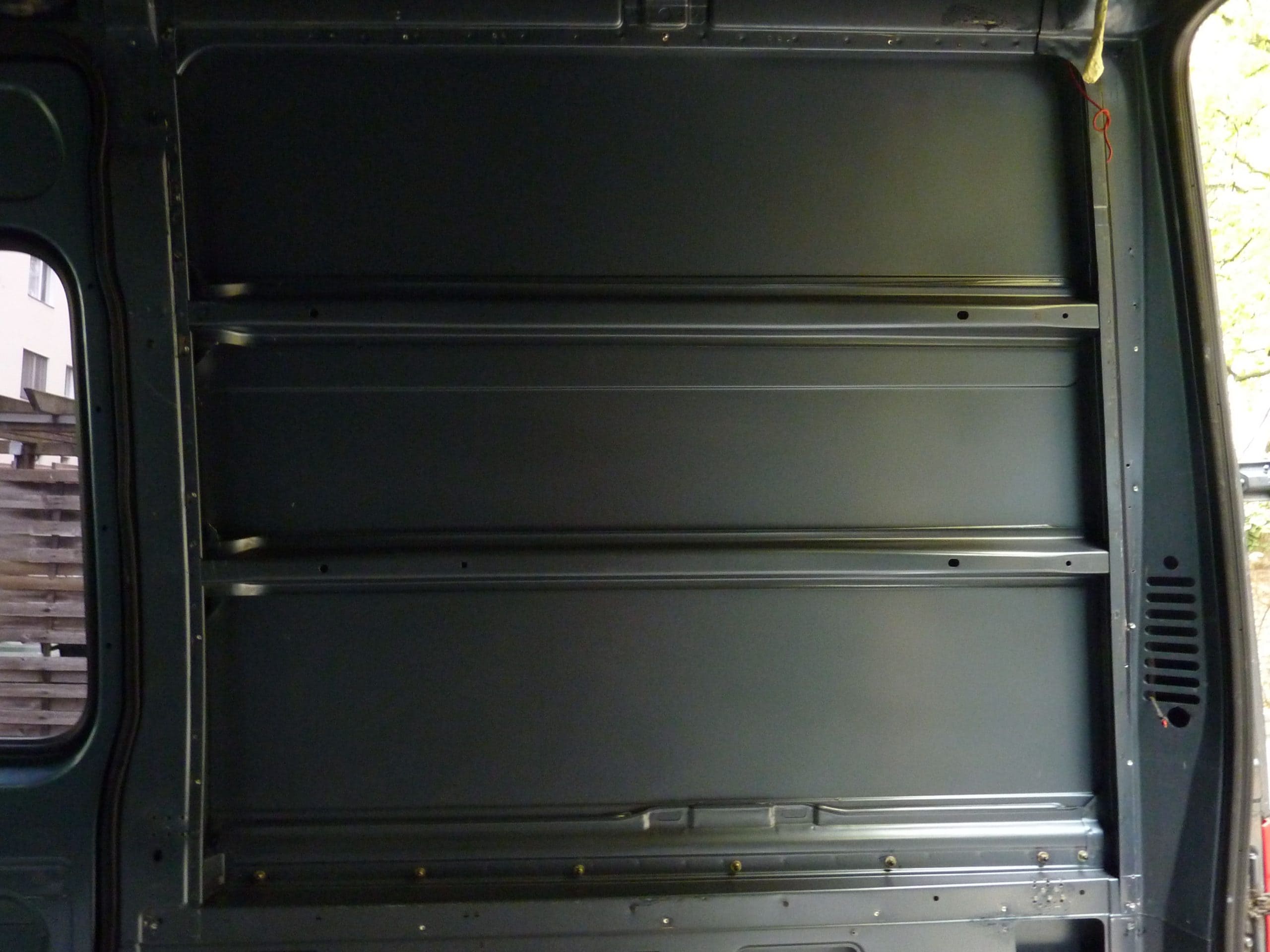
Allobutyl: Strong Sound-Damping Material
Allobutyl is a self-adhesive constrained-layer damping mat made of butyl rubber with an aluminum foil backing. It’s used to reduce noise and vibrations from metal panels.
- Reduces outside noise: Traffic, wind, and campsite sounds are dampened.
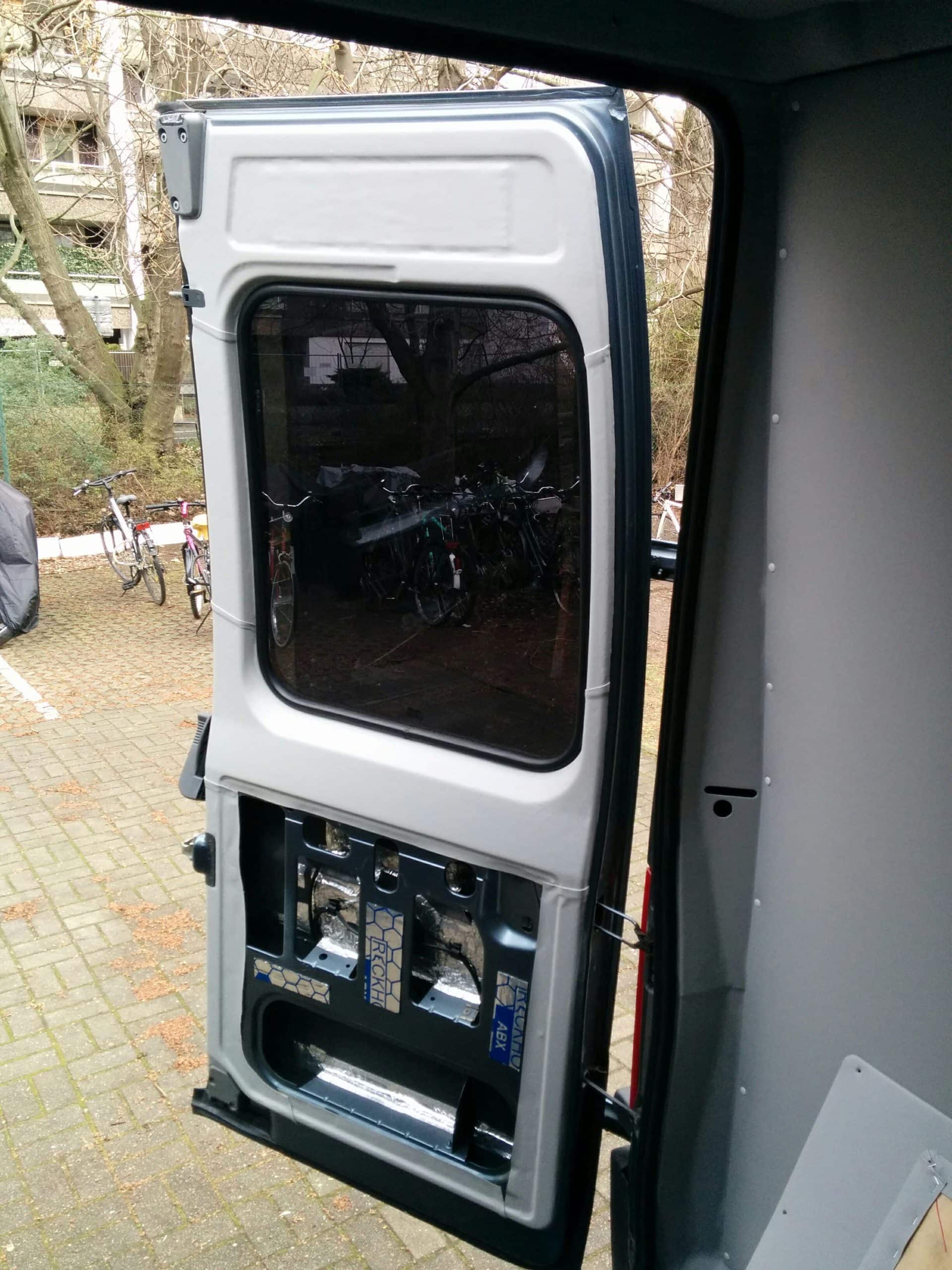
- Improves ride comfort: Limits resonance in large metal panels, including doors (Don’t forget the doors in the driver’s cabin) and wheel arches.
- Softens metallic sounds: Rain, hail, and rattling are less noticeable.
- Simple application: Peel-and-stick directly to metal surfaces.
Practical use in our van:
- Applied directly to metal panels before insulation layers (underneath).
- Works together with Armaflex to both stiffen metal and reduce vibrations.
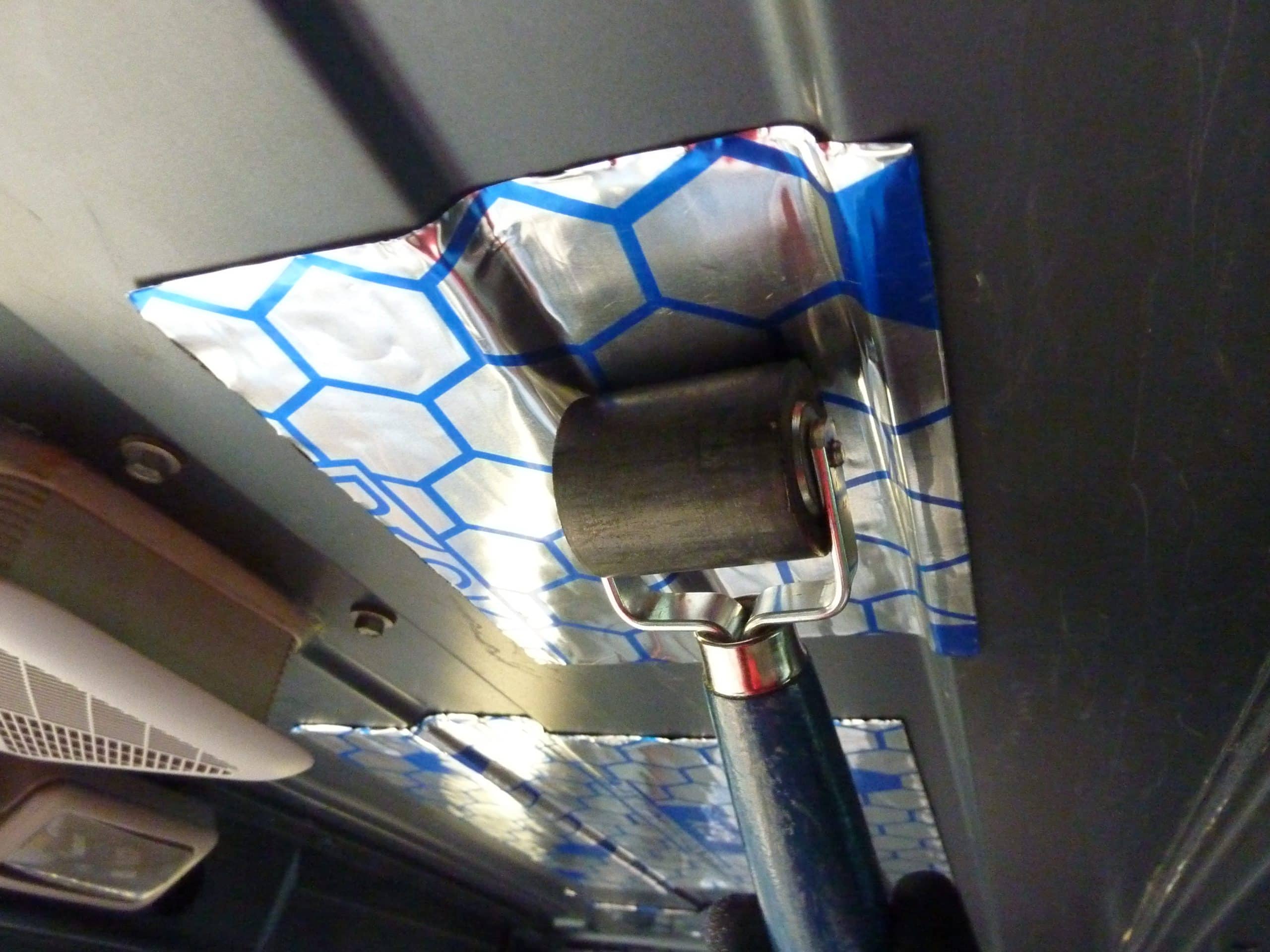
TIP: You can use a roller which makes it much easier to apply the Alubutyl.
Reducing the Risk of Thermal Bridges
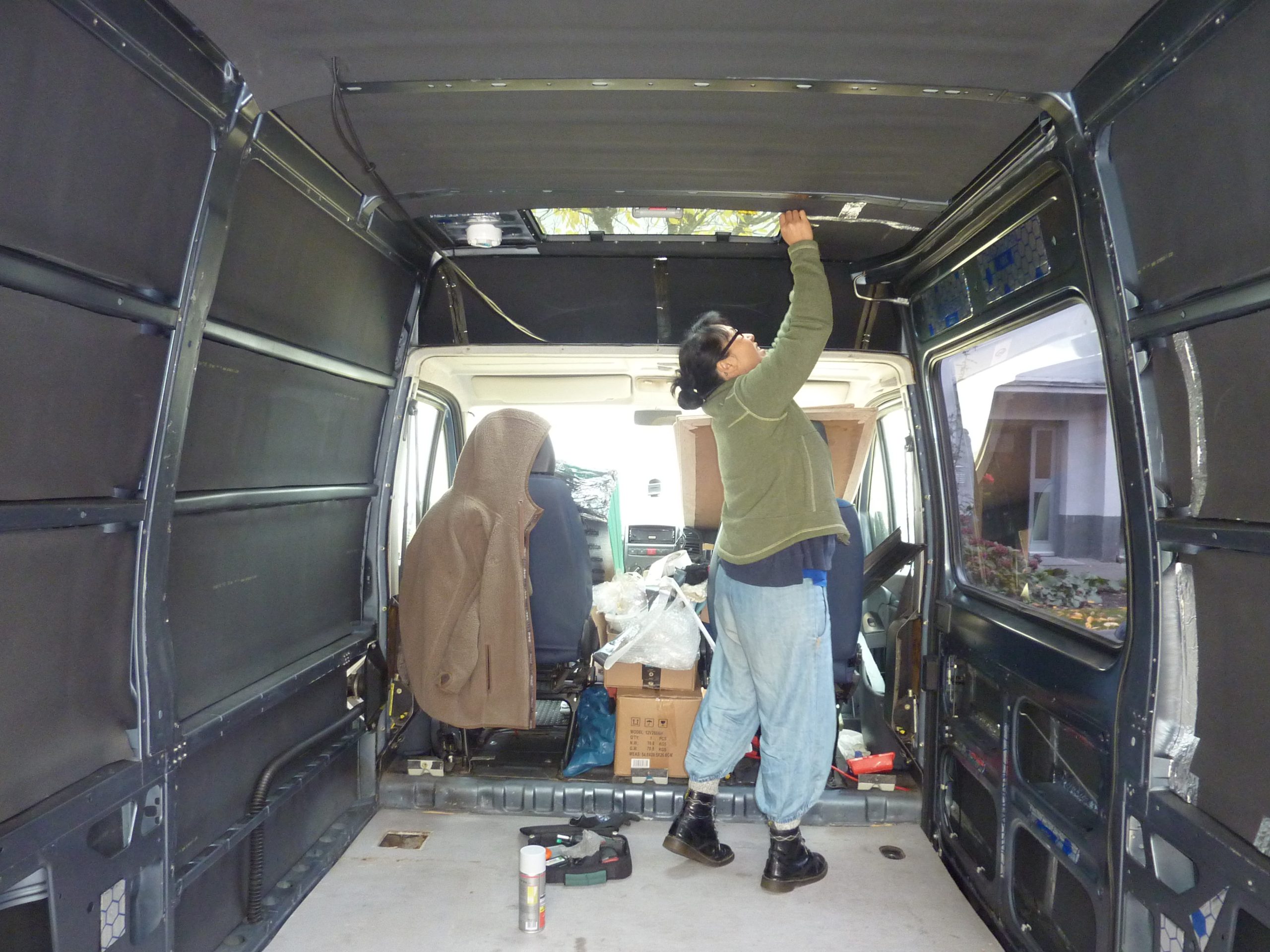
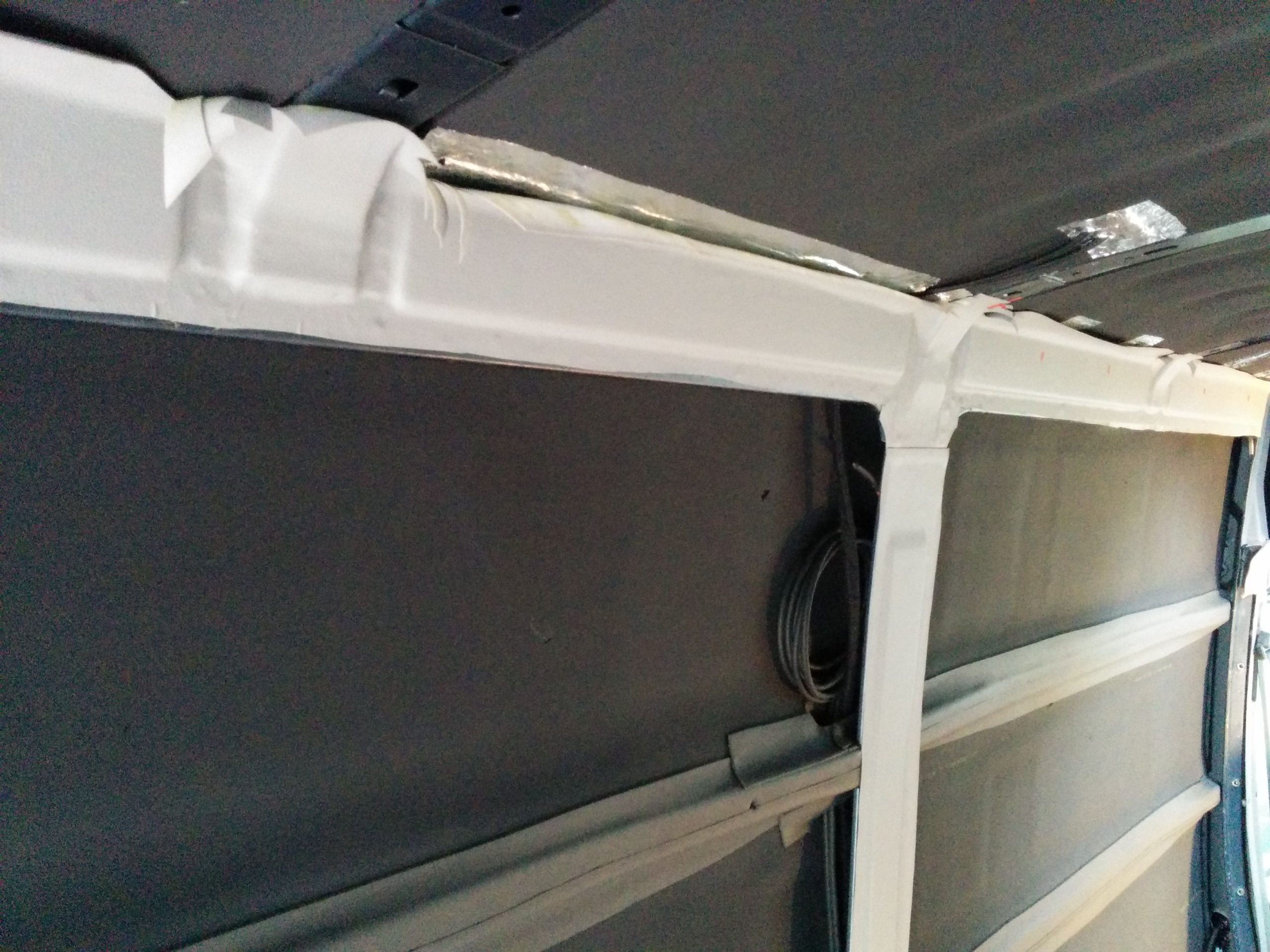
An important detail in any van insulation project is sealing the gaps between the Armaflex mats. Even small cracks can become thermal bridges, letting heat escape and reducing the effectiveness of the entire system. That’s why we used aluminum tape to seal all seams and create a continuous surface—eliminating weak points where cold air could slip through.
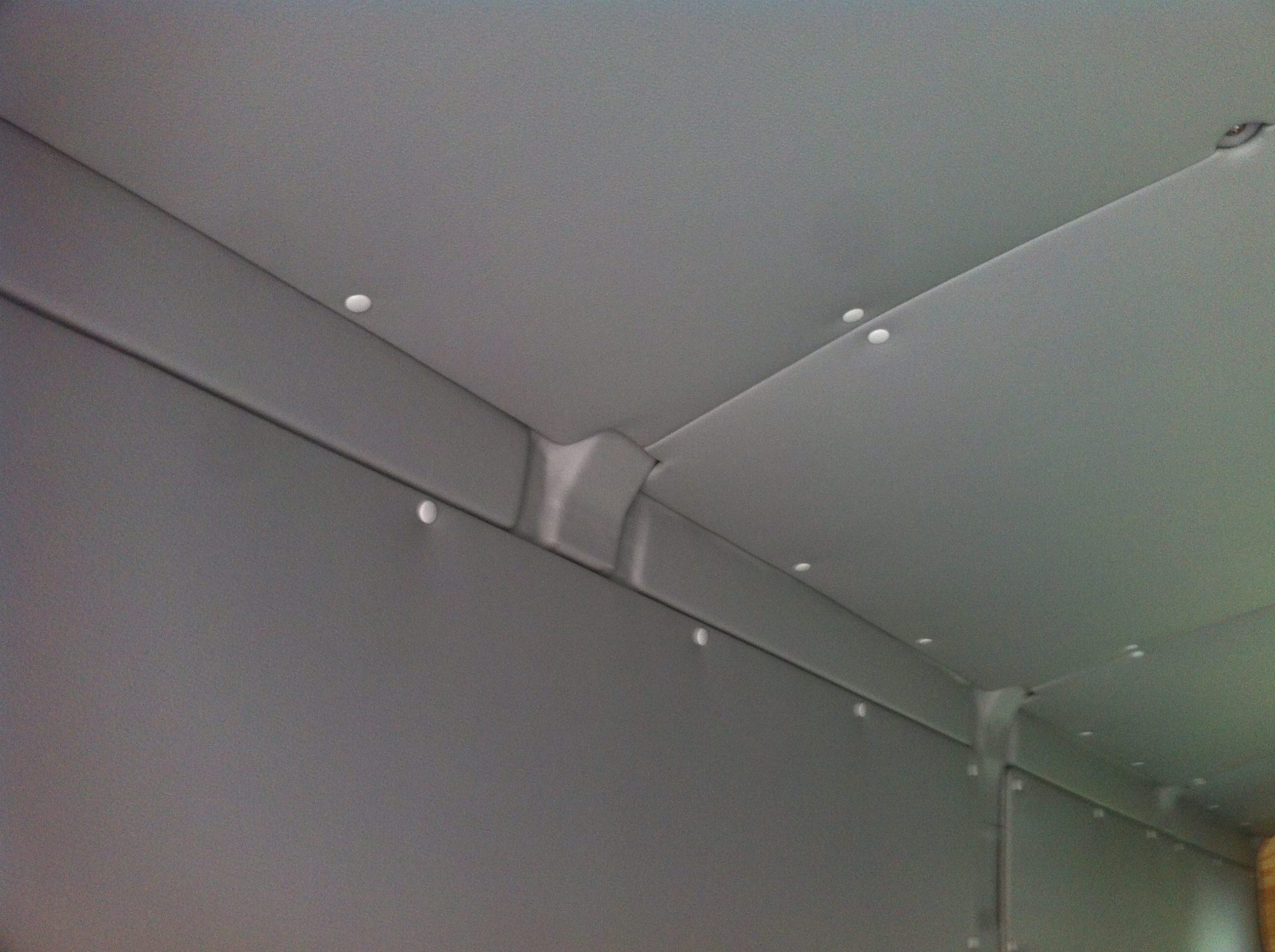
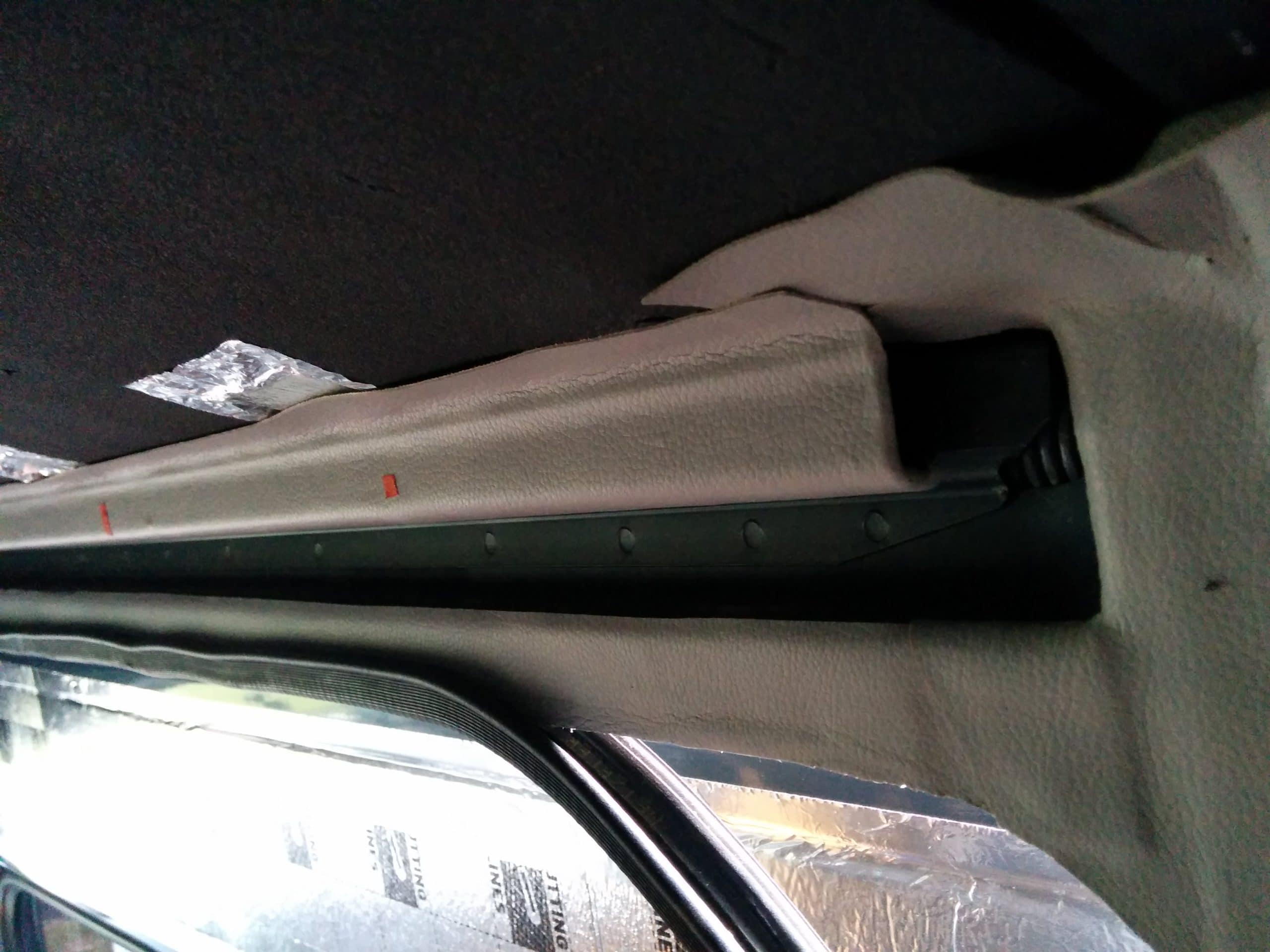
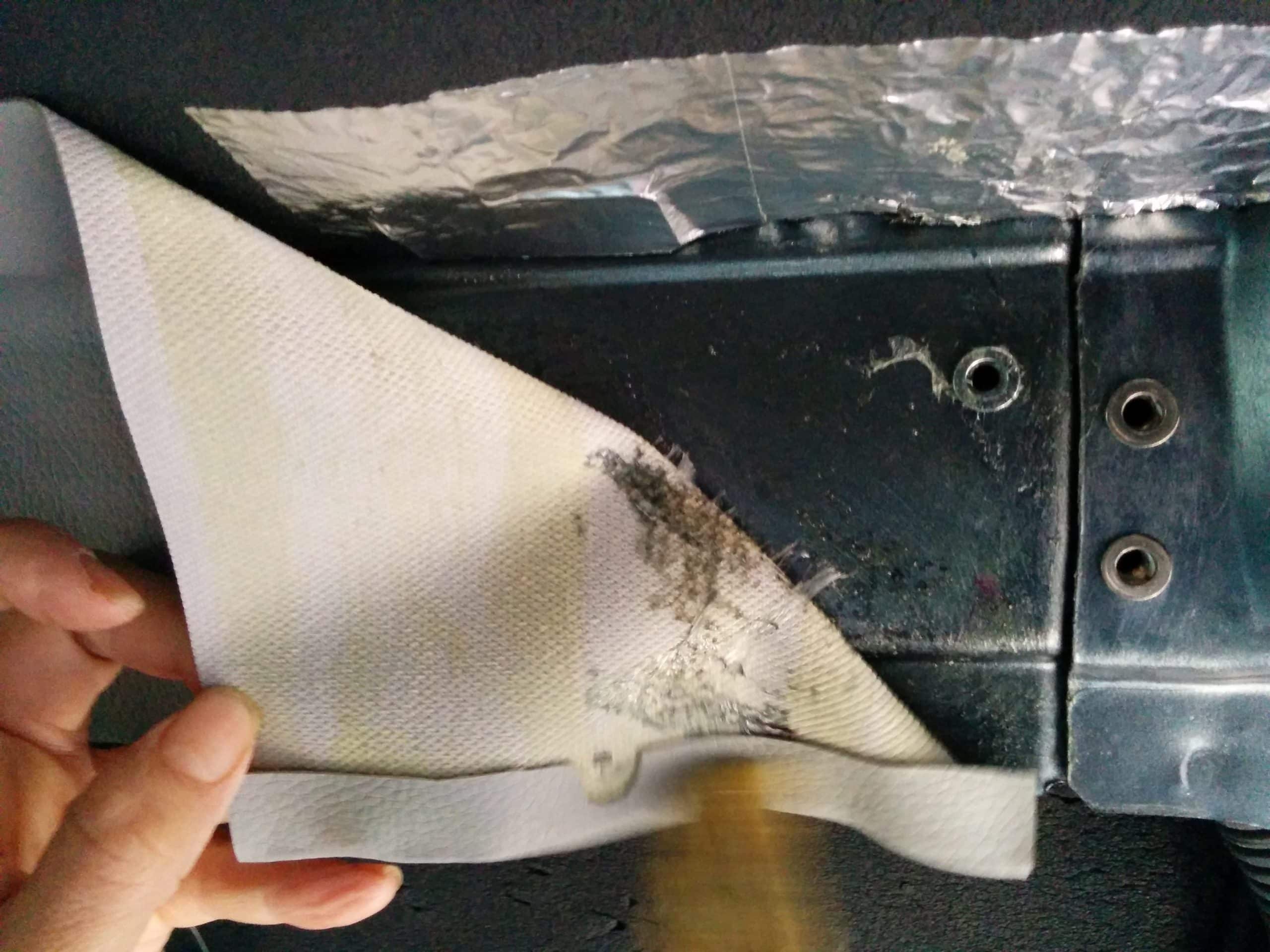
It’s especially important to take your time in tricky areas such as windows, doors, corners, and ribbing. Cutting insulation pieces to fit tightly ensures no bare metal is left exposed. And for additional protection, we glued a thin automotive fabric over certain metal surfaces to reduce direct cold exposure and minimize areas where condensation could form—one of the main causes of rust and hidden water damage.
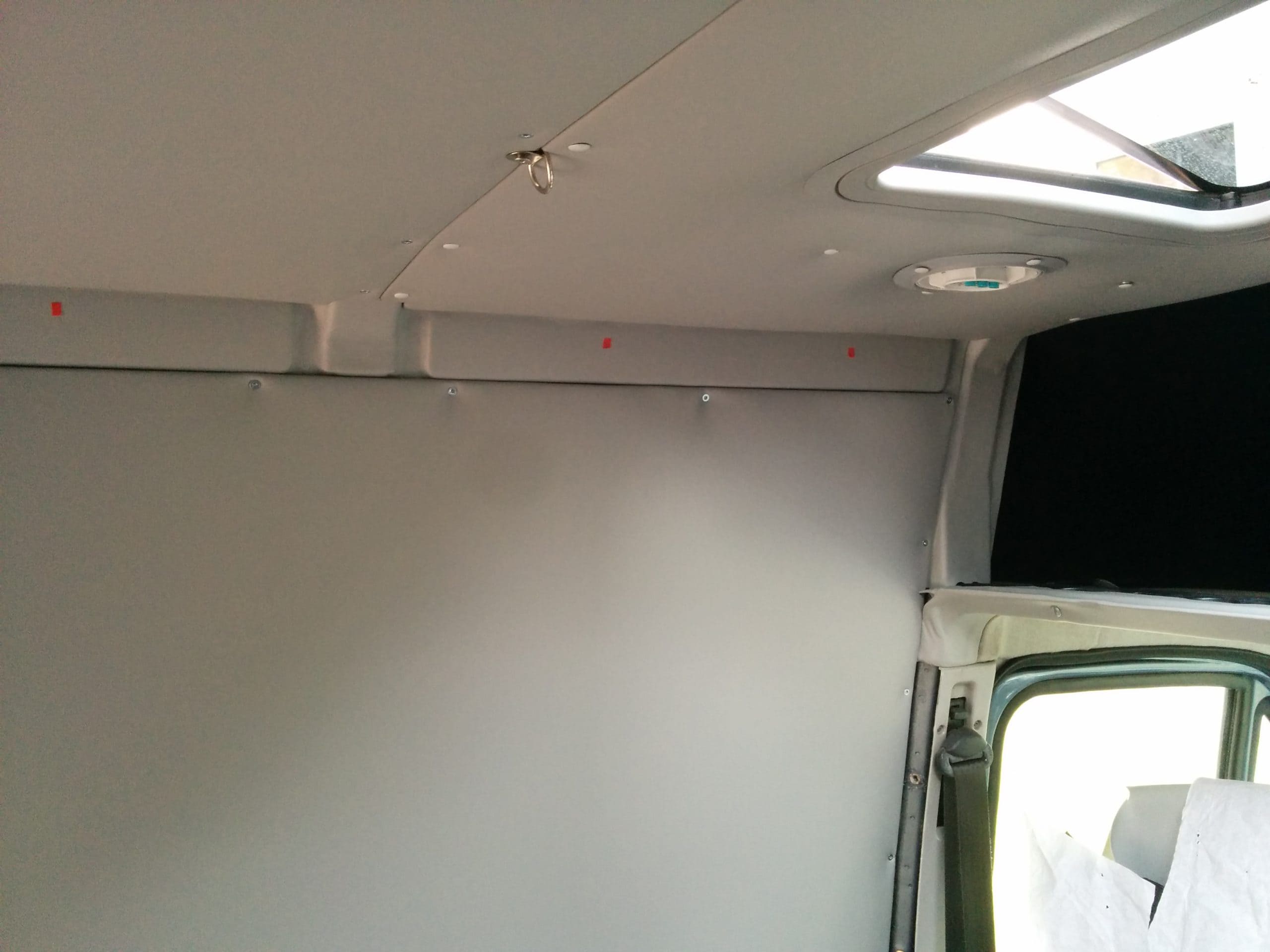
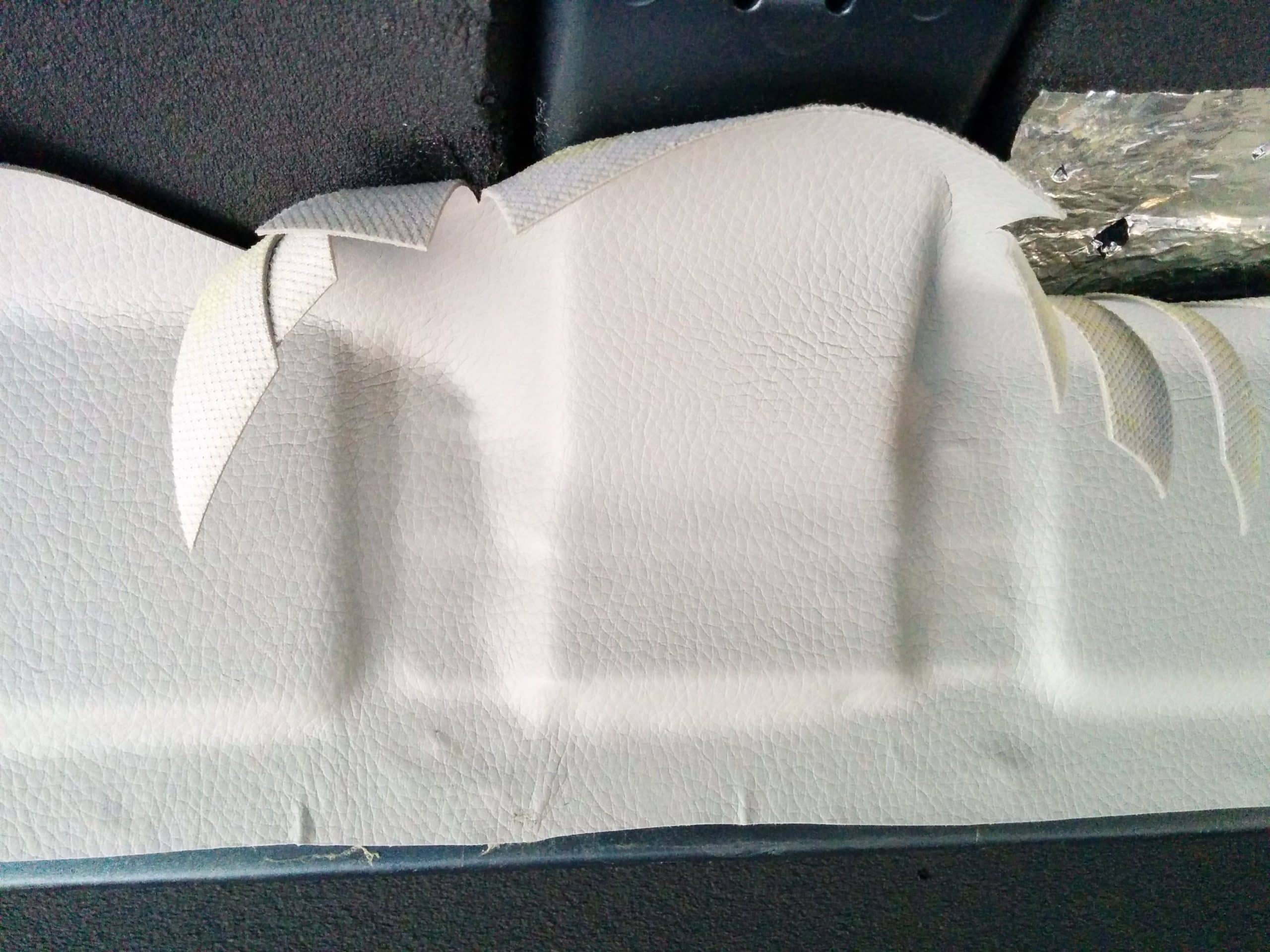
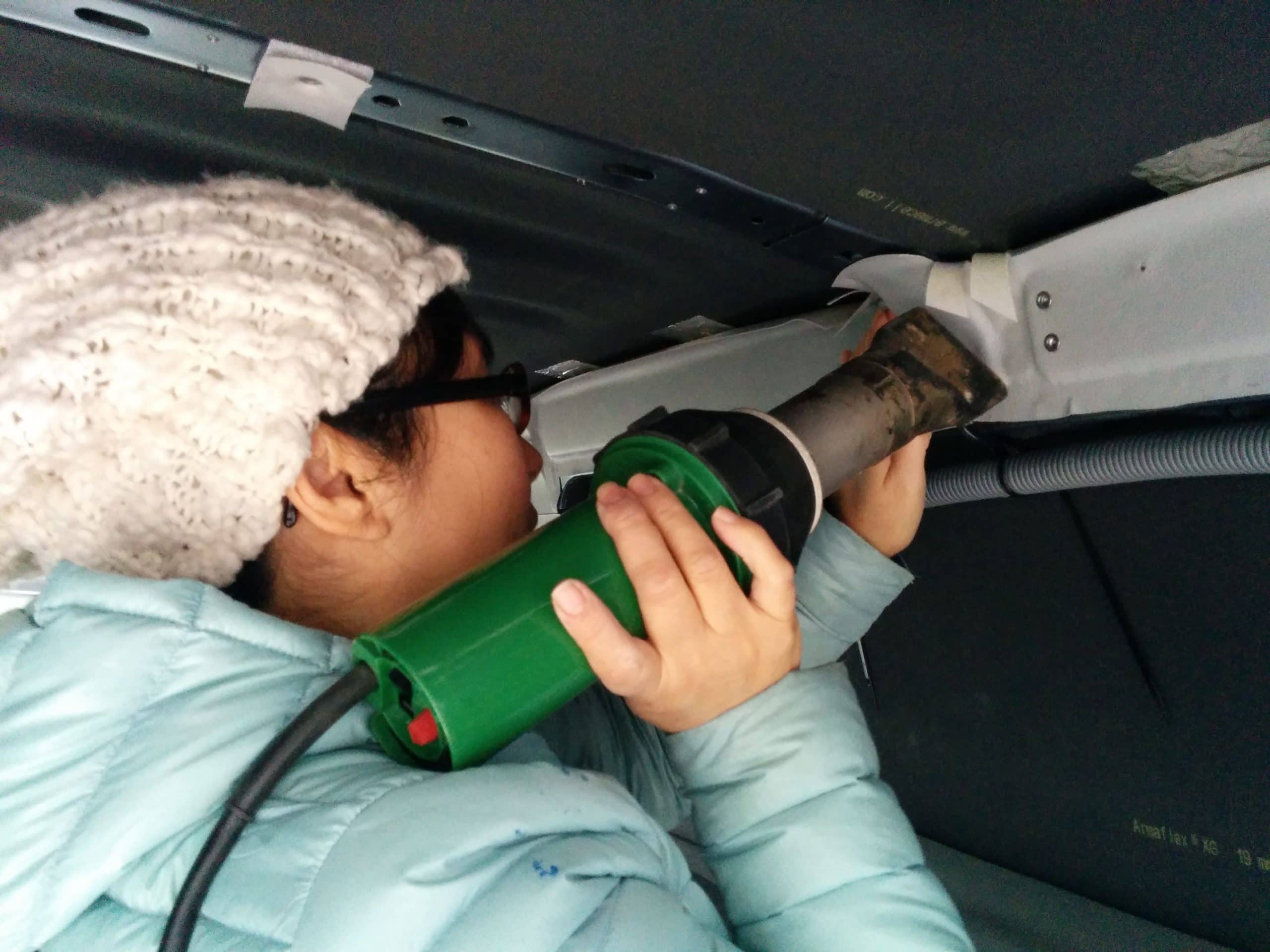
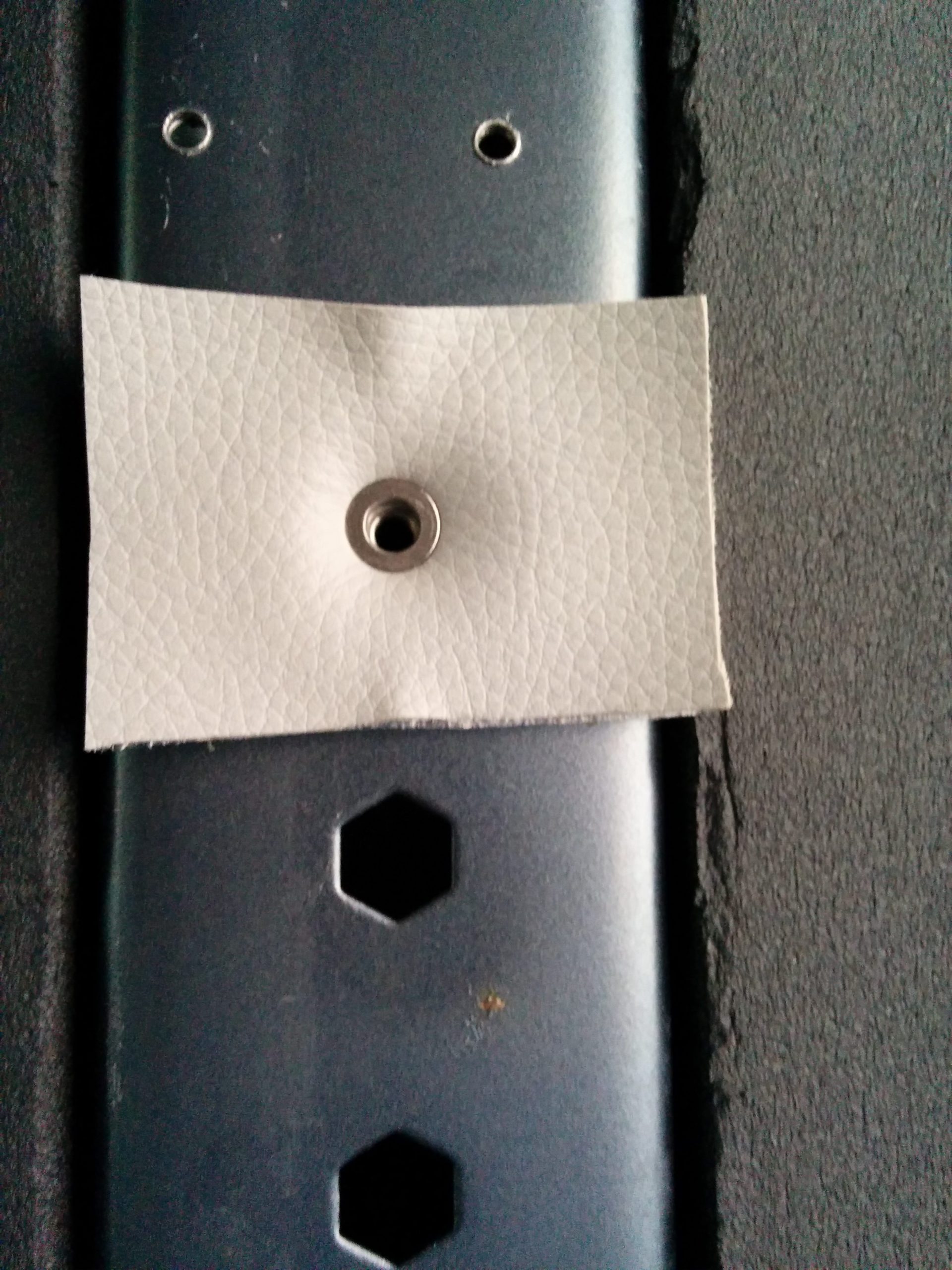
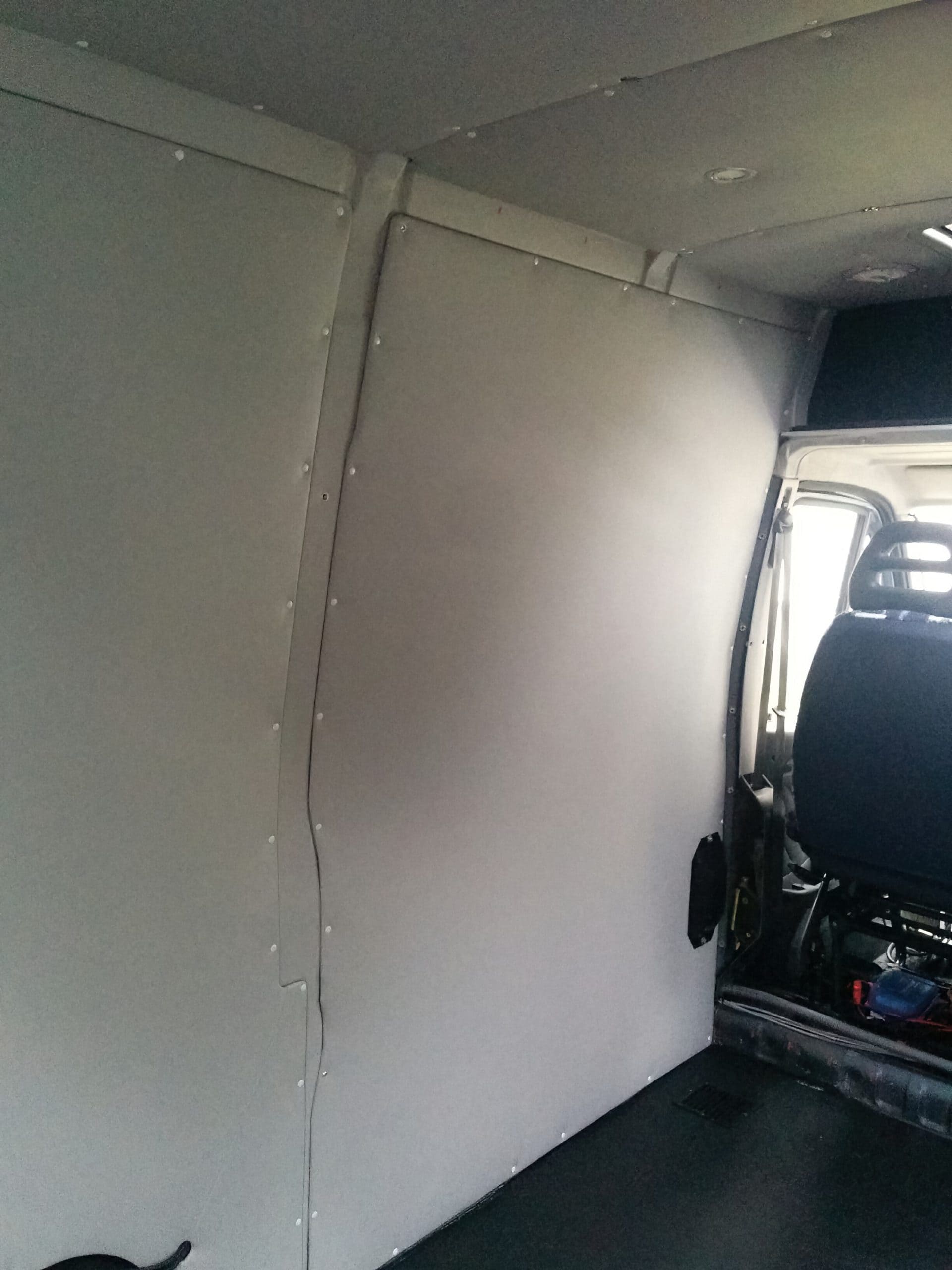
Most of our metal surfaces were later covered in a grey artificial leather, applied with a specialty automotive glue and a hot-air dryer.
TIP: Always glue from top to bottom. Otherwise, the seams will collect dust over time. We learned this the hard way—nothing dramatic, but definitely something we’d do differently next time.
The faux leather doesn’t just reduce condensation and add insulation; it also makes the space far more comfortable to touch and visually warmer.
The only thing to keep in mind is choosing a fabric that’s durable and not easily scratched or torn. Test it before you buy it in bulk or commit to covering large areas.
To further control moisture, we also place small salt-based dehumidifier containers in the van’s back and front and keep steady ventilation running with a modded, computer fan that can be speed-controlled. This helps move humid air out and reduces the risk of mold—especially in colder months.
By taking care of these details—taping seams, fitting insulation precisely, covering exposed metal, and managing humidity—you ensure your insulation works as efficiently as possible, keeping your van warmer, drier, and more comfortable year-round.
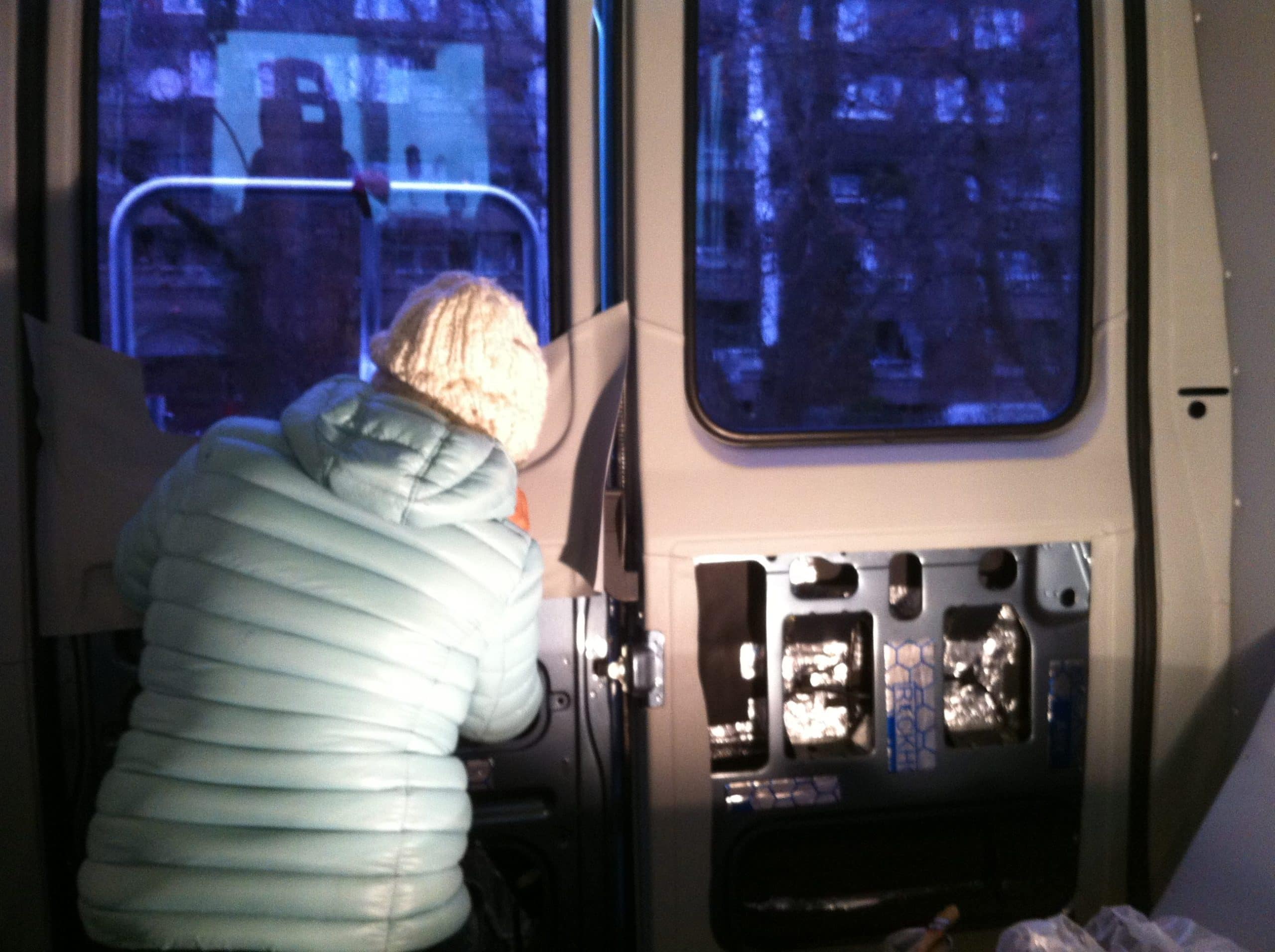
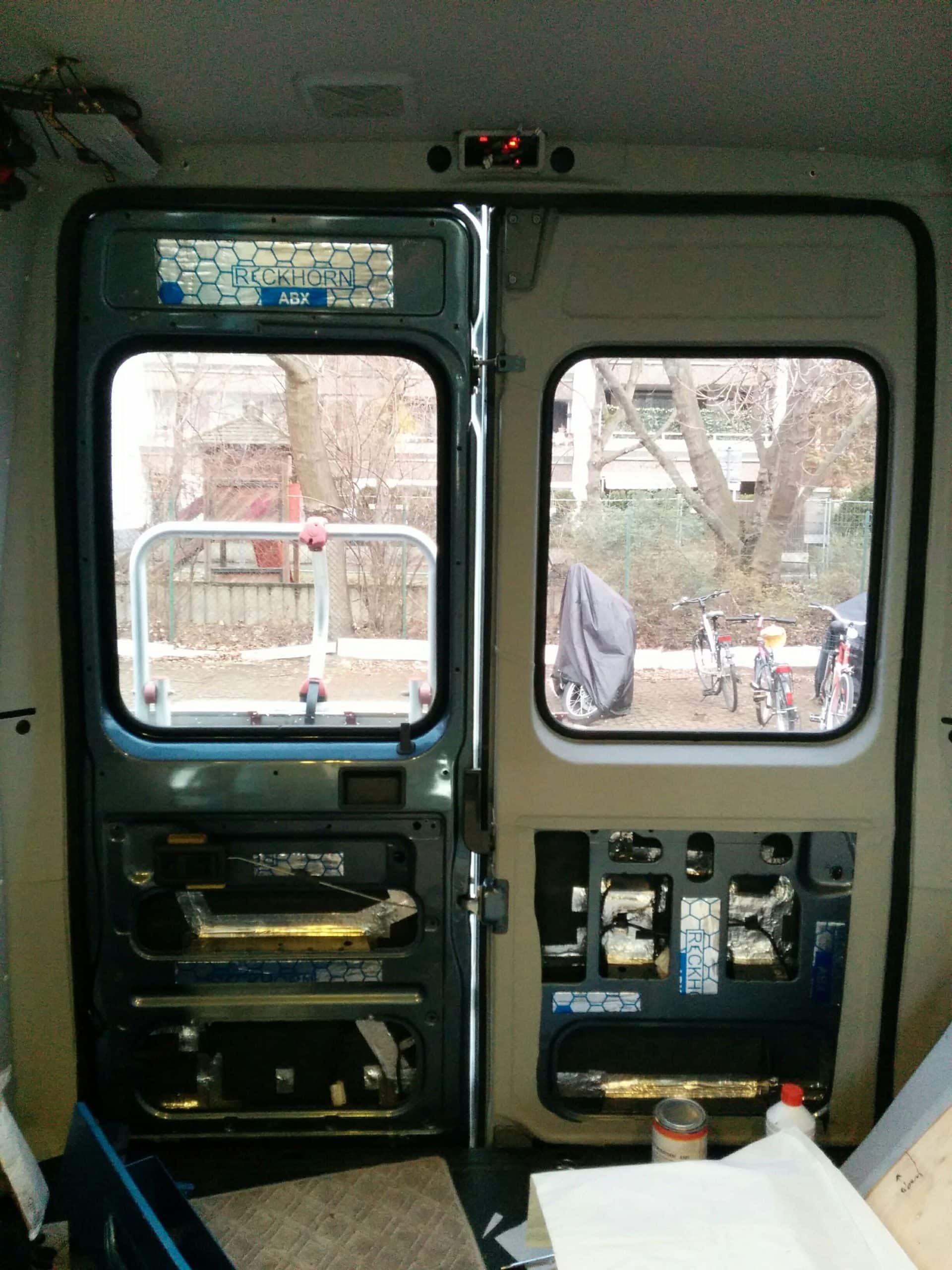
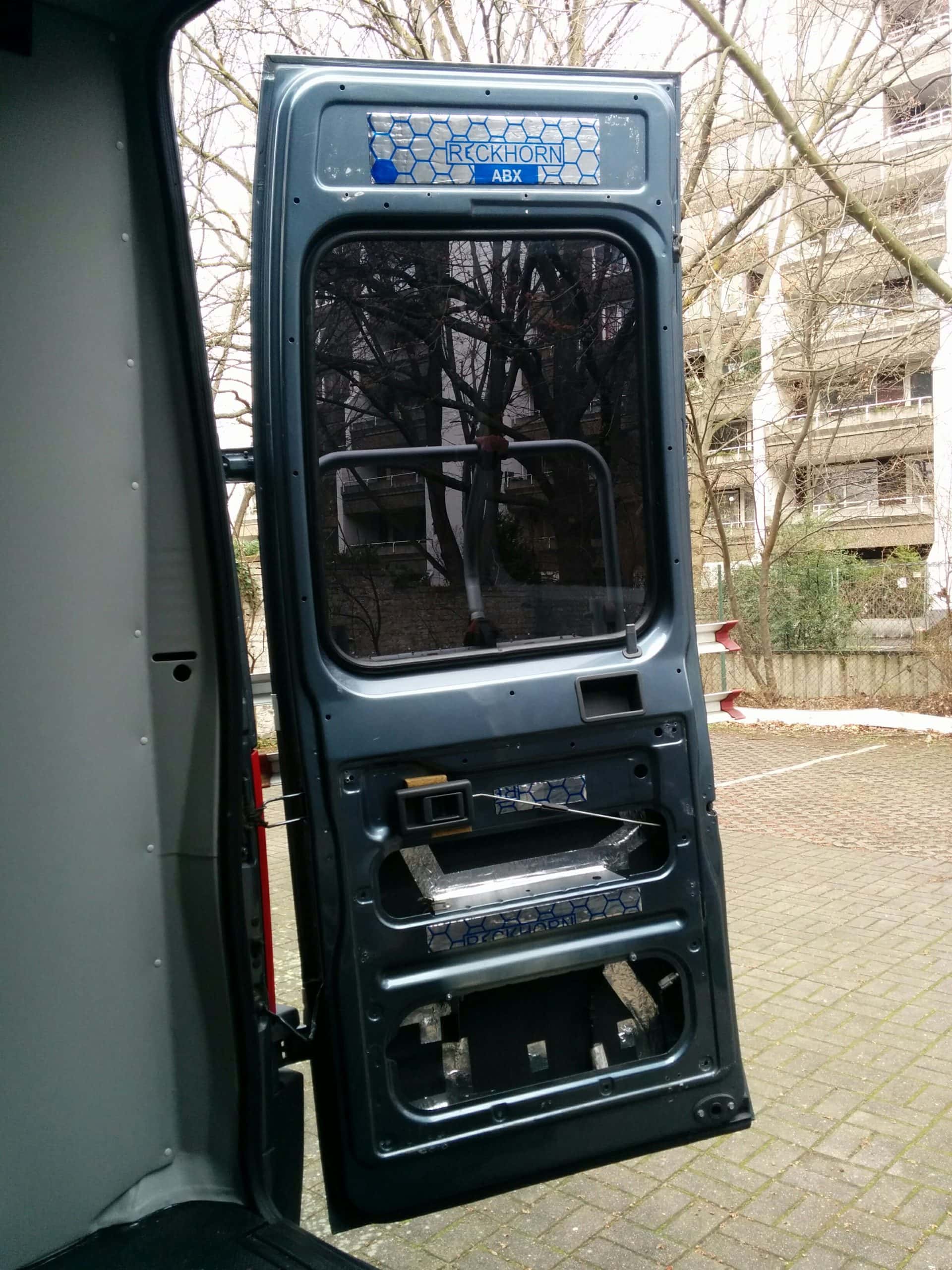
Summary: Using Armaflex for insulation, Allobutyl for soundproofing, and addressing thermal bridges with aluminum tape and automotive fabric creates a van that’s warmer, quieter, and more energy-efficient—without being overly complicated or adding much weight. Thicknesses and placement choices matter, and small details like the polystyrene floor layer make a huge difference in real life.
We hope these insights help you with your own van build. Good luck with your insulation— and may the warmth be with you!
You may also like

Fitting WIFI & LTE in Our Camper Van
For telecommunications, we use a Netgear AirCard 810 WLAN router, and it’s been fantastic. Just…

Custom-Made Furniture for Our Camper Van Build
With a convertible bed, cushions that double as seating and sleeping, and a shower in a drawer, we…

How We Did the Upholstery for Our Camper Van
We also took apart the seats in the cab and reupholstered them with a vintage 80's fabric. It…