
How We Keep Our Camper Van Warm While Staying in Stealth Mode
A Look at Our Heating System and Window Insulation for the Colder Months.
In another article, we already covered how we insulated our camper van with Armaflex from the ground up. If you haven’t seen it yet, you can read all about it How We Keep Our Camper Van Warm While Staying in Stealth Mode.
In this section, we’ll focus on a different part of the build: the heating system, how we insulated the windows, and how we separated the living space from the driver’s cabin with a doubled-up curtain for better heat retention.
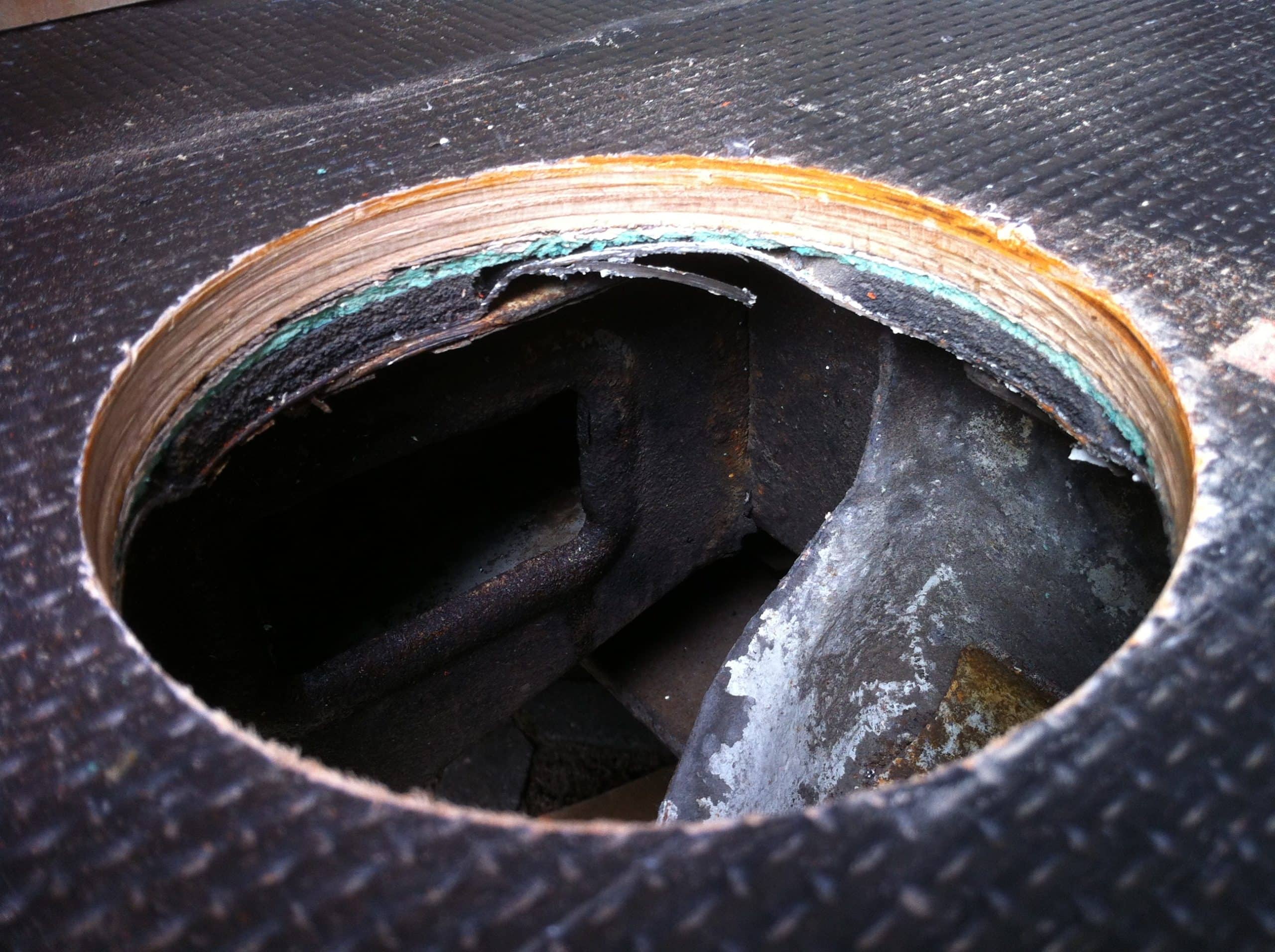
Part of the insulation that we haven’t talked about yet are the curtains between the cab and the rear.
We have a green velvet curtain for the back and a more robust dark gray curtain that looks simpler at the front. They are snap-fastened to the metal wall and together they not only insulate but also keep the light in and out, which is part of our “stealth” concept along with the window covers we designed. These can be stuck between the rubber frame and the glass with small plastic connectors and also have small magnets in the lighter fabric border that covers the gaps to block out all light. These window covers also help with insulation, especially on cold winter days. We had no problems with our down sleeping bag while traveling in snowy Switzerland. So we can say with confidence that the insulation works even in extreme weather, both cold and hot.
And the extra benefit of keeping the light from getting out with the window covers, our “stealth mode”, is that we can park the car in a town or city and sleep in the car without anyone noticing.
Heating:
We are glad that we installed a heating system, which has already been a lifesaver if you use your motorhome not only during the summer holidays. And we can recommend and remind everyone that whatever you do, don’t skip the floor insulation if you want warm feet. We gladly installed it. A typical house floor insulation of about 3 to 4mm will do the trick, but without it you may regret never taking the floorboards out. Especially when all the furniture is in place, you are unlikely to take it all down to fix it.
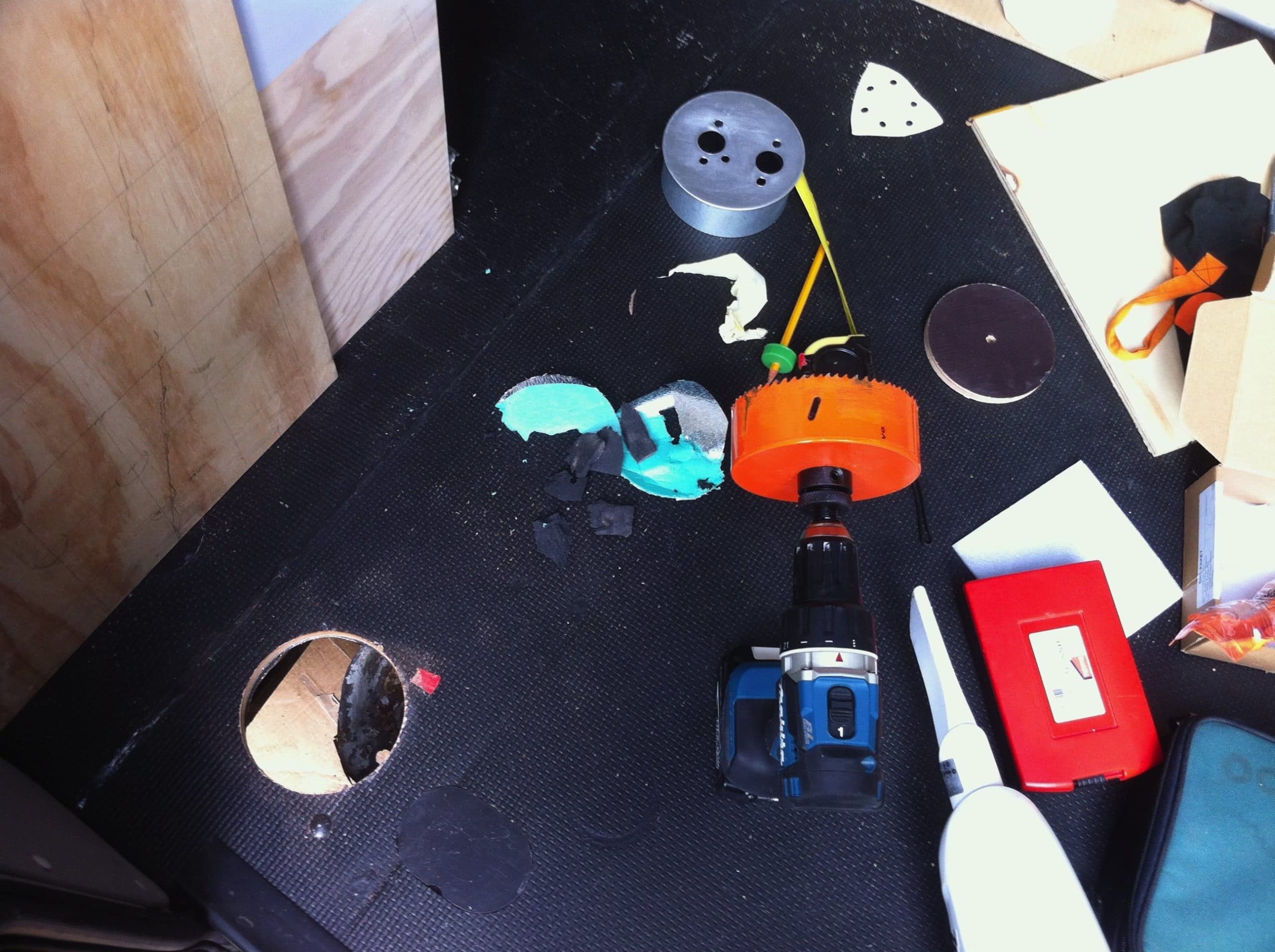
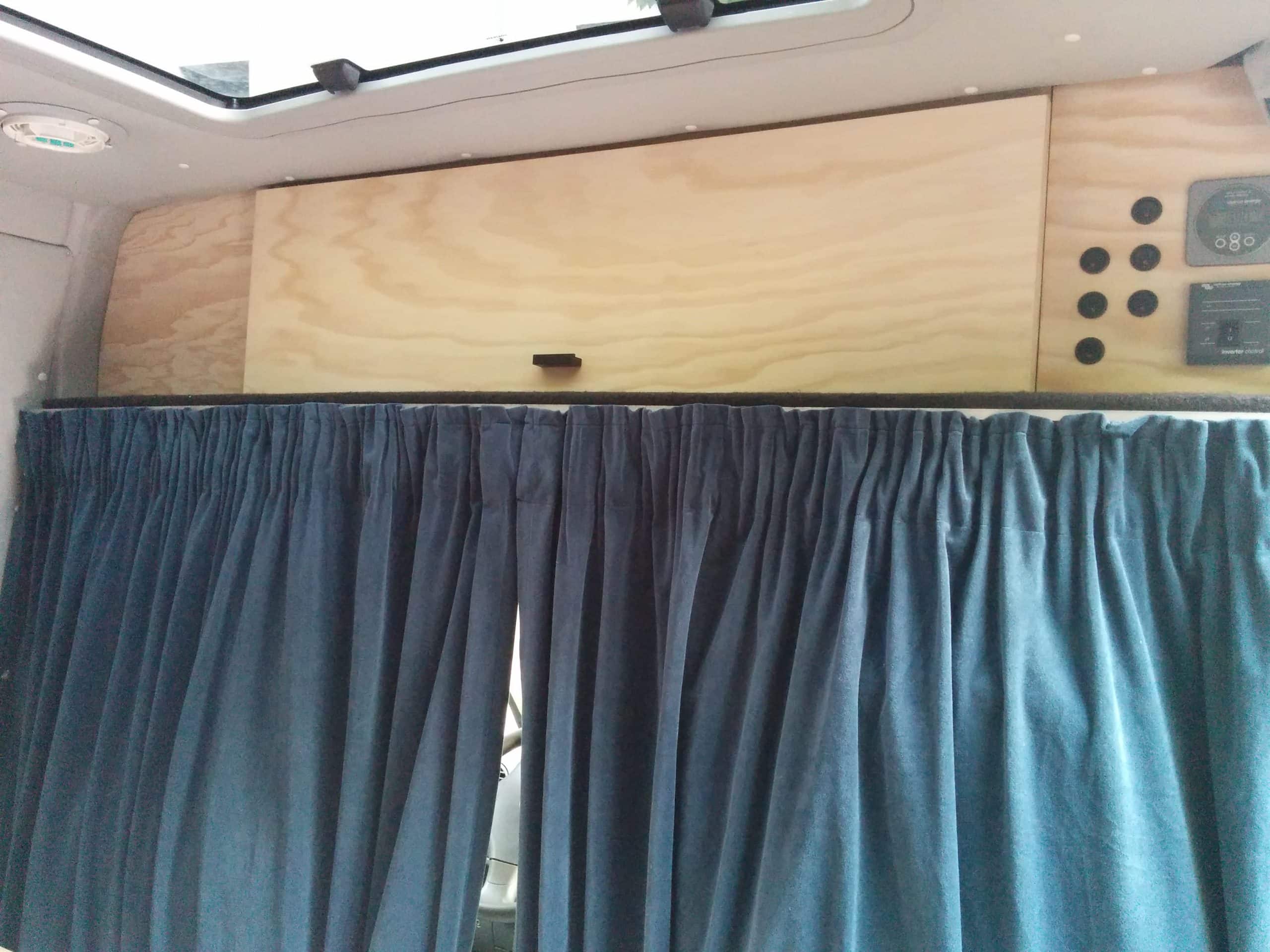
Cutting a hole into the van’s floor was one of the more exciting moments of the build. You never quite know whether your measurements will line up perfectly until the hole is already there—and when you’re aiming for a very specific spot underneath the vehicle, there’s no room for mistakes. In our case, the available space for the heater was extremely limited. The structural beams under the van floor dictated exactly where we could position it, leaving only one location where the unit would actually fit.
Because of those constraints, we had to place the heater slightly closer to the side wall than the manufacturer recommends. In theory, this could reduce the unit’s peak performance, but for the size of our camper it still delivers more than enough heat. It was a minor trade-off, and realistically, we had no alternative location where the heater could have been installed.
The unit now sits neatly under our wardrobe inside a wooden box we built specifically for it. The box doubles as a shoe storage area, and since it gets a bit of indirect warmth from the heater, it keeps our shoes dry—something we didn’t plan for but has turned out to be surprisingly practical.
We also chose not to install an extensive ducting system that would have required routing pipes through the bed frame and eating up valuable storage space. Instead, we kept things simple: the heater box has two ventilation openings with adjustable blinds so we can direct the airflow where we need it.
And this solution works perfectly for us. In such a compact space, the warm air circulates evenly, and we’ve never once felt that additional ducting or a more complex pipe system would have made a meaningful difference. The heater warms the living area quickly, and the simplicity of the setup means less maintenance, fewer potential issues, and no wasted storage space.
The heating system we installed is a Webasto Airtop 2000 STC that runs on super gasoline. For our setup, we used a D60 silencer, a 90° T-piece, a Y-distributor (D60-60-60), and two T-pieces with threaded D60-60-60 connections for the outlets.
For the warm-air distribution, we kept things simple: two grey D60 outlets with adjustable blinds, paired with two D60 wall feed-through adapters, and closed off the system with a D60 end cap. Inside the wooden heater box, everything is connected with a D60 double connector.
The box itself has its own air-intake holes and extra ventilation openings so the heater can breathe properly and release excess heat. That way, even though the installation sits in a tight space under the wardrobe, there’s no risk of overheating—and the whole setup stays safe and efficient.
Next camping season we’ll add some more photos so you can see how everything looks in the finished setup.
Till then, stay warm & Camp on!
You may also like

From Ideation to Manifestation: How Turning Your Dreams Into Reality is Like Building a Campervan
We know visualizing is key to manifesting goals, but what’s often overlooked is taking the action…
Stripping Down Our Van to Its Bones
It takes a lot of courage to turn your mind inward and look at all the old metaphorical "dirt and…

Our Camper Van Project
We extend the concept of self-care to how we house our physical bodies, including the physical…