
The Invisible Script: How We Recreate Our Parents’ Conflicts
Most couple fights aren’t really about what they seem.
They follow an old blueprint we learned long before we had partners.
One moves toward tension and confrontation.
The other moves away to find safety.
Fire meets water. Aggression meets passive-aggressiveness.
The more one presses, the more the other retreats.
Round and round, often unconsciously.
Seeing the pattern is the first step to stepping out of it.
We inherit our relationship patterns from our parents.
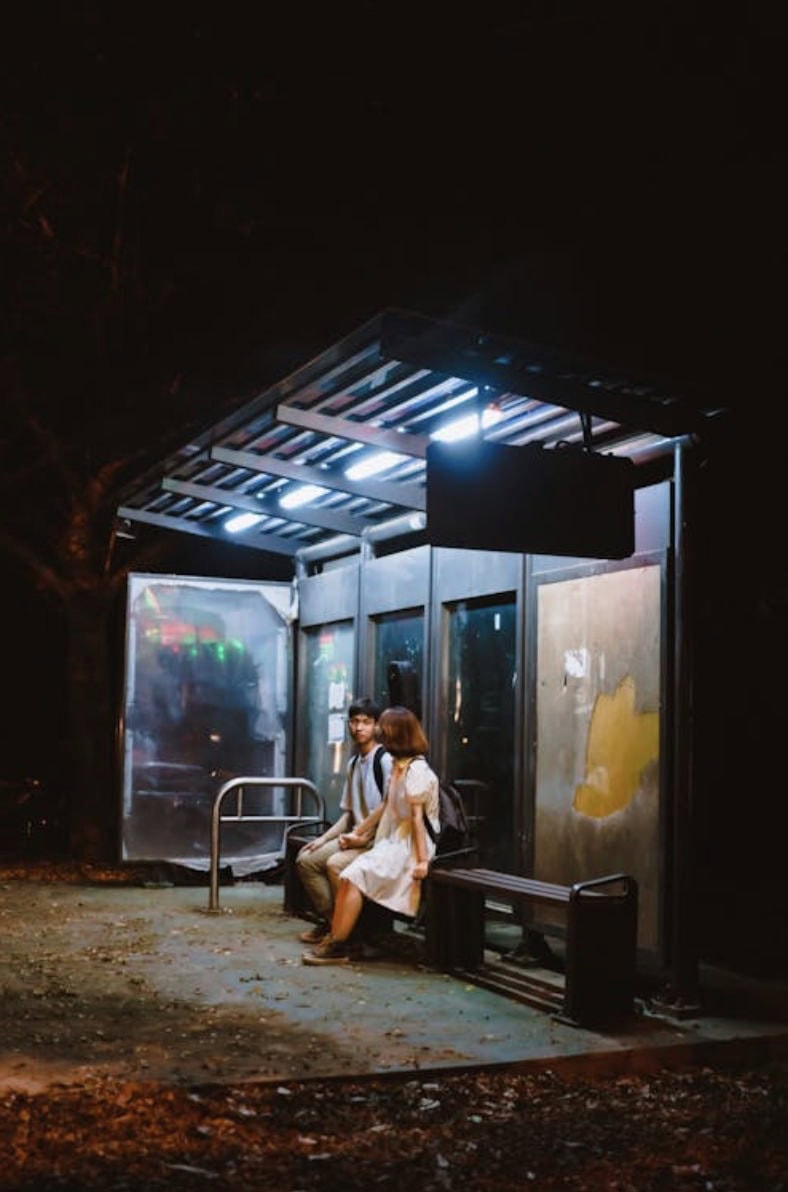
I once saw a teenage couple fighting at a bus station. They couldn’t have been older than thirteen or fourteen, but the script they were following was ancient.
She reproached; he apologized. She pressed; he shrank. It didn’t matter what the fight was about You could insert anything you’ve ever fought about in your own relationship. You didn’t text back fast enough. You looked at someone else. You forgot something important. You said it wrong. You didn’t care enough. The content is never the point.
She kept confronting him.
He kept saying sorry. Again. And again. And again.
And still, it wasn’t enough. Not enough regret. Not enough guilt. Not enough shame. Not enough submission.
At some point I thought: Wow. They are barely teenagers, and they already look like miniature versions of my parents. Or of so many adult couples I know. Same dynamic. Same choreography.
Same emotional script.
We Inherit the Map
And that’s when it hit me:
We don’t generate our relationship patterns as adults.
We inherit them.
We like to think we enter relationships with a blank slate. We don’t.
We enter with a blueprint. A nervous system model. An emotional map. Of what “love between two people” looks and feels like. Sketched out long before we ever fall in love ourselves. Most of us learned it by watching our parents.
We don’t learn about relationships from what our parents told us but by how they lived them.
How they fought.
How they withdrew.
How they criticized.
How they apologized.
How they made up.
How they punished.
How they needed.
How they controlled.
This teenage girl wasn’t just “angry”. She was playing out a role. The Pursuer: the one who seeks security through pressure. The one who reproaches, presses, confronts, demands change.
The teenage boy wasn’t just “sorry”. He was playing his role too. The Withdrawer: the one who seeks safety through compliance. The one who submits, apologizes, shrinks, tries to restore peace.
The Feedback Loop
This is one of the most common couple blueprints. It’s a loop where two nervous systems are both trying to find safety in opposite directions:
One partner moves toward conflict. The other moves away from it.
One attacks. The other adapts.
One seeks closeness through pressure. The other seeks safety through retreat or compliance.
On the surface – depending on which role you instinctively side with – it looks like she is the problem. Or, just as easily, like he is the problem.
But underneath, something much deeper is happening.
Both are trying to regulate their nervous system. Both are trying to feel safe. Both are trying to feel loved. Both are trying to restore connection.
Just in opposite ways.
For the Pursuer:
Closeness feels like confronting. Talking. Clearing things up. Making sure the other understands.
Making sure the relationship is secure. Silence feels like abandonment. Distance feels like danger.
To feel safe, they must move toward—confronting, talking, and making sure they are heard.
For the Withdrawer:
Closeness during conflict feels overwhelming. Like pressure. Like attack. Like never being enough. Peace feels like safety. Pressure feels like a trap. Reducing tension feels like survival.
To feel safe, they must move away—finding space, reducing tension, and staying quiet.
So they get stuck in a loop.
The tragedy is that their survival strategies trigger each other.
The more the Pursuer reproaches, the more the Withdrawer apologizes or retreats.
The more they retreat, the more the other reproaches.
Round and round.
One partner moves toward conflict. The other moves away from it.
This is a script they learned early on.
Often in families where: One parent was critical, emotional, explosive or demanding and the other tried to keep the peace.
Or where conflict was loud and intense. Or where love was mixed with tension.
For a child growing up in that environment, this becomes:
“This is what closeness between lovers looks like.”
“This is what romantic love feels like.”
Familiar.
And familiar feels like home.
Even when it hurts.
So years later, we unconsciously choose partners who fit our blueprint.
Not because it’s healthy. But because it matches what our nervous system knows.
This is why so many people say: “I don’t know why I always end up in the same type of relationship.”
You do. Or rather your nervous system does. It’s following the old map.
Unless we become aware of our blueprint, we keep replaying it.
That teenage couple at the bus station wasn’t just two kids fighting. It was generational patterns passing themselves on in real time. The mother and father inside them were already speaking.
The old emotional choreography was already running.
And unless we become aware of our blueprint, we keep replaying it.
With different partners. Different faces. Different stories.
Same dynamic.
This is the heart of the couple map.
Almost every conflict between partners can be traced back to a deeper tension:
The longing for closeness and the need for autonomy.
One moves toward safety through connection and intensity. The other moves toward safety through space and calm.
Neither is wrong.
Breaking the Cycle
But when they don’t recognize the pattern, they end up triggering each other over and over.
Breaking the choreography doesn’t start with better communication tips and tricks.
It starts with seeing the blueprint.
Seeing:
“This isn’t really about the trash.”
“This isn’t really about the text message.”
“This isn’t really about what you said.”
It’s about two nervous systems running old survival strategies. Strategies that once made sense. Strategies learned in childhood.
When we begin to see this, something shifts.
Blame softens. Resistance melts. Readiness for openness grows.
Instead of:
“You’re always attacking me.”
“You’re always withdrawing.”
It becomes:
“Ah. This is our loop.”
“This is our old map playing out.”
And from there, new ways of relating slowly become possible.
Not by forcing change. But by understanding what is actually happening underneath the fights.
That teenage couple reminded me how early these patterns begin.
And how normal they are. And also how powerful awareness can be.
Because without it, we keep living out our parents’ relationships.
With new people.
In new places.
At bus stations.
In kitchens.
In bedrooms.
Across generations.
You may also like
What’s one wedding tip you would give
In the societies and cultures we grew up in, weddings are steeped in grand concepts: creative…

Addiction is a Trauma Response. So is Cheating.
We’ve come around to seeing addiction - to alcohol, to drugs - as a trauma response. We understand…
Unpacking Emotional Baggage: The Invisible Load We Carry into Relationships
When people fall in love, they often think they've left their past behind. They meet someone new,…