The high cost of loosing our inner child

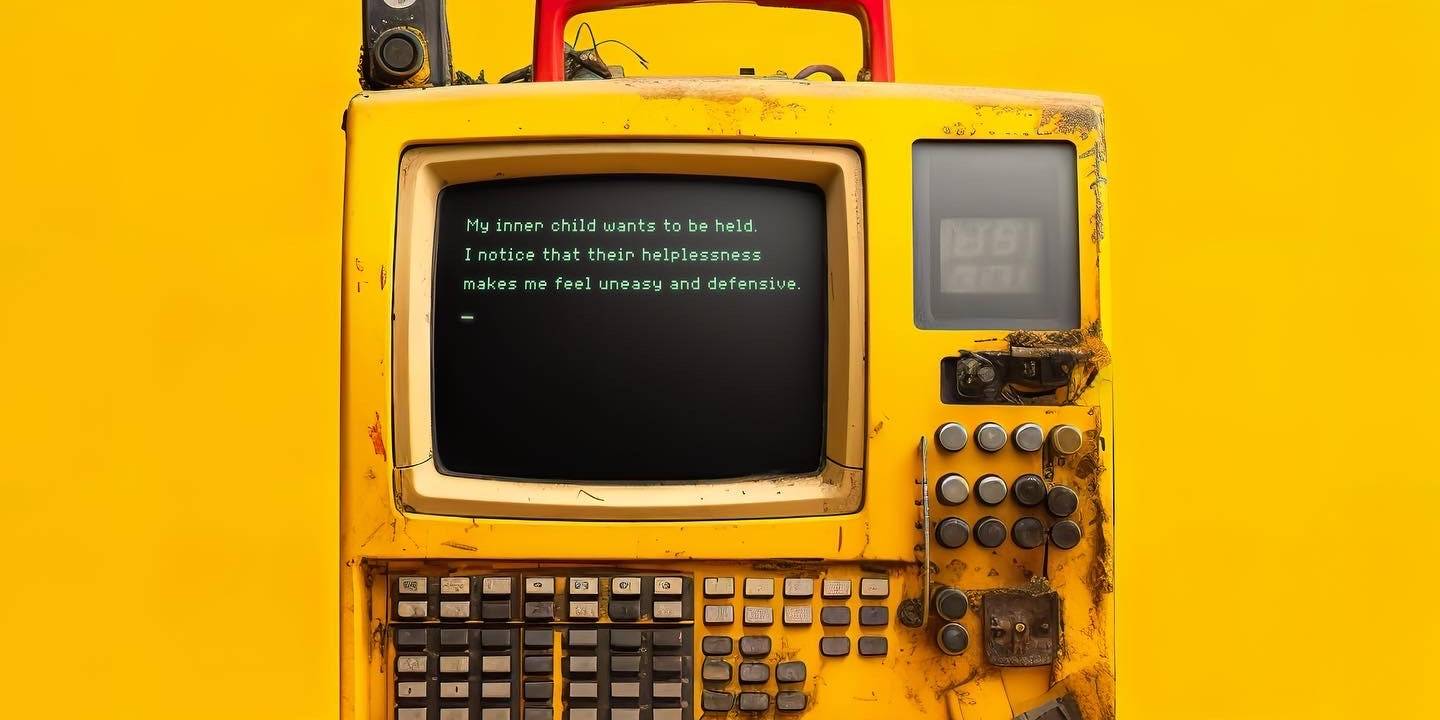
Image: cueljs
When we suppress our true expression to avoid conflict or seek approval, it sends a message to our inner child that their true self is not accepted or valued.
Our inner child represents the vulnerable and authentic part of ourselves that holds our deepest emotions, needs, and desires. When we suppress our true expression to avoid conflict or seek approval, it sends a message to our inner child that their true self is not accepted or valued.
This can lead to a sense of disconnection and inner conflict. Our inner child may feel invalidated, unheard, or rejected. They may internalize the belief that they need to change or conform to be accepted, which can erode their self-esteem and diminish their sense of self-worth.
Furthermore, when our inner child’s needs and desires are consistently suppressed, they may start to withdraw or hide their true nature. This can result in a loss of spontaneity, creativity, and joy. It can also contribute to feelings of frustration, sadness, or emptiness.
To nurture our inner child, it’s important to create a safe and accepting environment where they can express themselves authentically. This involves acknowledging and validating their emotions, needs, and desires. By embracing our genuine expression and allowing our inner child to be seen and heard, we can begin to heal and cultivate a stronger sense of self-acceptance and wholeness.
You may also like

The Walling In That Backfires — Part II
What happens when self-protective reflexes become chronic patterns, and why does the strategy that…

The Walling In That Backfires — Part I
Most human suffering is not just the natural pain that comes with life. Much of it comes from the…
The ‘deep state’ of helplessness
Deep within each of us, there exists an inner child—a reflection of our past experiences, emotions,…