The Art of the Useless
The Myth of One-Shot Perfection
Sometimes, life refuses to resolve into a tidy narrative, and I realize that’s what I need to embrace: a bit of senselessness, a touch of uselessness, a deliberate defiance of efficiency.
My background is in Film, Art & Media – I have the postgraduate degree to prove it. I don’t work in that field anymore. But the creative itch remains, and when I scratch it, the old ghosts show up. Because I studied the craft, the pressure to produce “High Art” is deafening. It demands that I justify my output, that I prove my capacity, that I ensure not a single drop of potential is “wasted.”
It’s paralyzing. I catch myself overthinking before I’ve even begun, terrified of making a mistake. I hear my mother’s voice whispering that it’s foolish to repeat a task when you should have “nailed it” the first time. (How can you perfect something – the idea of perfection alone is preposterous – in one single shot?)

We carry a strange, persistent belief: that perfection should happen in a single moment, in one clean stroke, fully formed. If it doesn’t, we tell ourselves — or worse, others tell us — that we’re failing, that we’re incompetent, that we lack talent.
This belief isn’t innate. It comes from layers of culture, psychology, and media, all feeding a subtle lie: that repetition is shameful, that effort is a sign of weakness, and that mastery should appear fully formed, effortlessly, like magic.
From early childhood, we are rewarded for “getting it right” and punished for mistakes.
Where the Belief Comes From
The Myth of Genius
We celebrate the prodigy: the Mozart, the Picasso, the viral sensation who seems to get it right the first time. This myth teaches us that skill is instantaneous. If it doesn’t come naturally, we must be lesser.
Efficiency Bias in School and Work
From early childhood, we are rewarded for “getting it right” and punished for mistakes. Tests, performances, grades — all reinforce the illusion that one-shot success is the only acceptable outcome. Iteration becomes failure in disguise.
Voices of Authority
Parents, teachers, coaches — sometimes without realizing — instill the idea that needing to repeat, rehearse, or correct is a sign of weakness. Over time, repetition doesn’t feel like learning; it feels like inadequacy.
Social Media Mirrors
Instagram, TikTok, and other platforms show polished results without the hundreds of drafts behind them. We see the finished product but not the labor, and our minds jump to the conclusion: “This person is perfect naturally, why can’t I be?”
Why We Think Repetition Means Failure
It’s a trap of identity and ego. The story we absorb is: if I need time, I’m not enough. Repetition isn’t evidence of incompetence — it’s the natural pathway to mastery. Every expert, creator, and professional has gone through it. But we rarely see the process; we only see the myth.
The truth is harshly simple: perfection is not a single moment. It’s a process, a series of trials, corrections, and refinements. Every “failure” is just a step closer to what we’re trying to create.
The real skill — in art, work, life — is in showing up again and again, without shame, without self-judgment, until what you envisioned emerges.
The Liberation in Repetition
Once you accept repetition as part of the process, something shifts. You stop punishing yourself for being human. You start seeing effort as intelligence, mistakes as insight, and iteration as the only real way to grow.
One-shot perfection? It doesn’t exist. And anyone who tells you it does is selling an illusion. The real skill — in art, work, life — is in showing up again and again, without shame, without self-judgment, until what you envisioned emerges. Not in one flawless instant, but in the quiet accumulation of practice and runarounds.
Waking up to these patterns doesn’t mean they disappear; it just means they stop holding the steering wheel.
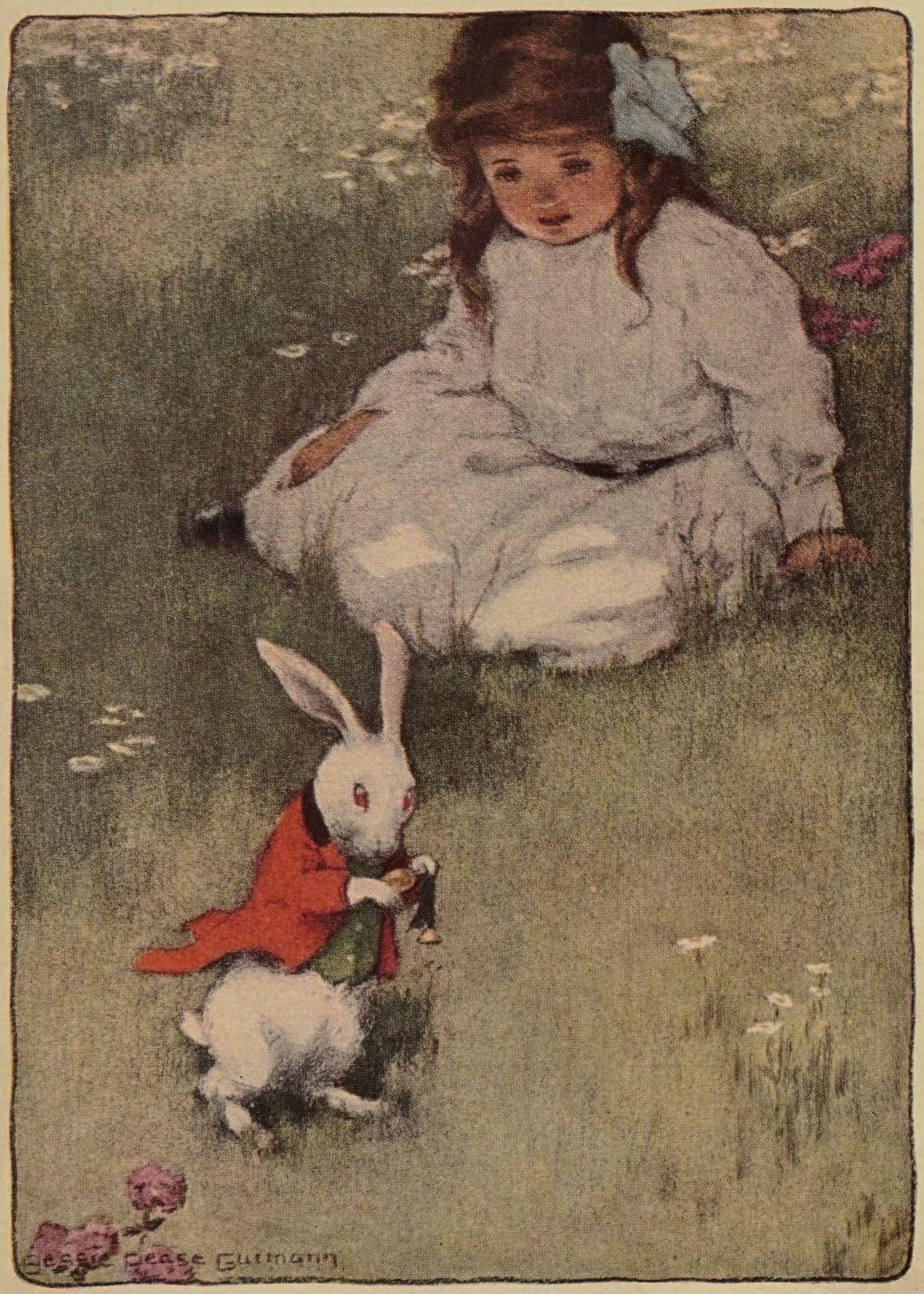
So, I’m letting go of the quality-versus-quantity trap. It’s quantity. Always quantity. It is only through the volume of doing that the quality eventually emerges. I’m done with the heavy mantle of “High Art.” Instead, I’m following my own “likes” – even the kitsch, even the childish, even the stuff that feels like a white rabbit leading me into the woods.
I might lose my way, but getting lost is the destination.

You may also like
Inexpressible truths
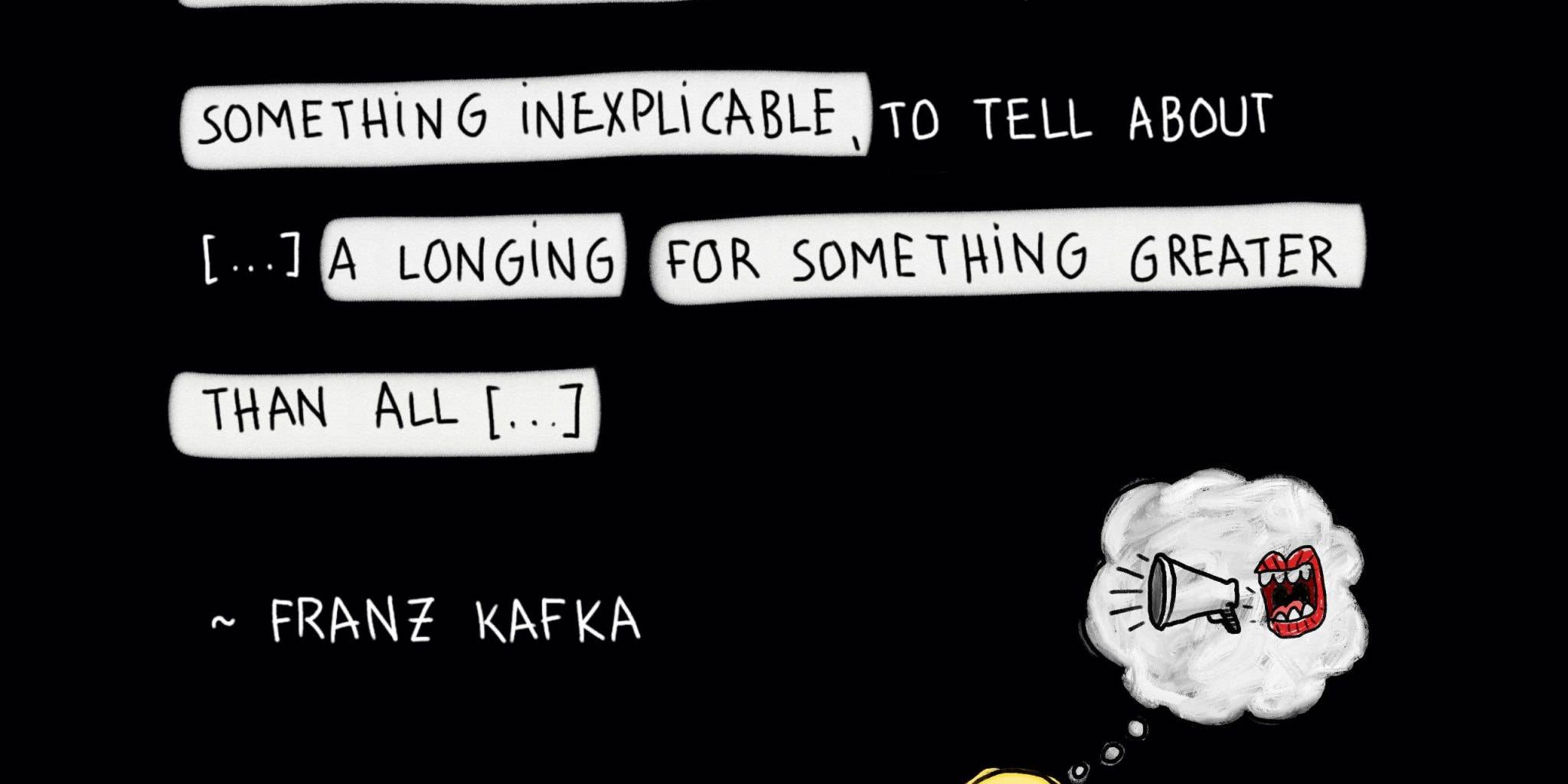
Some things cannot be said. They are transcendent, inexpressible truths, inexpressible wisdom and…

The messy truth of not fitting into a box
We thought about making parallel accounts [in Instagram] to share other things we do and like but…
Pause to notice the bits of magic
In the everyday rhythm of life, there's a kind of magic that often slips past us, hiding in plain…