3 THE GAP
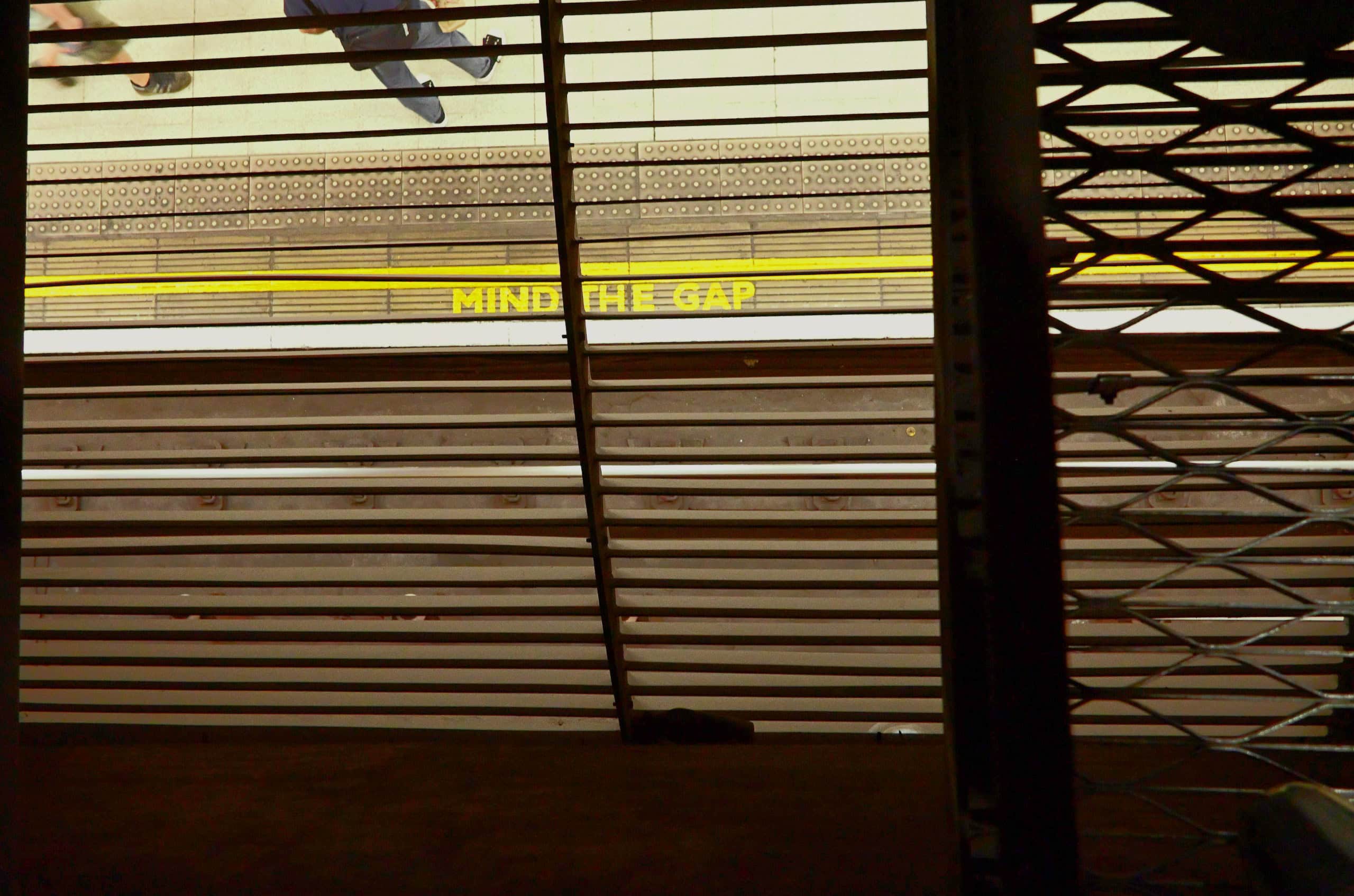
Image: k7hpn, CC-BY-4.0
We like to think we are complicated, but underneath it all, our defense mechanisms run on a surprisingly simple binary: either/or. Safe or unsafe. Open or closed. Trust or no trust.
This “either/or” logic is exactly what keeps us stuck. It acts like a filter, sorting and bending every new experience to fit what we already believe about the world. Our minds hate unresolved tension; we can’t stand sitting in the messy middle for long. So, to stop the shaking, we make a choice. And almost every single time, we choose whatever feels less threatening to our current identity and reality — even when that choice makes us miserable.
Deep down, familiar pain can feel a lot safer than the vulnerability of the unknown.
Our minds hate unresolved tension; we can’t stand sitting in the messy middle for long.
This is why we repeat the same exhausting relationship dynamics, cling to old identities, and fall back into familiar emotional ruts. It’s not that we want to suffer; it’s that the suffering is predictable. We aren’t actually choosing between the known and the unknown. We are choosing between what feels manageable and what feels completely overwhelming.
At its core, the loop isn’t trying to bring us freedom, truth, or happiness. It has one simple, survival-driven goal: to keep things predictable.
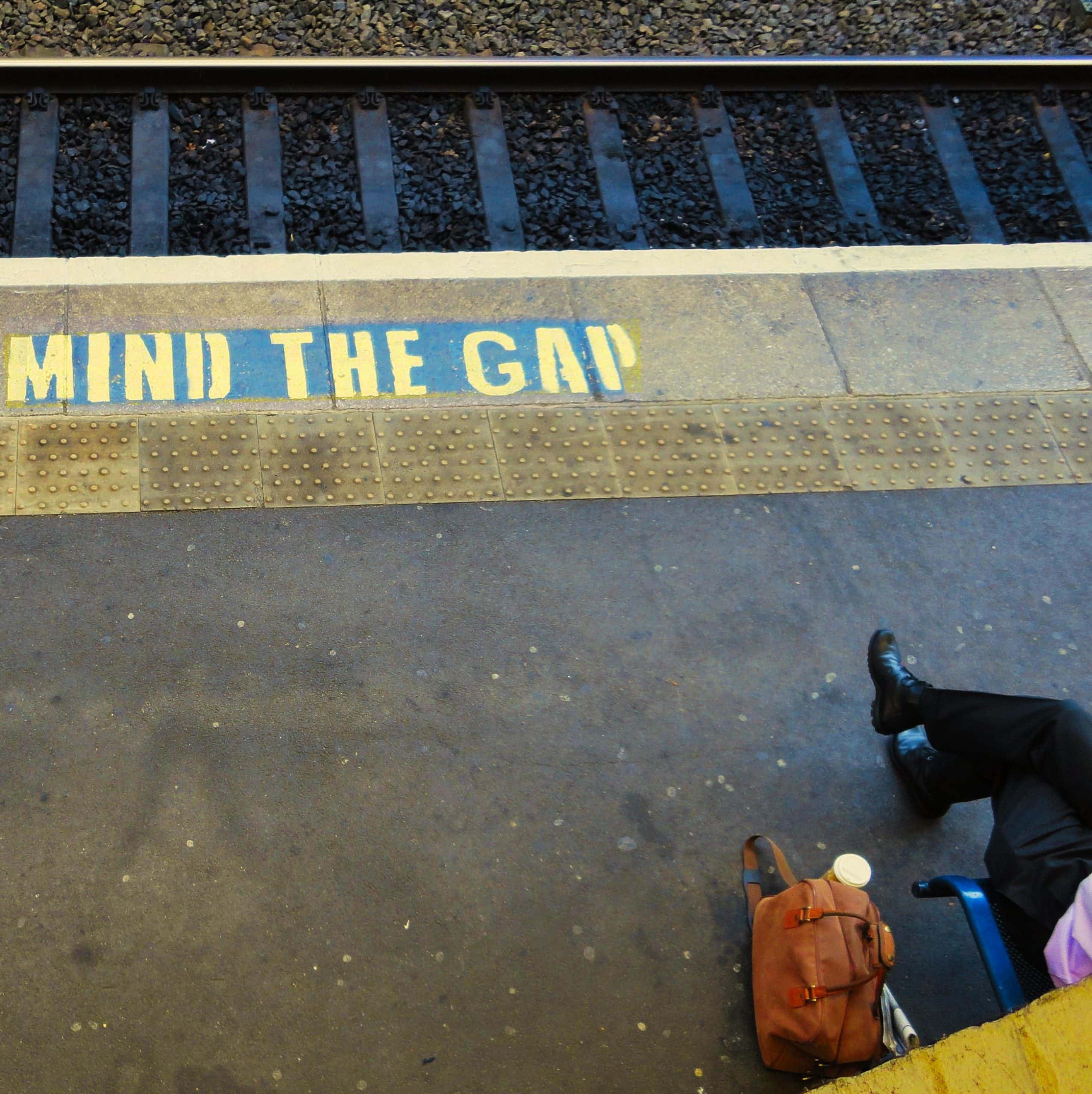
Image: BazzaDaRambler, CC-BY-2.0
The gap is what happens when that rigid, either/or logic gets interrupted.
This usually happens in one of two ways. The first way is entirely out of our hands. Sometimes, life throws something at us that our defense system simply can’t handle.
A sudden crisis. A diagnosis. An unexpected loss that stays heavy. Or a quiet breakdown that arrives out of nowhere without warning.
These aren’t experiences we can just compartmentalize or fit into our normal routine. They are too massive, too messy, and completely unfamiliar. They knock us entirely off-balance, tilting the world so sharply that our survival loop can no longer keep its footing.
What is falling away feels like your safety net, not a cage.
When this happens, it doesn’t feel like a beautiful awakening or a breakthrough. It feels like the floor dropping out from beneath you.
The disorientation is heavy, and the panic is real. What is falling away feels like your safety net, not a cage. And yet, even though you didn’t choose it, and even though you can’t make sense of it right now, something inside you has softened. The armor that kept you stuck in place has begun to crack.
For the first time in a very long time, there is room to breathe. There is a gap.
When even a massive life upheaval fails to naturally transform us, it raises the real question: What actually does?
The second way the gap opens is quieter and more nuanced: It becomes possible when we learn to sit with the tension that contradicting realities create — the joy that lifts us and the pain that crushes us.
It’s not a technique. It is the cultivated willingness to stay present with the exact tensions you once felt compelled to fix or escape.
The loop thrives on division. It likes to keep life simple by sorting our world into two piles: what can be accepted and what must be avoided. What feels safe is kept close. But anything that feels threatening — pain, grief, shame, loss, uncertainty, helplessness, or messiness — is pushed away, rationalized, controlled, numbed, or converted into certainty.
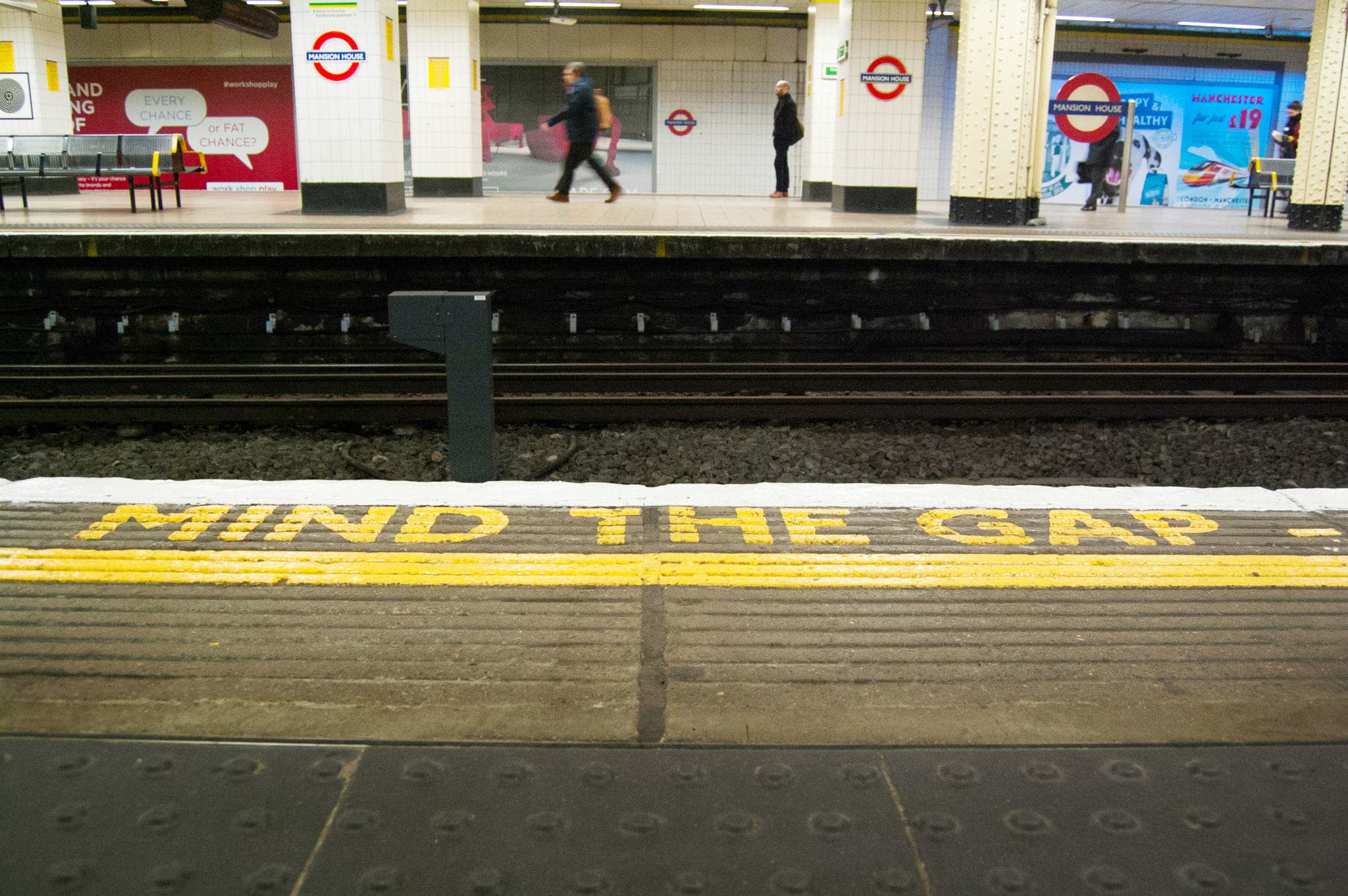
Image: Hameed Mohammed, CC-BY-SA-3.0
However, not every unraveling of our usual patterns creates a gap.
Some people go through a massive life crisis yet come out the other side not softer but harder. More guarded, more polarized, more rigid. The system simply reorganizes: it patches up the wound, and toughens around the scar. The crisis only confirmed what it already believed: that the world is unsafe, that opening leads to pain, and that survival means doubling down on what’s familiar.
When even a massive life upheaval fails to naturally transform us, it raises the real question: What actually does?
Anything that feels threatening — pain, grief, shame, loss, uncertainty, helplessness, or messiness — is pushed away, rationalized, controlled, numbed, or converted into certainty.
For a true gap to form, something different has to happen. Not just pressure from outside, but a softening from within. To a point where the old structure loses not just its stability but its authority over you. Where something inside you looks at what it would actually take to go back to the old ways, and simply realizes it can’t. It won’t. It is just entirely, completely finished.
That sense of being finished is where the opening begins. That refusal to return is where real readiness is born.
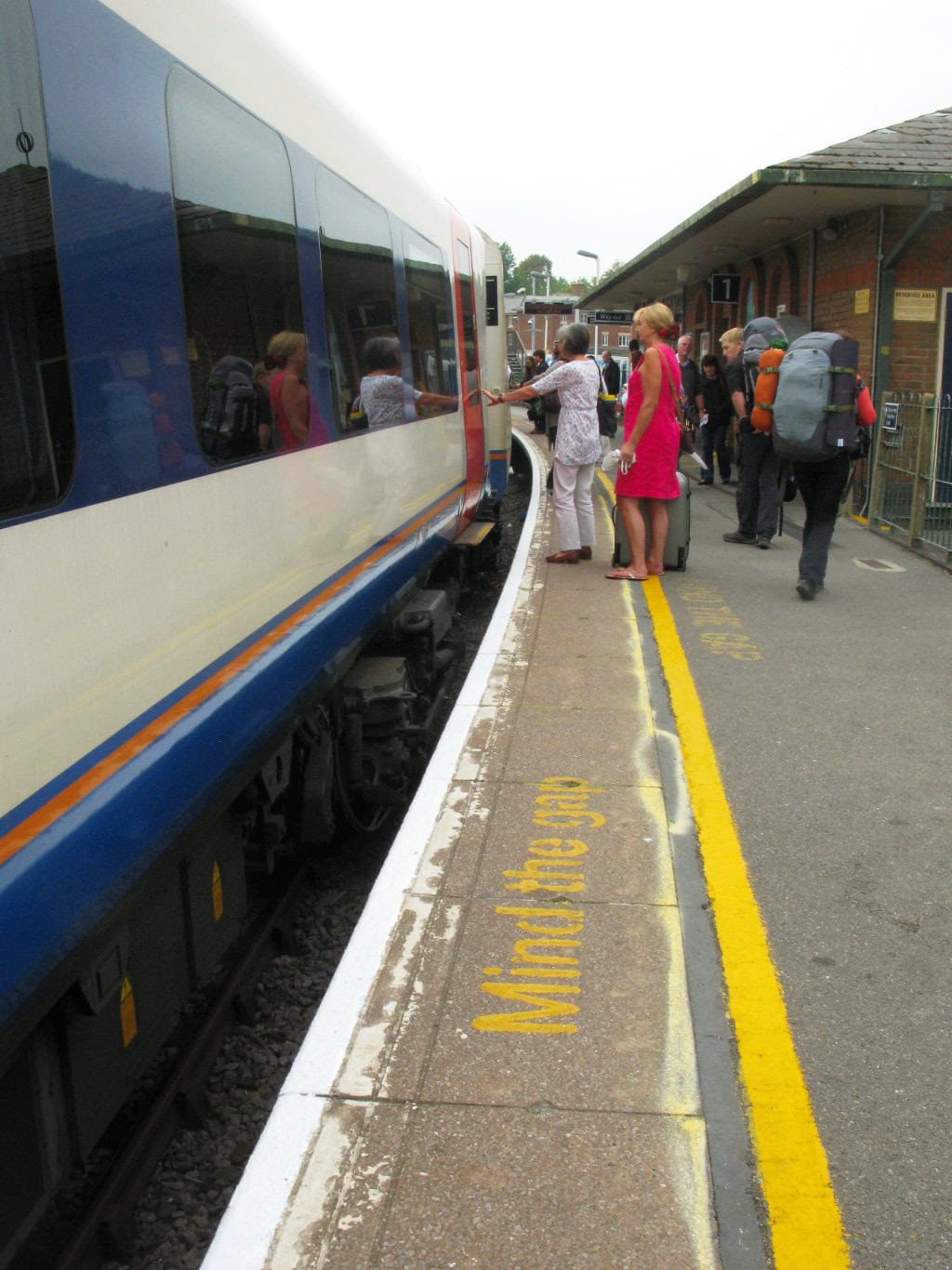
Image: Geof Sheppard, CC-BY-SA-4.0
The strange thing about this readiness is that it rarely feels like readiness.
Often, it just feels like exhaustion. It arrives when the old rules you lived by can no longer make sense of your reality. Sometimes it comes through grief that can’t be neatly resolved, or a growing fatigue from constantly trying to separate your life into what is acceptable and what must be hidden.
Sometimes, this readiness is forced upon you. Life shatters things so completely that the person you used to be simply cannot be put back together even if you tried.
But sometimes, readiness shows up much more quietly: as the hard-won ability to sit with a contradiction just a little bit longer than before. To resist the urge to turn uncertainty into certainty. To pause before escaping pain, grief, or confusion by over-explaining it, blaming someone else, trying to control the outcome, or completely shutting down.
Something in us becomes a little less committed to holding everything together the way we used to.
In all these forms, something in us becomes a little less committed to holding everything together the way we used to.
And in that softening, the gap appears.
Whether it happens through total wreckage or the quiet collapse of a certainty that just won’t hold anymore, something becomes possible that wasn’t possible before.
Not because you built a new identity. Not because you rose above being human.
But because, for a moment, the walls you built to protect yourself lost their absolute power over you.
You may also like

1 The Closed Loop
Most of us never seriously question the inner machinery through which we experience reality. It…
The monumental shift to focus on ourselves
We often think that when we have a disagreement, it's the other person who needs to change. We…
6 Midair
If you aren’t rehearsing the perfect response, what voice emerges when you speak freely? If you…