
The Hierarchy That Was Built
For as long as humans have reached toward what is ultimate, a particular structure has organized that reaching.
The divine above the human. The spiritual above the worldly. The eternal above the temporal. The sacred above the profane. The infinite above the finite. The pure above the embodied.
This structure appears across traditions, across centuries, across cultures — all otherwise so different — that its consistency is remarkable. It feels less like a construction and more like the natural order of things — as though the vertical axis between the higher and the lower was simply how reality is arranged.
From this axis, everything follows. The human condition becomes something to be overcome. The body becomes an obstacle — subject to desire, to ageing, to illness, to death, to all the forces that pull away from what is pure and unchanging. Spiritual life becomes the project of rising — of thinning out the earthly and thickening the divine, of moving up the axis toward what is true and away from what is merely mortal.
Meditation is closer to the divine than baking a cake. Silence is holier than singing karaoke. Transcendence is the goal; the human form is the ground you push off from, not the ground you return to. The person who has shed the concerns of ordinary life is further along than the one still embedded in them. And the experiences that belong most fully to the human realm — vulnerability, grief, desire, mortality, the weight of things that end — these are ranked lowest of all. Evidence of how far there still is to go.
This is the hierarchy. And it has shaped not just formal religion and spiritual practice but the interior life of countless people who have never set foot in a monastery — the quiet, persistent sense that the ordinary is less than it should be, that the earthly is a problem, that what is the highest in us is also the least human.
What they point to lies prior to the names and prior to the doctrines that formed around them. It is not something created by belief or preserved by a tradition. It does not belong to any religion.
God. Buddha nature. Brahman.
Every tradition that has come close to what is ultimate has named it.
The names differ because the traditions differ — in culture, in language, in emphasis. But what is being named does not differ.
These are not different realities. They are different fingers pointing at the moon.
What they point to lies prior to the names and prior to the doctrines that formed around them. It is not something created by belief or preserved by a tradition. It does not belong to any religion.
It is the unspeakable.
The unborn.
The unceasing.
The boundless.
The indestructible.
The immutable.
Here, it is called essence — a word pointing to what elsewhere we may call consciousness, or, metaphorically, grain of gold.
Not as a new name and not as a replacement for the others. But as a word that can be heard across traditions.

Image Credit: Rebecca Leathem, CC BY-NC-SA 2.0
What Essence Is
Essence is infinite. Without limits, without the kind of definition that would make it one thing rather than another. It holds all appearances without becoming them.
Essence is indestructible. Not resistant to destruction — beyond the category of destruction entirely. It cannot be harmed, corrupted, or exhausted. It cannot be broken, diminished, or erased. There is nothing in any realm that touches what essence is at its ground.
Essence is immutable. Unchanging not as a quality that could in principle change but hasn’t — unchanging as its fundamental nature. What essence is cannot be added to, cannot be taken from, cannot be shaped by circumstance or experience or the particular form it inhabits.
Essence is timeless. Not long-lasting. Not enduring through great stretches of time. Outside of time entirely — not subject to its movement, not altered by its passage. It is the same in all moments, yet it is present in every single one.
It is the same in all things, yet it is not any of them.
It is the container of all, yet it is itself uncontainable.
Awareness is its nature — self-recognizing, self-illuminating. Not dependent on a subject in order to know itself.
Essence knows wholeness not as something it has arrived at but as something it is. Completely. Without remainder.
This is one reality. Complete within its own register. Not partial, not in need of anything, not reaching toward anything it does not already contain.
Vulnerability is not a spiritual deficiency. It is the precise nature of a form that exists in relationship with everything around it — open to being touched, moved, wounded, changed by encounter.
What the Human Form Is
The human form is finite.
Not as a limitation to be transcended but as what it actually is — bounded by biology, by time, by the specific and unrepeatable configuration of this body, this lifespan, this location in a particular realm. Finitude is not a flaw in the design. It is the design. The complete expression of what it means to exist as a particular rather than as the boundless.
The human form is vulnerable. Subject to pain, to illness, to the impact of what happens in the world. What affects the body matters. What the body suffers matters. Vulnerability is not a spiritual deficiency. It is the precise nature of a form that exists in relationship with everything around it — open to being touched, moved, wounded, changed by encounter.
The human form is mortal. It ends. Not eventually, not theoretically — actually, specifically, inevitably. This particular configuration of life will cease. The people it loves will cease. Certain moments, once passed, do not return. Time moves in one direction here.
The human form is relational. It exists not in isolation but in constant encounter with otherness — other people, other bodies, other forms of life, the physical world itself. It is constituted by relationship in a way that the boundless, by its nature, is not.
And the human form carries the full weight of what finitude makes possible — grief that does not lift quickly, desire that moves through the body, the specific joy of something beautiful that will not last, the particular love for what is irreplaceable precisely because it is temporary. These are not the residue of insufficiently transcended humanity. They are the complete expression of what a form in this realm is.
This is one reality. Complete within its own register. Not a lesser version of something else. Not a failed attempt at the infinite. What the finite actually is, fully expressed.
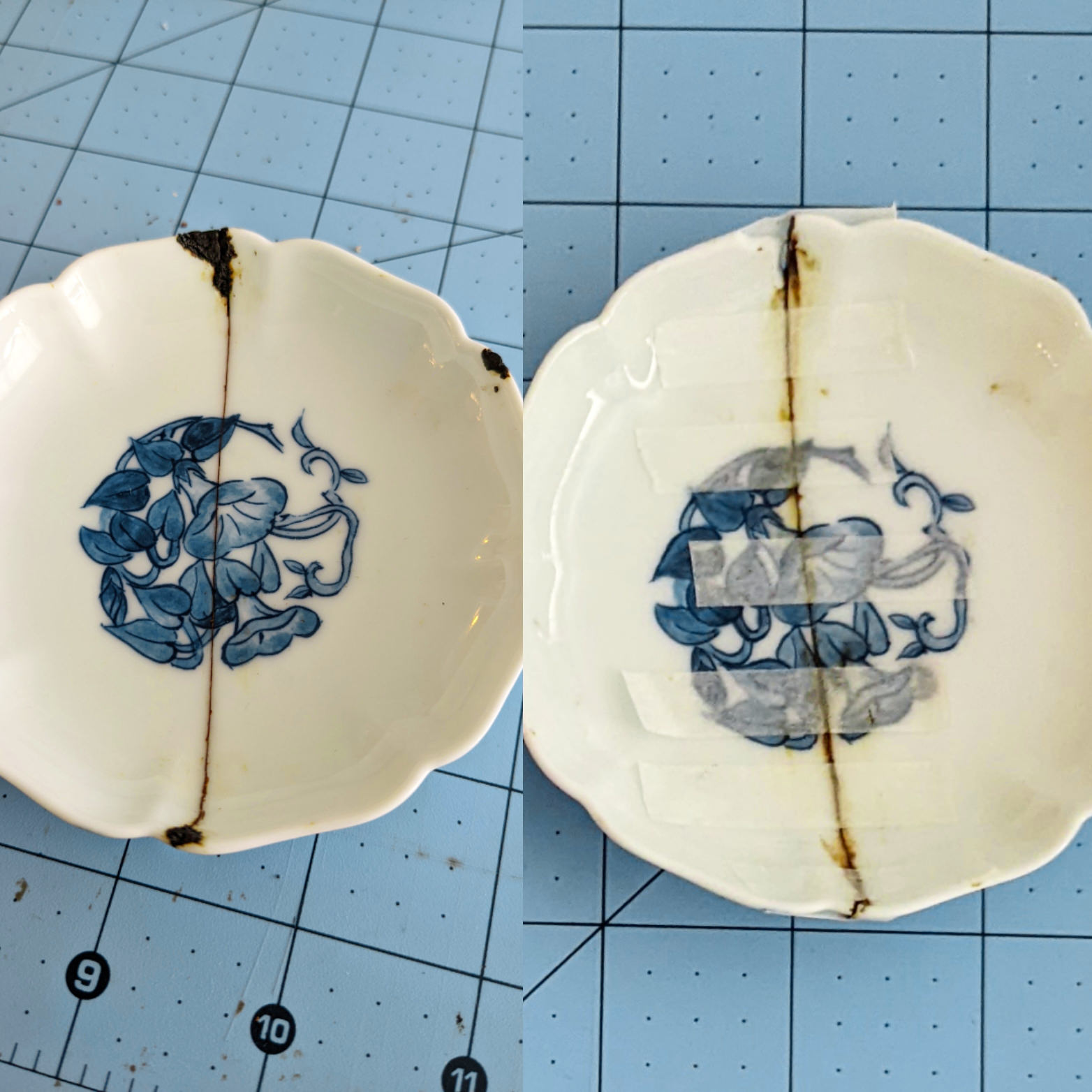
Image Credit: mamichan, CC BY-NC 2.0
No Common Scale
These two realities — essence and the human form, the absolute and the relative — are not comparable.
This is not a statement about them being equal. Equality still requires a shared scale. It is a statement about the scale itself: there is none. They are different orders of reality. The timeless and the temporal, the indestructible and the vulnerable, the boundless and the finite — these do not sit on the same axis. There is no measure that applies to both.
The vertical hierarchy — the divine above the human, the spiritual above the worldly — is not a distortion of a real relationship. It is a category error. It takes two realities that cannot be placed on a shared axis and forces them onto one. It sees the difference — which is real — and converts it immediately into a ranking — which is not. Because a mind trained in comparison has no other move available when it encounters difference. Difference must mean more or less. Higher or lower. Closer to truth or further from it.
But the difference between essence and the human form is not that kind of difference. It is the difference between two complete realities, each fully itself, each offering what the other by its nature cannot. Not ranked. Not on a ladder. Not on an axis that has a better end and a worse end.
The vertical axis does not exist in reality. It was constructed. And what was constructed can be seen through.
Awareness holds both — not by containing them within a larger framework that explains how they fit together, but by being the space in which both are present without needing to be reconciled.
Both, Without Resolution
When the category error is seen — when the two realities are released from the hierarchy that forced them into comparison — what remains is not a merger. Not a flatness in which the differences disappear. Not a resolution in which one is finally revealed to be the truth of the other.
What remains is both. Fully. Simultaneously. Without resolution.
Essence: timeless, immutable, indestructible, whole. Unchanged by anything. The ground that was never absent.
The human form: finite, vulnerable, mortal, relational. Complete in its own register. The full reality of what this realm is.
Awareness holds both — not by containing them within a larger framework that explains how they fit together, but by being the space in which both are present without needing to be reconciled. The way a great actor holds the knowledge of who they are and the complete reality of the role simultaneously — not resolving one into the other, not allowing one to diminish the other, but inhabiting both fully, without confusion, without loss.
This holding is not an achievement. Awareness is self-recognizing — it knows what it is. That knowing is always already present. What obscures it is not absence but resistance — the insistence that one reality must win, that the tension must be resolved, that the incomparable must be ranked. When resistance loosens, what was always the case becomes available: both realities, present, undiminished, neither above nor below.
No way out. No need for one. Only the way in — full commitment to the role, everything left out there in the relative, the finite fully inhabited from the ground of what is infinite.
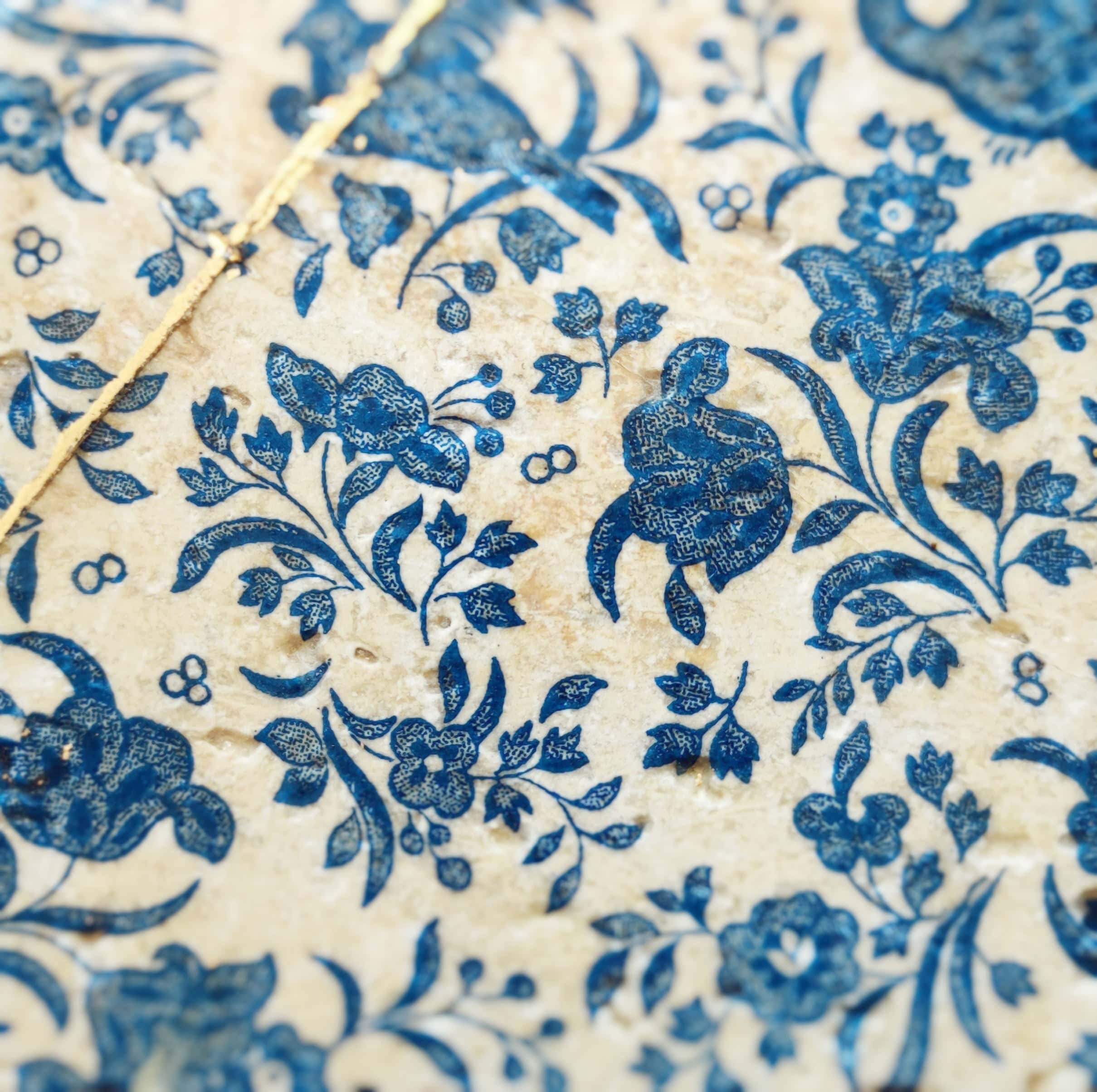
Image Credit: waldopepper, CC BY-NC 4.0
The Taste
Essence is whole.
Not as an achievement. Not as a destination. Wholeness is the nature of essence itself — complete, absolute, unchanged by anything that occurs in any realm. This is not a beginning point on a path. It is the ground beneath every path, every question, every search.
And yet wholeness known is not the same as wholeness experienced.
Knowing and experiencing are not the same order of reality. To know something is to contain it, to be it, to have it as the ground of what you are. To experience something requires otherness. Requires encounter. Requires what is not-you — so that what you are can be met, tasted, lived from the outside in.
This distinction is fundamental.
The indestructible cannot taste vulnerability from within indestructibility alone. The timeless cannot feel what it is to run out of time. The infinite cannot know the gravity of a love that longs to be together yet drives itself apart, a grief that will not lift, a body that is ageing, a moment that is beyond repair, irreversible, forever changed.
These are available only through the finite — only through a form that is actually subject to these things, in a realm where they actually count.
Not as costs. As the precise gift of the relative to the absolute.

When both realities are held without hierarchy — essence as the unchanging ground, the human form as the complete reality of this realm, neither ranked above the other, neither collapsed into the other — something becomes available that neither alone provides.
Essence seen against the backdrop of the finite: its timelessness felt as timelessness, its indestructibility tasted as indestructibility, its boundlessness experienced as boundlessness — because the finite is there as the other against which what essence is can be lived rather than merely known.
The human form seen against the backdrop of essence: its vulnerability met without existential Angst, its mortality inhabited without the desperate need for a way out, its sadness felt fully without the added suffering of believing that sadness means something has gone wrong — because essence is there as the ground that is never threatened by what the form goes through.
One in front of the other. Both real. Neither above nor below.
This is what wholeness tastes like — not the abstract knowledge of it, but the lived experience of both realities present simultaneously, each illuminating the other, each making available what the other alone could not.
Not transcendence. Not mere embodiment.
The full span. Nothing left out.
That is the taste of wholeness.
You may also like
What are the two realities?
Imagine your mind as a mirror, reflecting the realities of your existence. In one reflection, you…