
When the Promise of Self-Worth Stops Working — Revealing the Invisible System
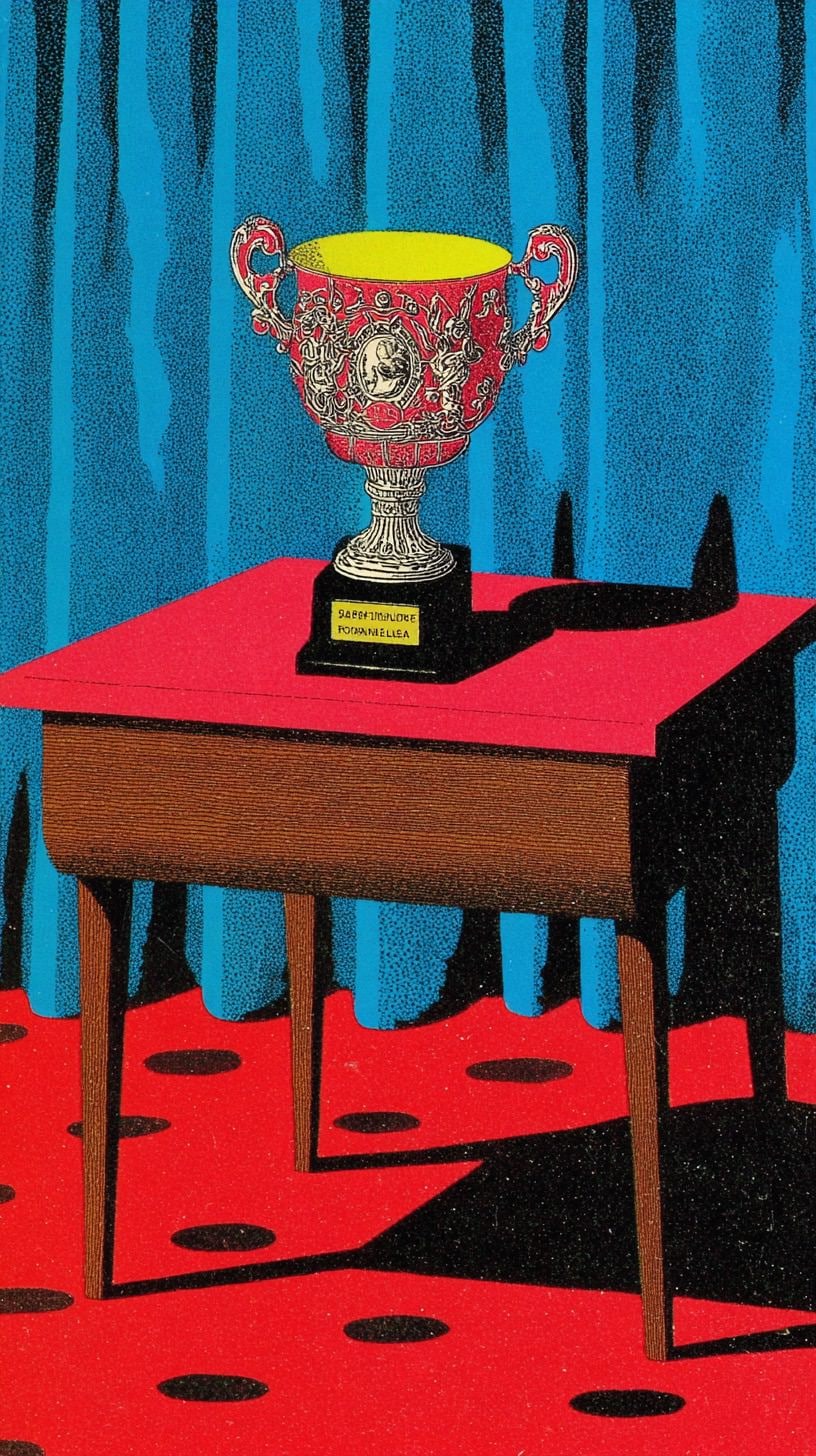
How do you become conscious of a system you don’t even know you are in?
Imagine being a fish that does not recognize it swims in water.
You do not reason your way out. You cannot think critically about something you cannot see. You can’t rebel your way out, because rebellion is still a reaction to the system, still defined in opposition to it, still inside its logic. And you cannot rise above it, because rising is what the system rewards, and what the system rewards keeps you loyal and entangled.
You only can get ejected.
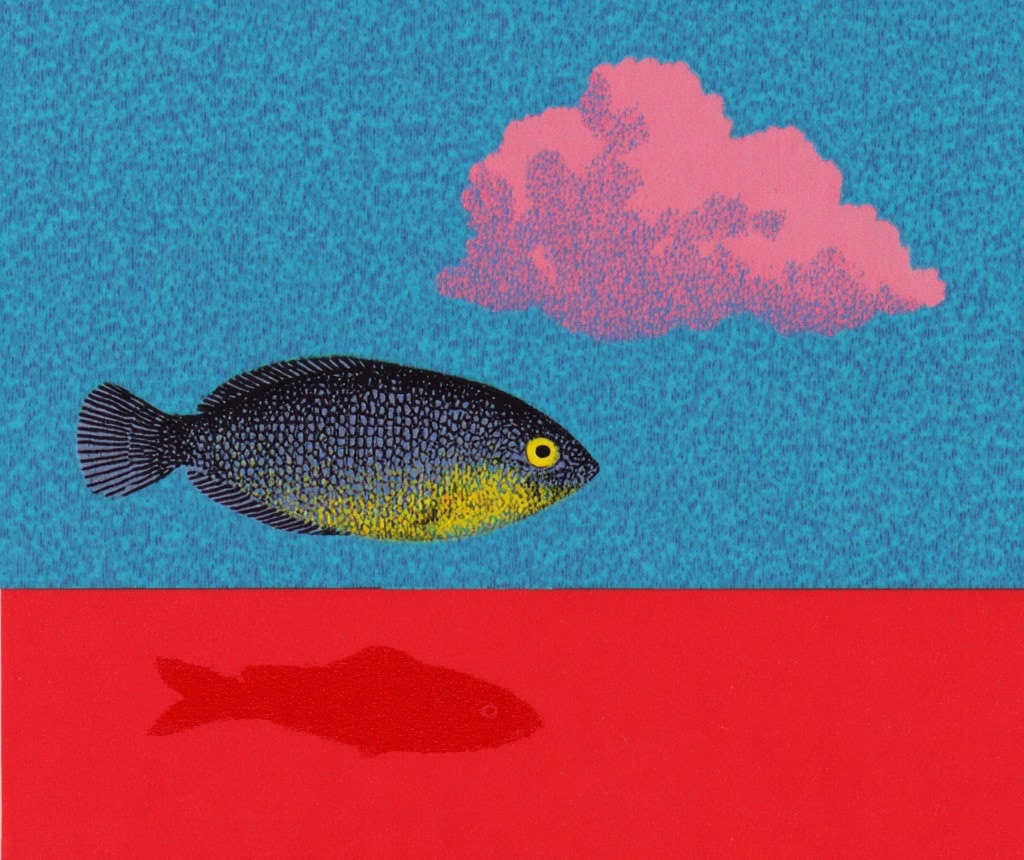
Once you stop functioning in the system, the system will make sure you get ejected — not by choice, but because the system can’t use you for its survival. So you sink — and at the bottom, something happens that cannot happen anywhere else: The promise stops working.
The Promise
Every system — family, school, workplace, culture, spiritual community — runs on the same mechanism. It is so universal that naming it feels almost too simple: Conditional self-worth.
You are okay if. You are loved if. You belong if. You have value if.
If you perform. If you comply. If you succeed. If you meet the expectations. If you carry the role assigned to you. If you produce the evidence that the system needs to believe it is working, in control, and safe from change.
It is something that happens below the surface, nearly invisible. It is rarely conscious. But it is the operating principle of every hierarchical structure that has ever existed: your worth has to be earned. And it can be withdrawn, anytime. This makes it incredibly shaky and scary, even when we are unconscious of it.
The system does not need to threaten this explicitly. It does not need to say: “fail me and I will take away your value,” with a stern voice. All it needs to do is create an environment where value is conditional — and the natural human need for belonging, for love, for the sense of being accepted, does the rest. If you bite on this hook, you will reach for what you believe can only come from outside. You will shape yourself to fit. You will suppress what does not serve the system and perform what does. You will monitor, adjust, anticipate, and deliver willingly — all in exchange for the faint promise that if you ever will get it right, you finally will be enough. That is the promise.
And that promise is a lie. Not because the system is malicious — but because conditional worth, by its nature, never arrives. The bar always keeps moving. The goal posts keep drifting further away with no end in sight. The acceptance is always just ahead, always one more performance away. And the one chasing it can’t ever afford to recognize it as a lie — because stopping the ongoing chase would mean facing the possibility of failure, that all the effort and investment was for nothing. And that is the one thing pride as the keeper of your self-worth cannot allow. It cannot lose.

Every system — family, school, workplace, culture, spiritual community — runs on the same mechanism. It is so universal that naming it feels almost too simple: Conditional self-worth.
Who Stays Inside
And it is not just the ones who are most fearful, needing the system to protect them, who are most securely locked inside it. The ones who look as if they are succeeding are locked in the same way — just from the opposite end. One from fear, the other from desire.
The difference is visibility. The fearful person’s dependency is in plain sight. They need the system and they know it. But the successful person’s dependency is hidden — even from themselves. It looks like independence. It looks like being in charge. But they need the system just as much as the system needs them. They just can’t see it.
The golden child. The high achiever. The one who learned early how to read the system’s demands and deliver exactly what was asked. They earned the approval. They climbed the ladder. They received — intermittently, unpredictably, just often enough to maintain hope — the signal that they were getting closer to what the system promised: total acceptance.
But the acceptance can never become total. It cannot become unconditional. Because the system’s power depends on the condition. Remove the condition and the system loses its leverage. So the golden child keeps climbing, keeps performing, keeps earning — and protects the system fiercely. Because admitting the promise was a lie would mean admitting that everything they built was built on sand.
This is investment thinking. The more you have given — your energy, your time, maybe your needs, your integrity, your authentic life — the higher the cost of seeing the system clearly. And the less likely you are to ever walk away.
So the system’s golden children stay inside. Not because they are blind. But because seeing would cost more than they can afford.
Who Falls Out
The system ejects people. Not intentionally — but structurally.
The ones who don’t match its requirements. The ones it can’t use. The ones who reflect back what the system cannot hold — where it is dysfunctional, where it is intrusive, where it fails.
These are the ones who receive the system’s push — the guilt, the shame, the moral pressure, the withdrawal of approval and support. Until it breaks them.
The breaking looks like failure. The system points to them and says: see, this is what happens when you cannot adapt.
But the breaking is also doing something unexpected: it destroys the promise’s credibility.

What Happens at the Bottom
At the bottom something shifts.
The game stops making sense.
Not as an intellectual realization. But more as a felt collapse of the structure that was holding you inside. The promise — be enough and you will be loved and rewarded — finally reveals itself as what it always was: a mechanism. Not a truth. Not a law of nature. A mechanism of control, so deeply installed that you mistook it for reality.
The fish hits the bottom of the sea. Too exhausted to swim. Too tired to outrun the current and trying to fit in. And hanging there, just above the seafloor, it feels the current for the first time — not carrying it anymore, just dragging it around.
This is disillusionment in the original sense of the word: the falling away of an illusion. It does not feel like enlightenment. It feels like a death. Like the rug pulled away from beneath your feet. Like everything you oriented your life around — being good enough, proving your worth, earning your place — suddenly has no foundation anymore.
And in that bottomlessness, something impossible becomes possible.
If you are no longer trying to earn your worth — if the system’s currency has finally become worthless to you — then the question that was always lingering underneath, the question the system always tried to prevent you from asking, finally surfaces:
When was I ever not okay?
It stops being a question of how I become okay. Or what I need to do to be okay. But rather when was there ever a moment where I was not already, fundamentally and naturally, at my root, okay?
And the answer — which arrives not as a thought but as a recognition, in the body — is: There was no such moment.
The conditionality of worth was and has always been a lie. Not because someone decided to deceive you, but because worth was never conditional. It was the very ground you were standing on before anyone told you it needed to be earned.
That is the fish seeing water for the first time. Not by swimming harder. Not by rebelling against the current. But by sinking to where the struggle stops — and sitting with what remains. The nervous jitter of a body that has been swimming for as long as it can remember. The discomfort of stillness after a lifetime of motion. Until even that settles. And what is left is not insight. It is presence.
You don’t leave the water. You surface inside it. Still surrounded, still in the system — but your head breaks through by becoming present, and for the first time you can see what you have always been swimming in.
You may also like
Can you imagine a process-oriented society?
In the land of Progressia, two neighboring villages stood in stark contrast: Goalington and…

If you feel dead inside the system—it’s actually working as intended
This list isn’t just theory—it reflects a reality we live every day. A system designed to run…
The Hit We Get from Kicking Down
In relationships with a power imbalance — like between a boss and an employee, a coach and an…