The Strange Upside-Downness of Fairy Tales
What if fairy tales are actually deep-dives into adult psychology?
Something about fairy tales has always puzzled me.
We place them in the children’s section. We read them to children before bed. We give them colorful illustrations and market them as stories for young minds. Yet, many fairy tales seem to be describing things that children cannot possibly understand.
A child can understand a dragon. A child can understand a princess, a witch, a wolf, a king, a magical forest, or a sleeping kingdom. But can a child understand corruption? Projection? Self-deception? Power? Sacrifice? Hierarchy? The unconscious patterns that govern families and societies? Not yet. And this is where the strange upside-downness begins.
We assume fairy tales are stories for children. But what if they were never primarily for children at all? What if they were stories about adults? Not adults as individuals, but adults as human beings. Human beings caught in patterns. Because that is what fairy tales seem to describe.
The dragon is rarely just a dragon. The witch is rarely just a witch. The king is rarely just a king. These characters function more like living metaphors. They point toward something difficult to name directly.
How do you tell a society that it is trapped in greed, fear, vanity, or blindness?
Perhaps people understood long ago that some truths are easier to hear when disguised. After all, how do you tell a society that it is trapped in greed, fear, vanity, or blindness?
How do you tell a parent that the problem may not be the child? How do you tell people that they are participating in the very thing they believe they are fighting against?
Direct statements often trigger resistance. Stories do not. A story slips through the cracks.
A person may reject a lecture but listen willingly to a tale about a kingdom under a spell. And so uncomfortable truths were wrapped in metaphor. Not to hide them. To make them visible.
This is why so many stories that appear simple become profound when revisited as adults. The story did not change. The reader did.
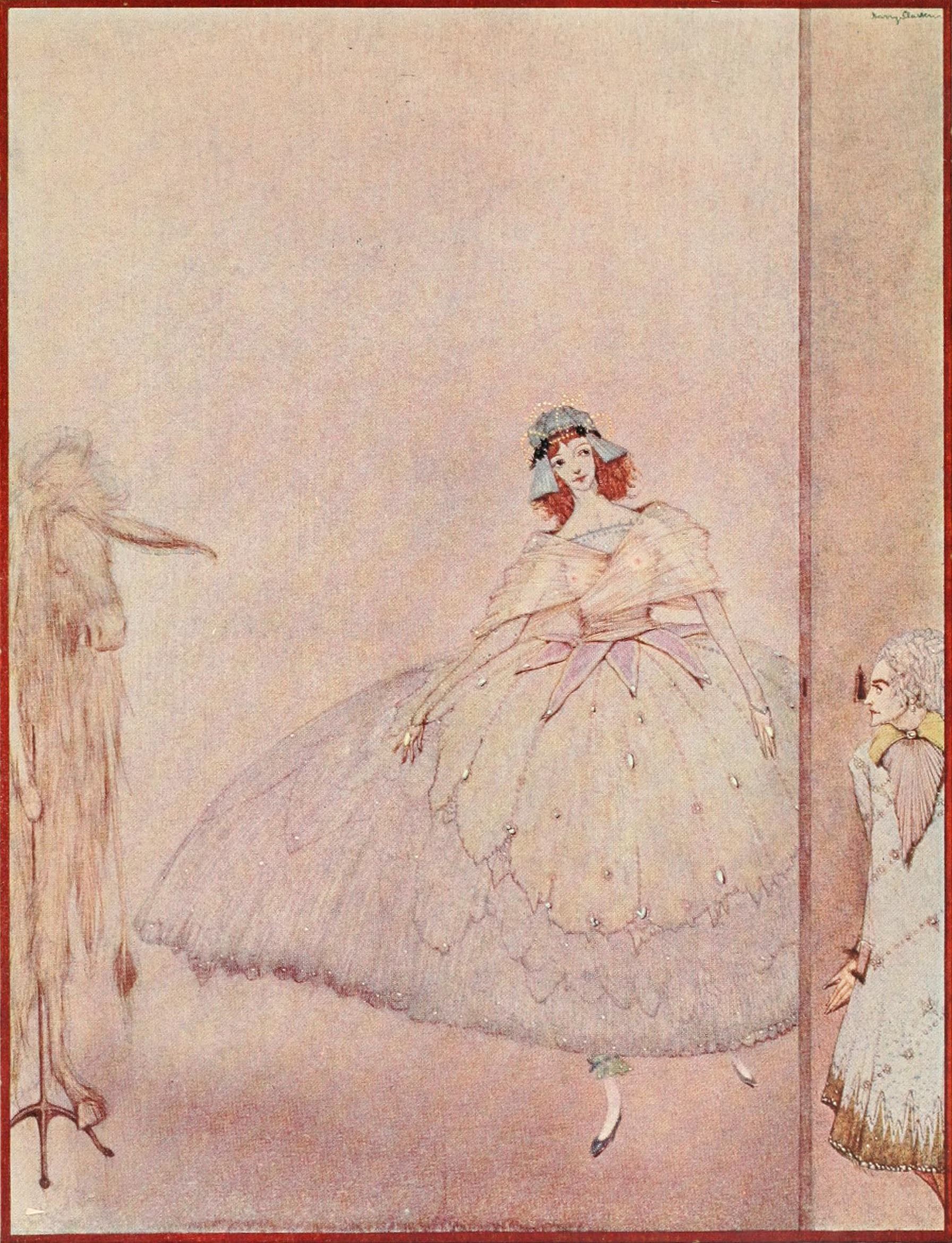
As children, we read the surface. We see the princess. We see the prince. We see the adventure. We see the happy ending. We absorb the imagery and the emotional atmosphere. We extract the phenomenology. But the symbolic layer remains largely inaccessible.
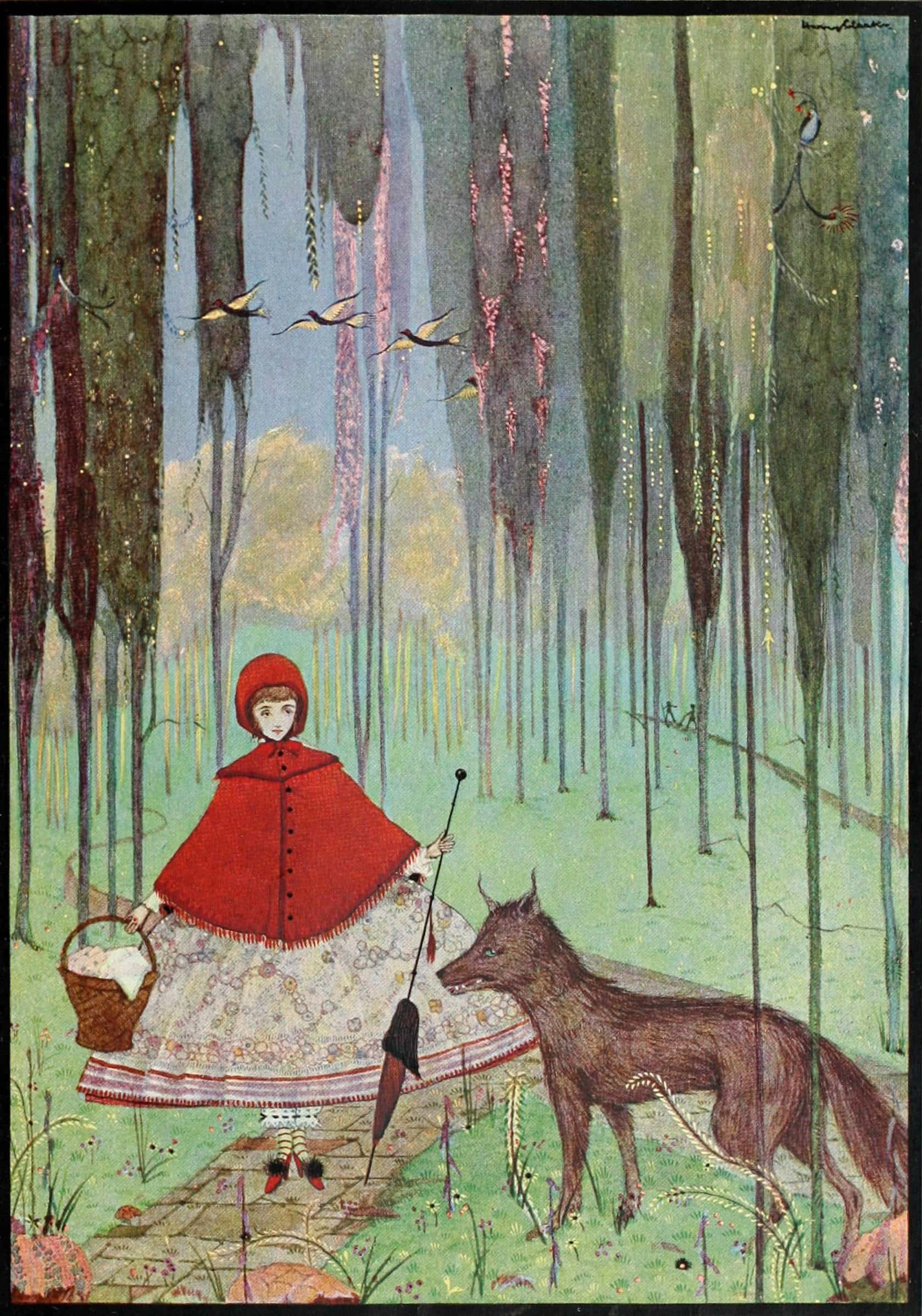
The dragon is simply a dragon. The wolf is simply a wolf. The frog is simply a frog. Only later does another reading become possible.
Suddenly the wolf is not a wolf. The wolf is deception. The dragon is not a dragon. The dragon is the thing nobody wants to face. The curse is not a curse. The curse is a pattern repeating itself across generations. The frog is not a frog. The frog is something rejected, devalued, or cast aside because of appearance.
The story has not become deeper. We have become capable of reading it.
Which raises an uncomfortable question. Why do we place these stories almost exclusively in the hands of children?
The people capable of understanding the critique often stop reading them because they are considered children’s stories. The people who receive them are often too young to grasp the critique. The message ends up hidden in plain sight.
How do you communicate a difficult truth without creating immediate resistance?
Take the seminal psychology/NLP book Frogs into Princes. The title itself sounds like a fairy tale. And in a sense it is. The psychologists who wrote it understood something important: the problem is often not where people think it is.
Parents frequently arrive believing the child needs fixing. But many of the patterns showing up in the child originate elsewhere. How do you tell parents that without triggering defensiveness? How do you communicate a difficult truth without creating immediate resistance?
One answer is metaphor. One answer is story. One answer is the fairy tale itself.
This may be why fairy tales have survived for so long. Not because they are childish. But because they are sophisticated. They allow us to look at ourselves indirectly.
The king can be our pride or righteousness. The witch can be our resentment or the parts of us that don’t fit. The sleeping kingdom can be our unconsciousness. The dragon can be the thing we spend our lives avoiding or plainly our shadow.
And because the story never points a finger directly at us, we are sometimes able to see what would otherwise remain invisible. Perhaps the greatest irony is that we eventually forgot this. We began treating fairy tales as children’s entertainment.
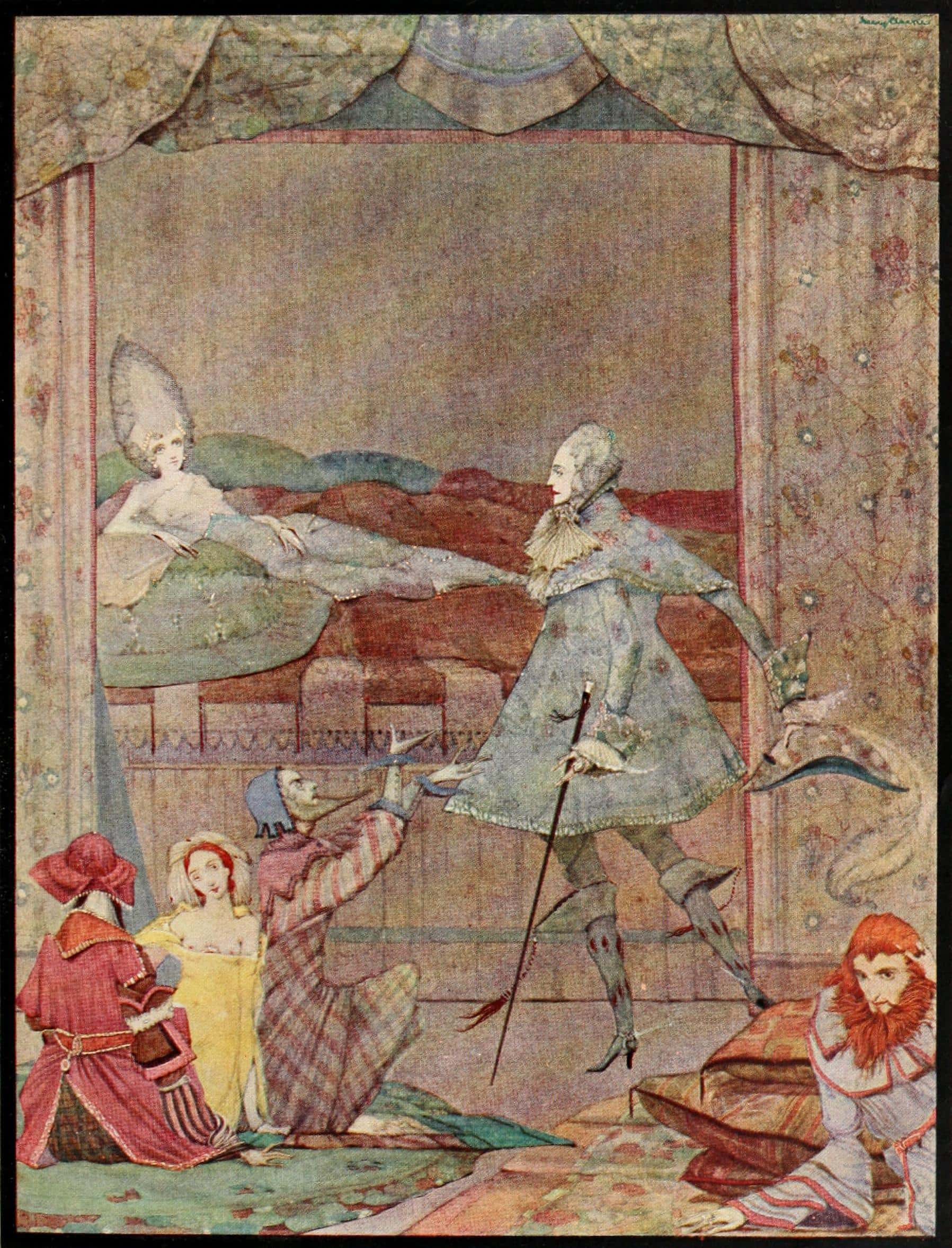
The disguise became so successful that we started believing the disguise was the message.
We became concerned that children wanted to be princesses and knights. We argued about the costumes. We debated the characters. We focused on the surface.
Meanwhile the stories were quietly pointing somewhere else entirely. Not toward princesses. Not toward dragons. Not toward castles. Toward us.
The disguise became so successful that we started believing the disguise was the message.
The fairy tale survived. The interpretation did not. And so some of humanity’s oldest observations about power, fear, greed, transformation, family, and human nature now sit on shelves labeled “Children’s Literature.”
Hidden in plain sight. Still waiting for adults to read them.
You may also like
The Real Work of Parenting is About You
Most parenting today is built on the idea of educating children. Teaching them how to behave.…

The Christmas lie and the cost of performance
Every year, well-meaning – and I say this with a wink, because it is, after all, the pass that…
These Are Not Children’s Stories
The first book my parents ever gave me was a fairy tale book. I loved it. Not because of the fairy…