
The Bouncer at Your Own Door — What Your Playlist Reveals (Even if You Don’t Want to)
On guilty pleasures, public taste, and what we're actually protecting when we pretend not to like something
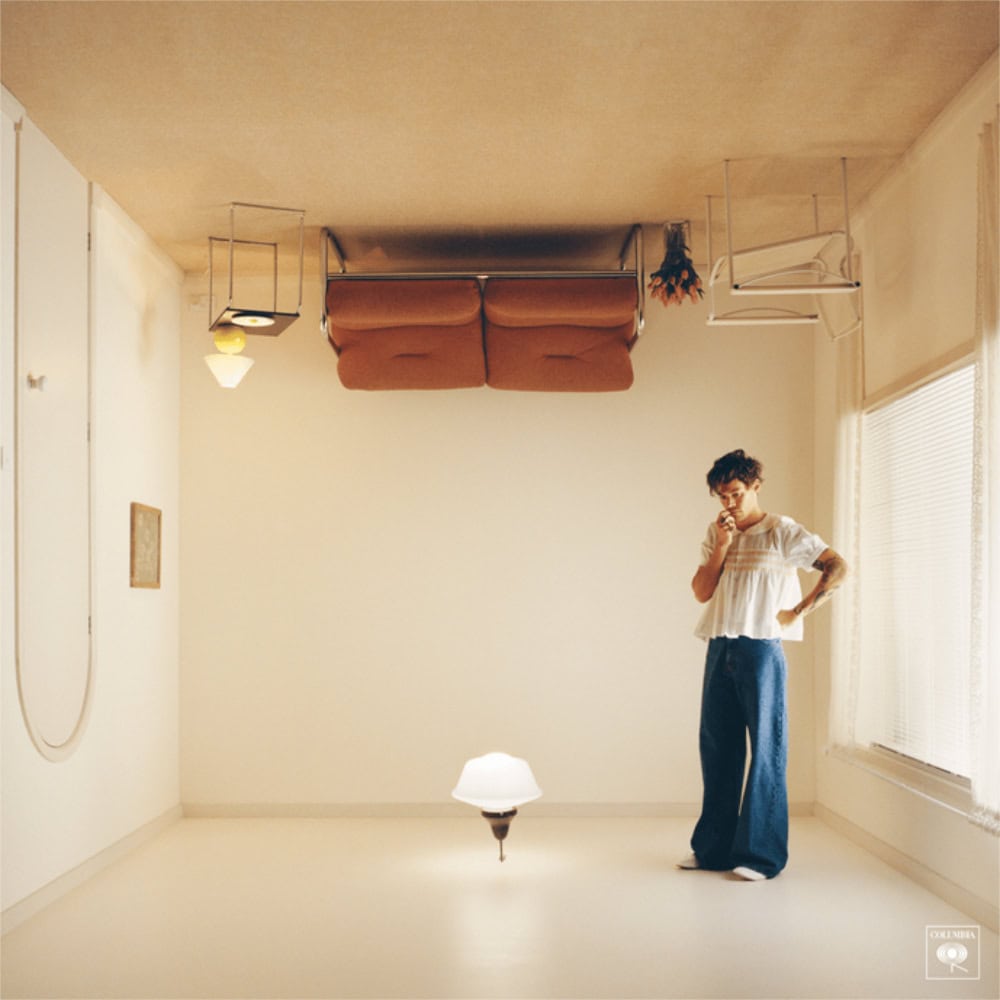
Harry Styles/Cinema, Columbia Records
You know that question that floats around sometimes — what do you secretly like but would never admit to?
I recently came across The Guardian’s “Honest Playlist”* series, and Moby answered as if he were about to confess to a crime. He basically said: I’ll say this even if my career is over after this. And then he named Céline Dion.
I understand why he would say it like that. And at the same time, I don’t.

It’s not that I don’t get the hierarchy. I do. There is “taste,” and then there is taste. There’s the refined, the curated, the culturally approved — and then there’s what gets labeled as kitsch, sentimental, too obvious, too naive, too much. The kind of thing someone else decides is beneath you.
In the years when I was first really listening to music — forming the part of yourself that has opinions — I was around two brothers. They were deeply invested, and had a particular liking for the not-so-obvious thing. In a time when Madonna, Michael Jackson, and Prince were everywhere, they lived in a different world: The Style Council, Aztec Camera, The The, Everything but the Girl, The Blue Nile, Prefab Sprout, The Colourfield. A slightly off-center world. The informed choice of someone who read Spex. The choice that signals something.
When those are your forming years, you learn quickly what is “good” and what isn’t. The grammar of taste becomes second nature.
And still — today I can openly love Céline Dion’s “Ashes,” Taylor Swift’s “Delicate,” Harry Styles’ “Cinema” or Jonas Brothers’ “Who’s in your head.” Because even then, I never quite unlearned how to enjoy what was simply… good. Well-written. Well-produced. Catchy in a way that actually works.
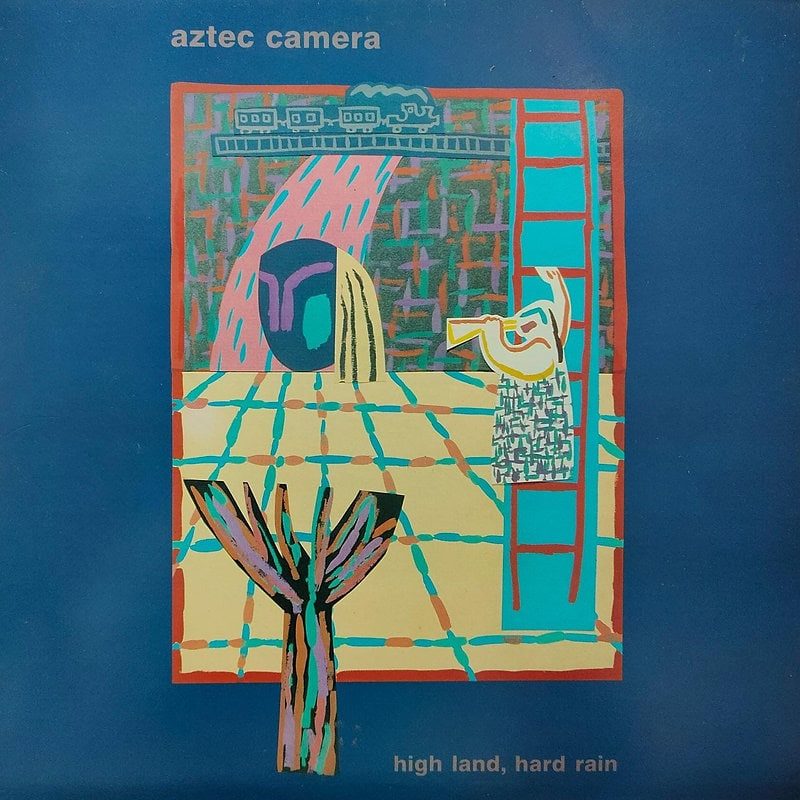
Aztec Camera/High Land, Hard Rain, Rough Trade Records
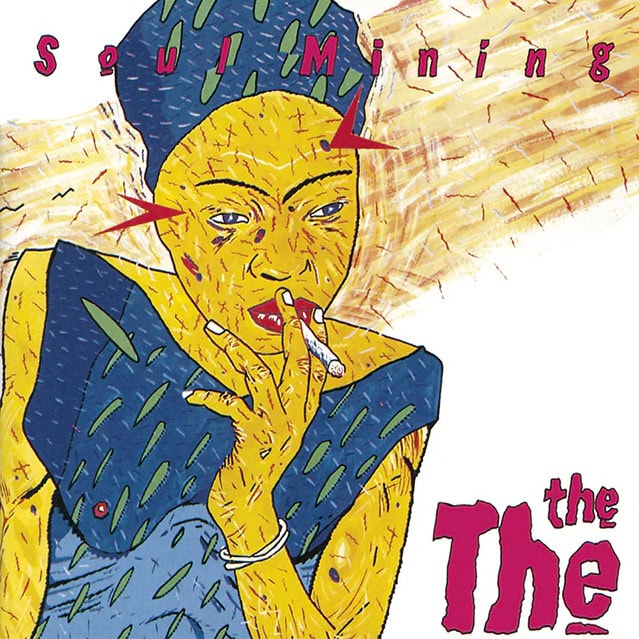
The The/Soul Mining, Some Bizzare Records/Epic Records
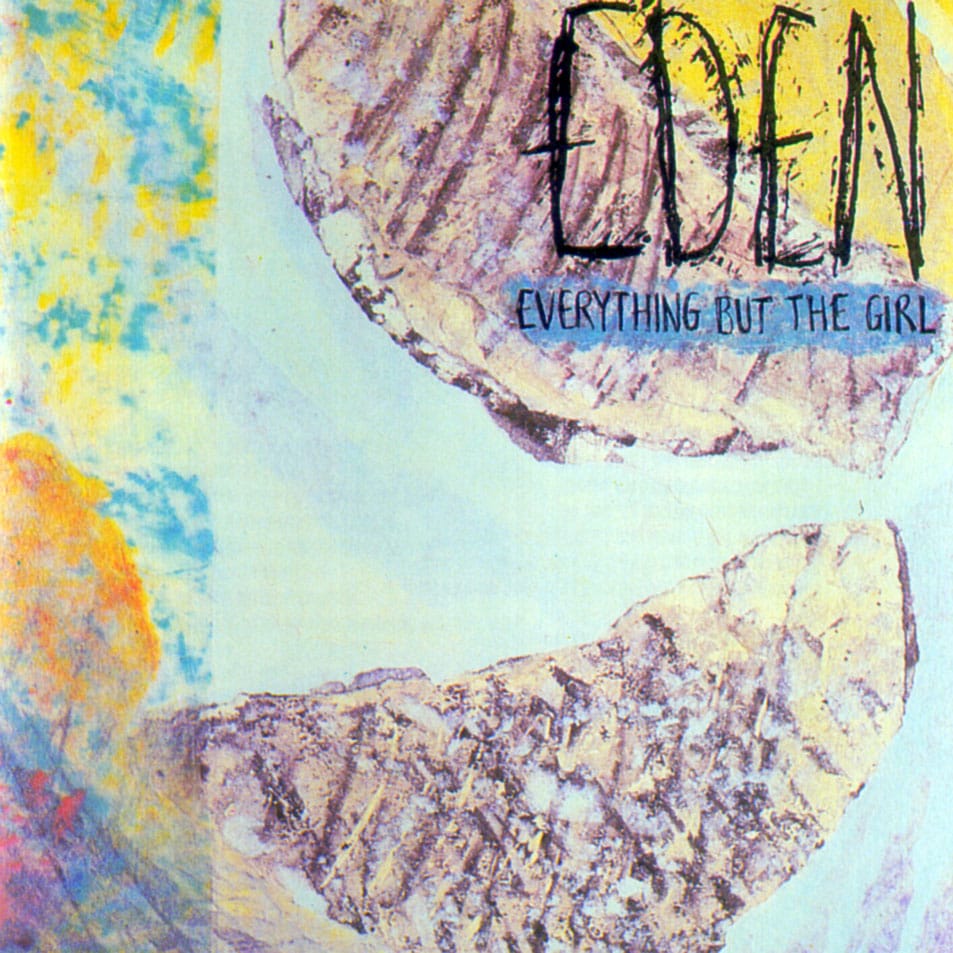
Everything But The Girl/Eden, Blanco y Negro Records
There is “taste,” and then there is taste.
I remember when “Rock Your Body” by Justin Timberlake came out. I liked it immediately — that particular kind of immediate, where your body just decides before your brain gets a vote.
An Australian guy I was briefly with thought that was embarrassing. His taste ran toward Queens of the Stone Age, Arctic Monkeys, Interpol, Bloc Party — the approved side of things, the music that didn’t require any apology.
He thought he needed to shame me by running it past his best friend. Who — same taste, same standards, same carefully maintained position — didn’t miss a beat. She’s right. That one’s good.
And that was it. No more resistance. No more embarrassment. We turned the volume up next time it came on.
Nothing about the song had changed. Only the permission did.
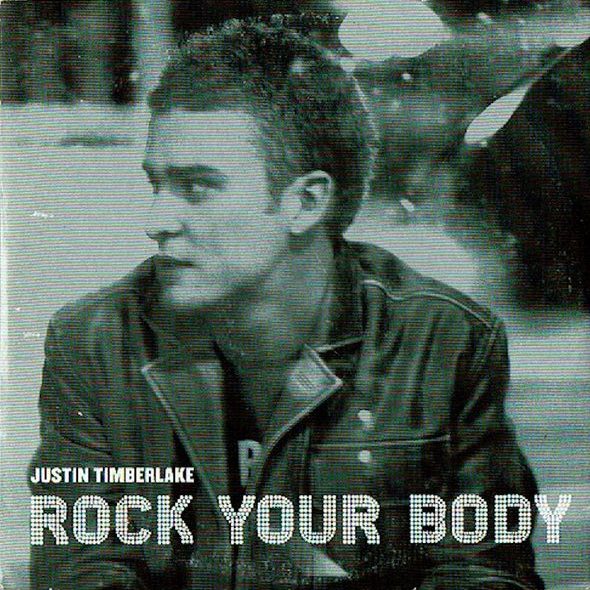
Justin Timberlake/RockYour Body, Jive Records
This split doesn’t only exist in music. It’s everywhere, once you start noticing it.
Ask someone for their favorite films, and you’ll often get two lists. The official one — and the one you keep to yourself.
The official one sounds like a film school syllabus: Tokyo Story, Citizen Kane, 2001: A Space Odyssey. Films you’ve learned to recognize as important. And they are, genuinely. I’m not dismissing them.
We call them “guilty pleasures,” as though enjoyment itself needed to be apologized for.
But then there’s the other list. The films you return to. The ones you don’t have to justify. The ones that do something — not to your intellect, but to your body. Your mood. Your longing. The ones that soothe or move or let you dream for a while, without asking anything of you in return.
Those rarely make it into the presentable version of yourself.
Because somewhere along the way, we start curating — not just what we consume, but what we allow to be seen.
We develop a public taste. A self that’s been assembled carefully, like a playlist you’d be okay with someone stumbling across. And then there’s everything else: the songs, the films, the small private pleasures that don’t pass the filter. Too simple. Too saccharine. Too mainstream. Too artless.
So we hide them. Or downgrade them. Or we call them “guilty pleasures,” as though enjoyment itself needed to be apologized for.
But what’s actually at stake here? Not taste.
Safety.
Liking the wrong thing feels like losing your place.
There is a version of us that feels safer when it’s curated. When it signals the right things. When it can’t be too easily dismissed or misread. And then there is the uncurated version — the one that just responds. No defense. No positioning. No performance. It likes what it likes, not because it’s correct, not because it’s sophisticated, not because it says something flattering about who we are. But because something in it simply moves.
Maybe that’s why Moby’s confession had to sound so dramatic. Even if my career is over after this. Because in certain circles, liking the wrong thing feels like losing your place. Like the membership gets revoked.
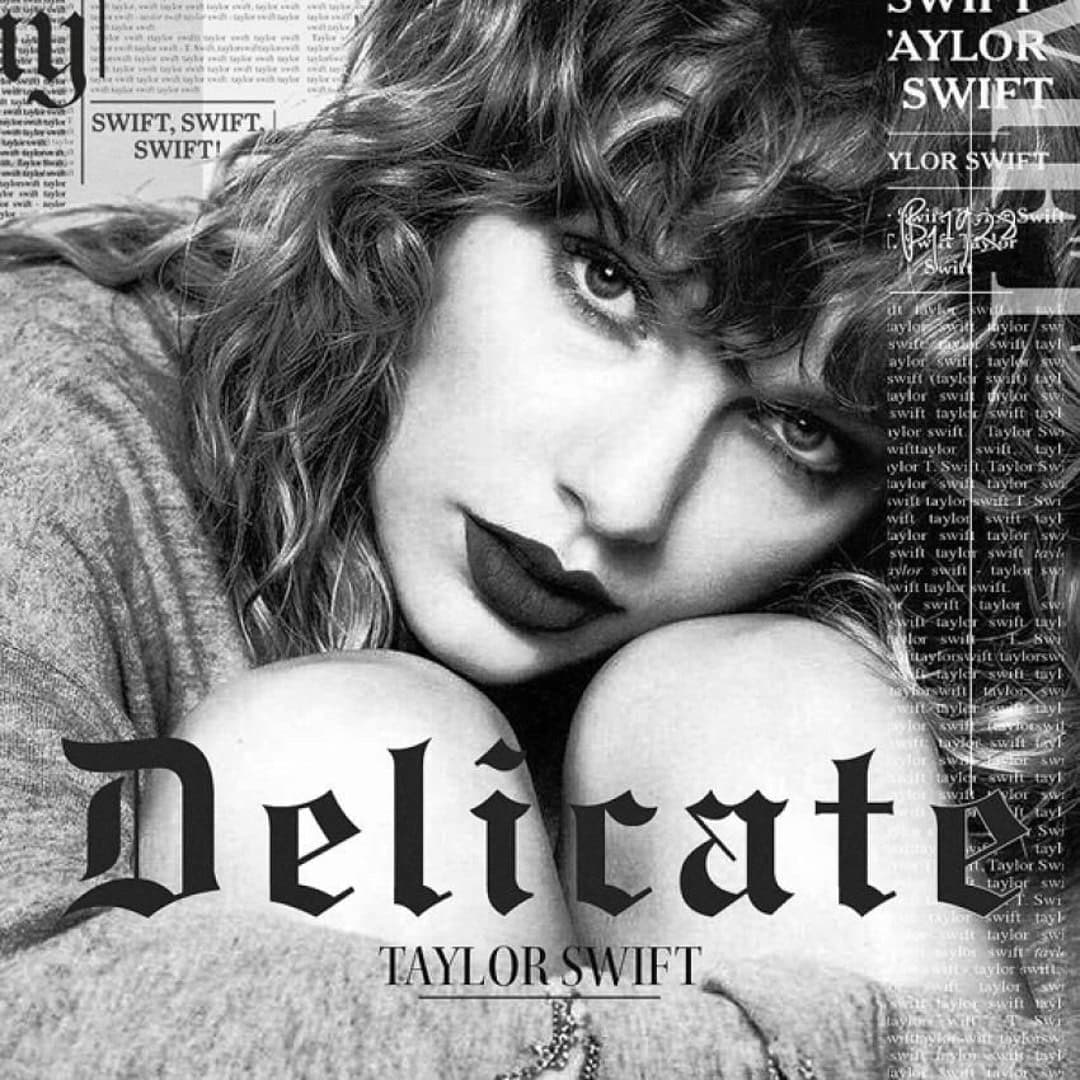
Taylor Swift/Delicate, Big Machine Records
Nothing real is actually at risk. Only the constructed version.
But here’s the thing: nothing real is actually at risk.
Only the constructed version. The image. The carefully maintained idea of who you’re supposed to be.
And maybe that’s the whole point of a question like that — the one about what you secretly love but would never admit. Not to expose your guilty pleasures. But to show you where you’ve posted a bouncer at your own door — and what you’ve been quietly turning away and leaving out in the cold.
* The Guardian calls it the Honest Playlist. Jon Batiste’s list read like a press release. Honesty, it turns out, is just another performance.
All album artwork and artist imagery are used for the purpose of commentary under Fair Use. All rights belong to the respective owners/record labels.

You may also like
Life Beyond Fairness: Finding Magic in Vulnerability and Openness
While it is human to chase the "good stuff" - love, joy, success - and to desire comfort and ease,…

It is then that you will get it
It was just another day at the office. I walked down a bright hallway on the second floor, passing…
Pause to notice the bits of magic
In the everyday rhythm of life, there's a kind of magic that often slips past us, hiding in plain…